Chicken Parmesan Pasta Casserole turns a classic into crowd-size comfort food
Chicken Parm gets a crowd-ready reset here: crisp fried chicken, rotini, and marinara bake into a potluck pan that still tastes like the original.
Why this casserole lands
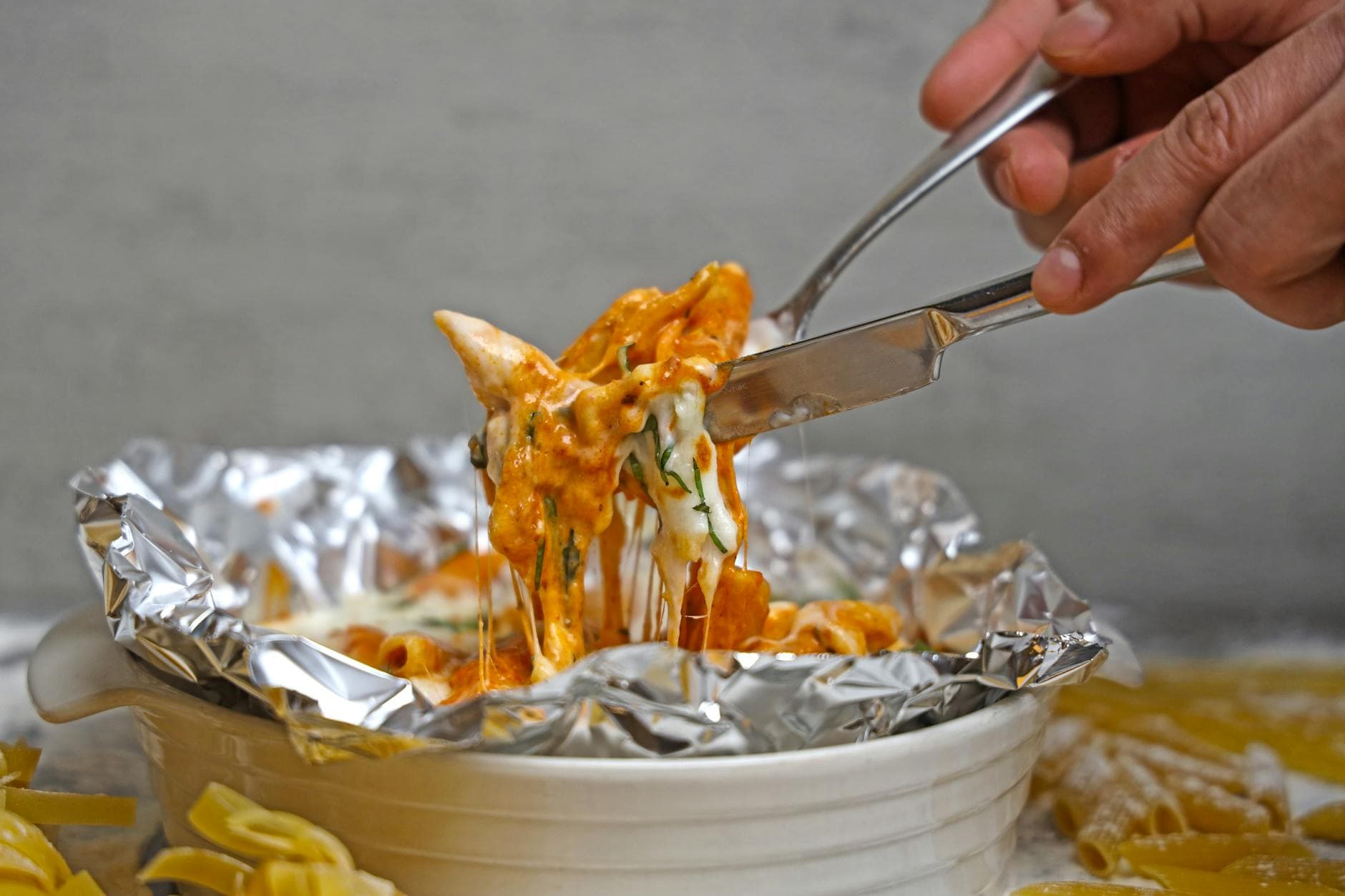
Chicken Parmesan Pasta Casserole takes the restaurant-style plated entrée and turns it into something you can actually serve to a room. The appeal is simple: instead of juggling separate cutlets and side dishes, you get a single baked pan that feeds 10 and keeps the core chicken Parm payoff intact, with crispy chicken, tomato sauce, and a heavy blanket of melted cheese.
That practicality is the whole story. RCHEISS originally made the dish for a corporate potluck lunch, where standard chicken Parmesan was too awkward to scale for about 20 people. The casserole version solves that problem cleanly, and Allrecipes has the recipe updated on May 2, 2026, with a total time of 1 hour and 55 minutes, including 20 minutes of prep, 1 hour and 30 minutes of cooking, and 5 minutes of additional time. It is more involved than a one-pot weeknight dinner, but it still sits firmly in the realm of doable home cooking.
What goes into the pan
The ingredient list tells you exactly how this casserole preserves the spirit of chicken Parm while making it easier to share. You build it with rotini, bite-size chicken breast pieces, flour, eggs, Italian seasoned bread crumbs, garlic powder, shredded mozzarella, grated Parmesan, marinara sauce, and 1/2 cup dry red wine.
Rotini is not just a filler here. It gives the sauce something to cling to and turns the dish into a true pasta casserole rather than a chicken cutlet with noodles on the side. That matters because the pasta is part of the structure, stretching the dish into a communal meal instead of a plated entrée that disappears in minutes.
The dry red wine is another smart touch. Allrecipes says it adds depth and flavor, and that extra layer keeps the sauce from tasting flat once it is baked under the cheese. In a casserole this rich, that kind of depth is what keeps the whole pan from reading as one-note tomato and mozzarella.
How the texture stays true to chicken Parm
The technique is the difference between a pasta bake that tastes like chicken Parm and one that merely borrows the name. First, the pasta is cooked until firm to the bite, about 8 minutes, so it can finish in the oven without turning soft. Then the chicken is breaded and fried at 375°F until crisp and fully cooked, reaching an internal temperature of at least 165°F before it ever hits the baking dish.
That sequence matters. The chicken is not folded into the casserole as a soggy shortcut, and the breading does not vanish into the sauce. Instead, it becomes a topping and textural element, which is exactly what you want if you care about the contrast that makes chicken Parm satisfying in the first place. The final bake simply brings everything together until the casserole is hot and the cheese has melted into those familiar gooey strands.
The make-ahead logic is the real win
This is where the casserole format earns its keep. A plated chicken Parmesan dinner asks you to fry, sauce, and serve in real time. This version lets you build in stages, bake in one pan, and serve a crowd without losing your mind at the stove. That is why recipe sites keep framing chicken Parmesan casserole as a family dinner and potluck answer, not just a novelty.
There is also a practical compromise in the hands-on method. The recipe is not a shortcut version built around pre-cooked or rotisserie chicken, which means it holds onto a more classic chicken Parm texture. You do more work up front, but you get the payoff of crisp breading and freshly fried chicken instead of a casserole that tastes assembled from leftovers.
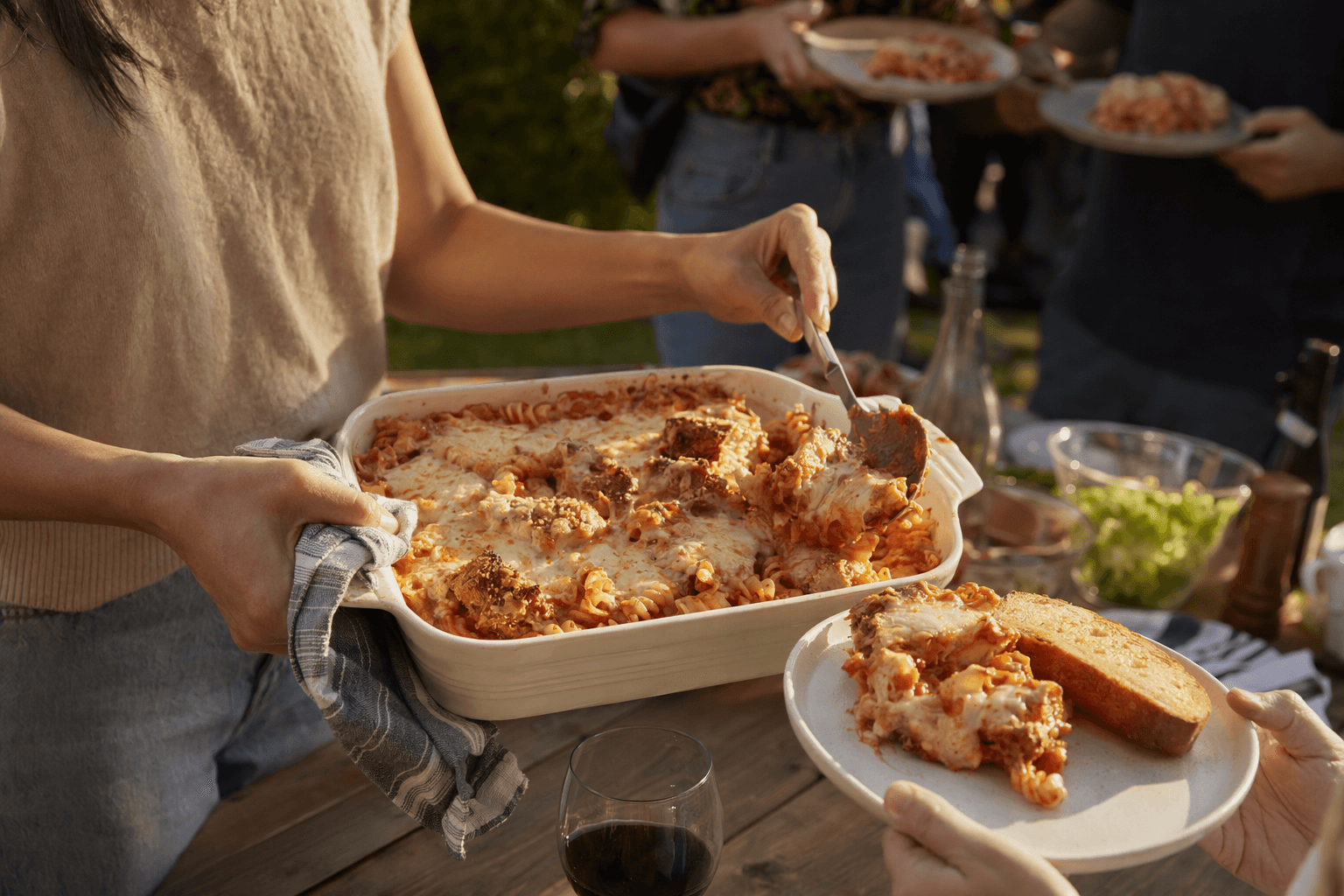
If you are planning it for a gathering, the sequence is your friend: 1. Cook the pasta until firm. 2. Bread and fry the chicken until crisp and safely cooked through. 3. Layer marinara, pasta, chicken, and cheese. 4. Bake until everything is hot and the top is melted.
That approach keeps the dish organized and gives you enough control to avoid the two biggest casserole sins: mushy pasta and limp breading.
Why the flavor still reads as chicken Parm
The best version of this dish does not apologize for being a casserole. It leans into the gooey cheese, the crisp chicken, and the saucy pasta all at once. Allrecipes member jessjoy summed up that appeal neatly, calling it “all the flavors of traditional chicken parm in one easy dish.” That is exactly the promise here, and it is the reason people come back to it.
You still get the recognizable chicken Parm markers: breadcrumb crust, marinara, mozzarella, Parmesan, and that salty-savory hit from the chicken. What changes is the delivery system. The pasta turns the whole thing into a more generous, more shareable bake, and the cheese layers help it hold together as comfort food with enough polish for a potluck table.
Where this dish sits in the chicken Parm story
Chicken Parmesan itself is already an American adaptation. Wikipedia notes that it emerged in the United States from the Italian diaspora in the early 20th century, then became a popular staple in restaurants serving Italian-American cuisine by the 1950s. Wikipedia also points to a chicken parmesan recipe in the New York Herald Tribune in 1953 and in The New York Times in 1962, which shows how quickly it moved from immigrant-rooted comfort food into the broader American repertoire.
That history makes the casserole version feel less like a gimmick and more like the next logical step. The original dish was already transformed once as it traveled and settled into American restaurant culture. Turning it into a pasta casserole is another home-cooking adaptation, aimed squarely at feeding more people with less fuss while preserving the dish’s recognizable identity.
Why it matters for pasta cooks
For pasta cooks, this is the kind of recipe that proves pasta can do more than carry sauce. Here, it becomes the framework for the meal, the thing that expands a classic into a pan that feeds 10 and works for a crowd. The result is family food that still has enough crunch, cheese, and tomato richness to feel like chicken Parm, which is why the casserole format makes so much sense.
The recipe does ask more of you than some baked pasta dishes, but it gives something back that matters even more: a sturdy, make-ahead, crowd-size version of a dish people already love. In a world of shortcut casseroles, this one keeps the texture, keeps the flavor, and still makes hosting easier.
This article was produced by Prism’s automated news system from verified source data, official records, and press releases, then run through automated quality and moderation checks before publishing. The system is built and supervised by the people who set the standards it runs under. Read our full AI policy.
Did this article answer your question?