Chilled pasta boosts resistant starch, curbs blood sugar spikes after reheating
Cool your pasta for 24 hours and some of its starch turns resistant, which can blunt blood sugar spikes even after reheating.
What leftover pasta is actually doing
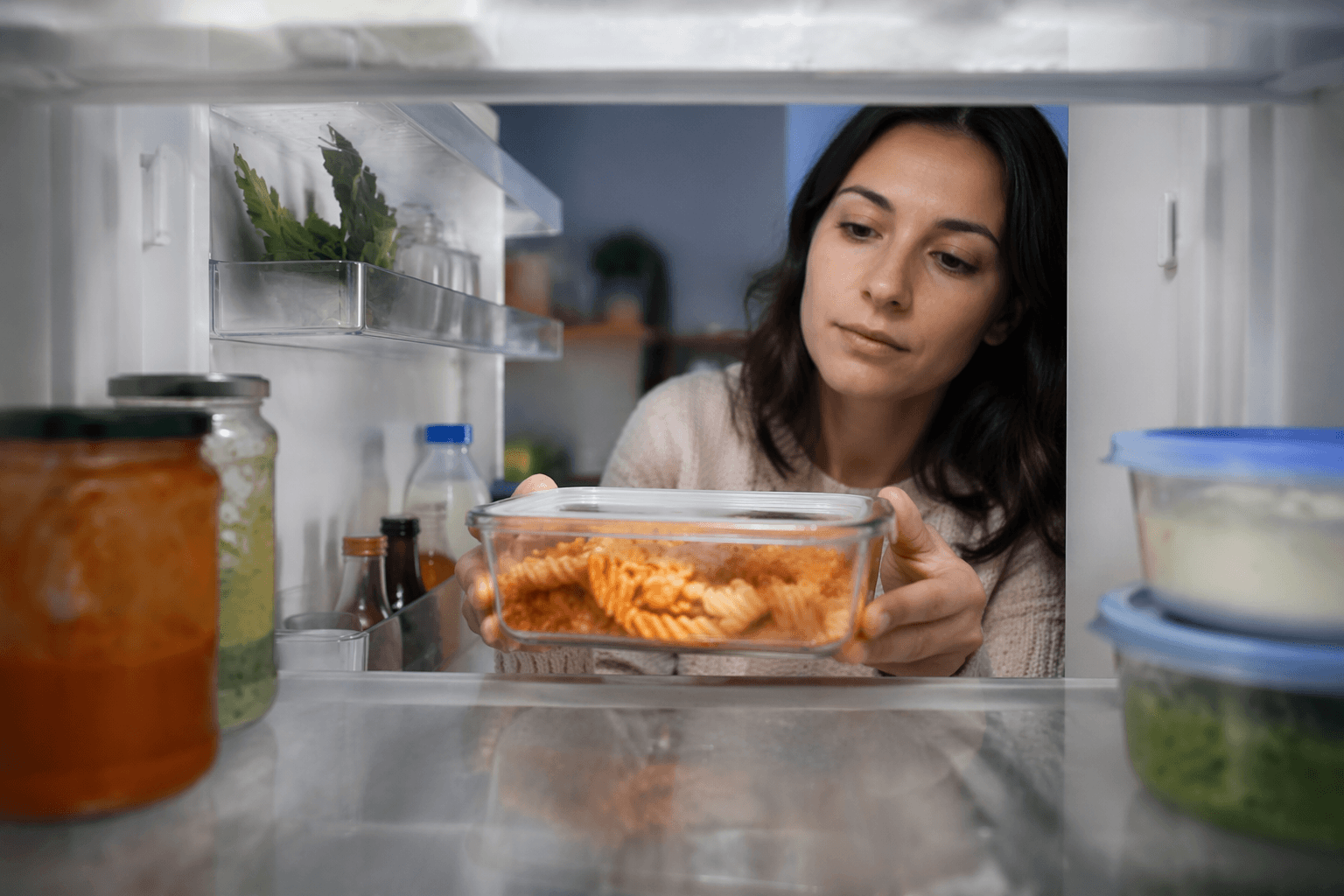
Leftover pasta is not just a second meal. Once cooked pasta sits in the fridge for about 24 hours, part of its starch structure changes through retrogradation, shifting some of the digestible starch into resistant starch. That is the chemistry behind the viral kitchen claim, and it is why chilled pasta can behave differently from a fresh bowl even after you warm it back up.
That matters because resistant starch is digested more slowly, so the body gets a smaller glucose hit after the meal. It also helps explain why some nutrition researchers now treat leftover pasta as more than a convenience food. In the right context, it can be a genuinely smarter carb.
What the studies actually show
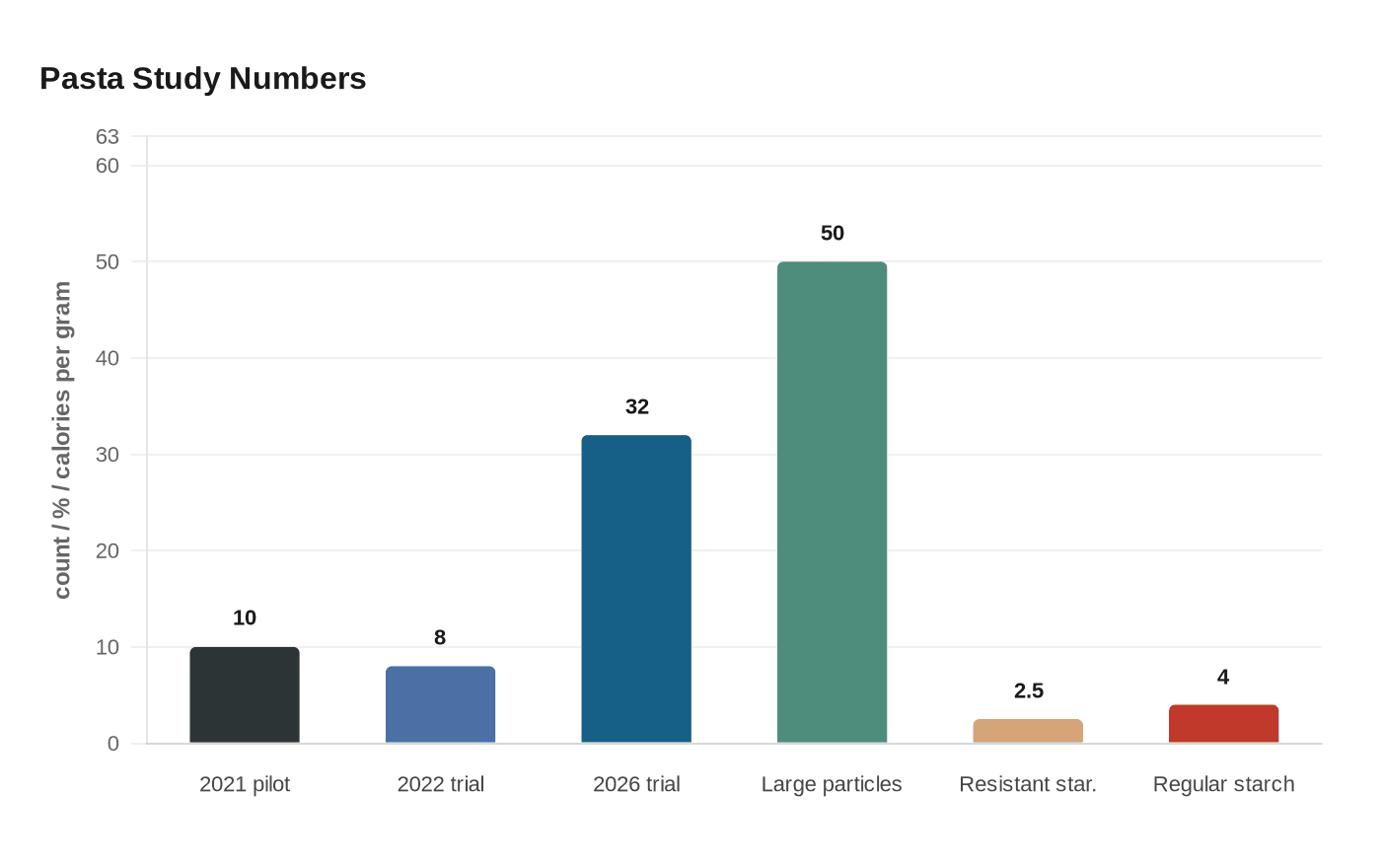
The clearest early signal came from a 2021 pilot study in the European Journal of Clinical Nutrition. Ten healthy volunteers ate identical pasta meals, and the chilled-then-reheated version produced a significantly lower glucose incremental area under the curve than freshly prepared pasta. In plain terms, the blood sugar rise after the meal was smaller when the pasta had been cooled first.
A 2022 randomized crossover trial in eight healthy young men added another layer. Chilled and reheated pasta increased satiety and reduced desire to eat, even though it did not significantly change postprandial glycemic or insulinemic responses. That is an important reminder that leftover pasta is not magic, but it may help some people feel fuller for longer.
Food science backed up the mechanism in 2020. A study in Food & Function found that 24-hour cold storage followed by microwave reheating reduced starch digestibility in fresh pasta. The same treatment did not have a significant effect in dry pasta, which is a useful distinction for real kitchens. The study also found that particle size mattered even more than storage, with large pasta particles at least 50 percent less digestible than small ones.
The most direct diabetes-focused evidence came in 2026. A randomized single-blind crossover study in 32 adults with type 1 diabetes found that pasta cooled for 24 hours at 4°C and then reheated increased resistant starch content and produced lower maximum glycemia, lower glycemic rise, lower iAUC, and a shorter time-to-peak than freshly cooked pasta when insulin was dosed by pump bolus calculator. That is the strongest sign yet that the cooling trick can have practical consequences for people tracking glucose closely.
Why cooling changes the pasta
The short version is that cooking opens up starch, but cooling lets part of it reorganize. As pasta sits in the fridge, starch chains realign into a form that digestive enzymes handle less efficiently. That is retrogradation, and it is what creates resistant starch.
Ohio State Health & Discovery notes that refrigerated pasta has more resistant starch and fewer calories, and that reheating does not fully reverse the effect. It also gives the energy comparison that makes the idea easy to grasp: resistant starch averages about 2.5 calories per gram, versus 4 calories per gram for regular starch. The same source notes that refrigerating pasta for at least 24 hours is generally recommended, and that some resistant starch remains even after reheating.
Who gets the biggest payoff
This is most relevant if you care about post-meal blood sugar, whether because you are living with diabetes, watching glucose for metabolic reasons, or just trying to avoid the sleepy spike-and-crash that can follow a big carb-heavy dinner. The 2026 type 1 diabetes trial is the strongest proof that the effect can matter in a medically meaningful way when the timing and reheating are done right.
It may also matter if fullness is your main issue. The 2022 study suggests chilled-and-reheated pasta can increase satiety and cut down the urge to keep eating, even when the blood sugar results are not dramatically different. That makes leftover pasta a small but real tool for appetite management, not just glucose control.
The effect is less convincing if you are starting with dry pasta and expecting refrigeration to transform it. The 2020 study found no significant digestibility shift in dry pasta under the same cold-storage and microwave-reheating treatment. In other words, the leftover advantage is real, but it is not universal across every noodle, shape, and cooking style.
How to make it work in a real kitchen
If you want the benefit, the simplest approach is also the most tested:
- Cook the pasta as usual.
- Chill it for about 24 hours.
- Keep it at 4°C in the fridge.
- Reheat it before eating, including by microwave if that is how you usually do it.
That combination is the one that repeatedly shows up in the studies. The cooling window matters, and the reheating step does not erase the gain. For meal prep, that is encouraging news, because it means the dish can still be hot at dinner and still keep much of the resistant-starch shift that happened in the fridge.
The particle-size finding adds one more practical clue. Larger, more intact pasta pieces appear less digestible than smaller ones, so dishes built around bigger shapes or less broken-up noodles are the likeliest to benefit. That does not mean you need to redesign your pantry, only that the structure of the pasta itself seems to matter almost as much as the overnight chill.
The bottom line for leftover pasta
Yes, leftover pasta can become measurably different after a night in the fridge. Cooling it for about 24 hours helps form resistant starch, and reheating does not fully undo that change. The result can be a smaller blood sugar rise, better fullness, and a modest calorie shift that makes leftover pasta more interesting than the average reheated carb.
So the next time a bowl of pasta gets boxed up instead of finished, it is not just tomorrow’s lunch. It is pasta that has had time to change its chemistry, and in the right conditions, that change is enough to make a real difference.
This article was produced by Prism’s automated news system from verified source data, official records, and press releases, then run through automated quality and moderation checks before publishing. The system is built and supervised by the people who set the standards it runs under. Read our full AI policy.
Did this article answer your question?