FDA Issues Class I Pasta Recall Warning Over Serious Health Risks
Utah's Perfect Pasta Inc. got a Class I recall upgrade for its Lobster & Crab Ravioli, which hid six undeclared allergens, including two finfish species, that can cause death.
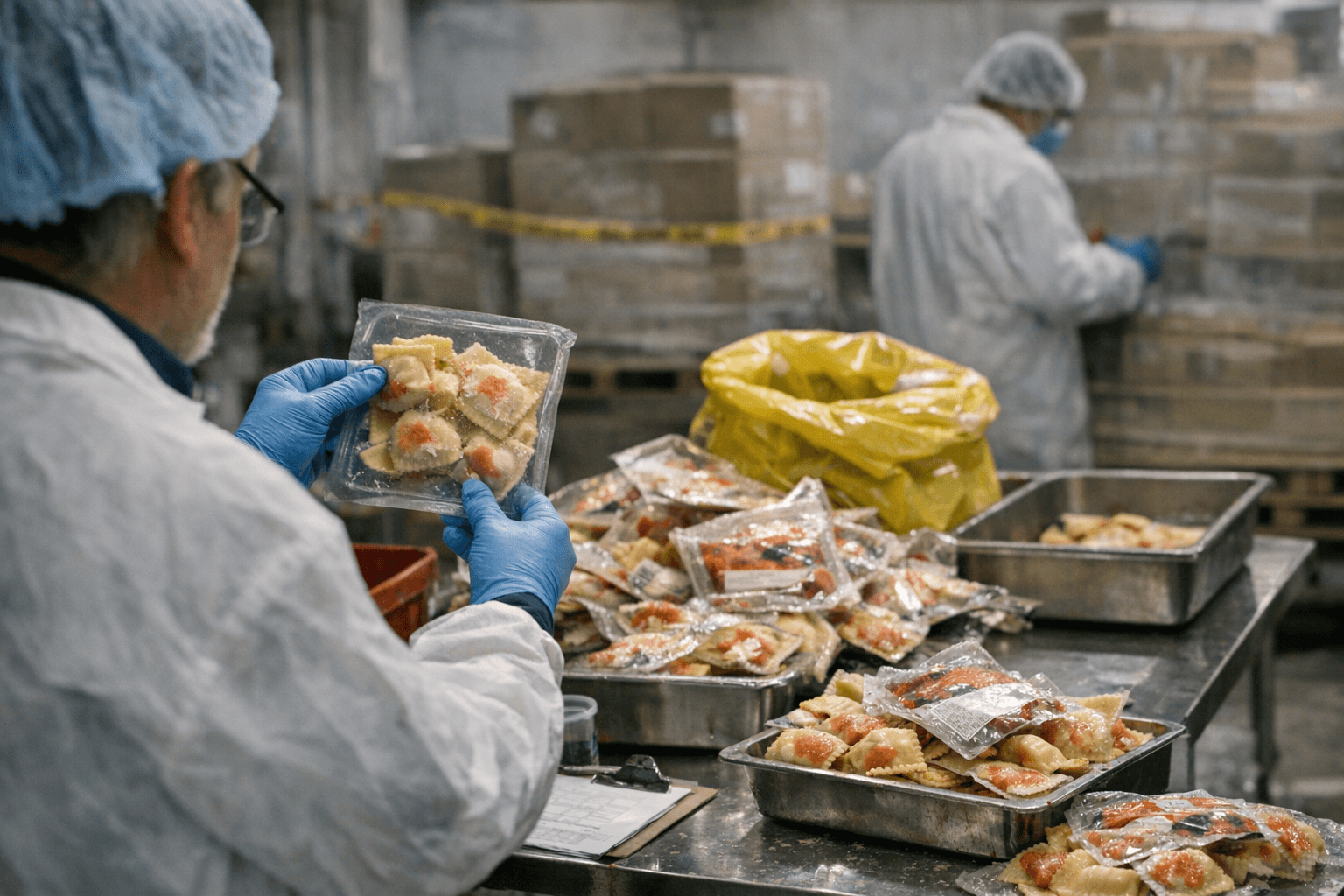
A frozen ravioli from a Utah manufacturer now carries the FDA's most severe warning after it spent six weeks on the market without a public recall announcement, and consumers in the state may still have it in their freezers. Perfect Pasta, Inc.'s Lobster & Crab Ravioli received a Class I designation on March 24, 2026, the highest tier on the FDA's three-level scale, meaning the agency has determined the product can cause serious adverse health consequences or death.
The voluntary recall was first initiated on February 8, 2026, but no press release accompanied it at the time. The upgraded Class I classification is likely the first notice many buyers have received. The affected product was manufactured on a single date, January 19, 2026, and distributed exclusively to consignees in Utah. Forty-two cases, each holding 10-pound containers, were included, totaling up to 420 pounds of the frozen ravioli.
The label on the product declared wheat, eggs, milk, and crustacean shellfish as allergens, but the FDA's enforcement report identifies six ingredients the label failed to disclose: shrimp, crab, lobster, pollock, whiting, and soy. The critical distinction for allergy sufferers is that pollock and whiting are finfish, a separate allergic risk from shellfish. A person managing a fish allergy but not a shellfish allergy, or managing a soy allergy, would have received no warning from the packaging. All six undisclosed ingredients are classified among the major food allergens the FDA requires to be declared.
If you purchased Lobster & Crab Ravioli from Perfect Pasta, Inc., with a manufacture date of January 19, 2026, in Utah, do not consume it. The FDA advises discarding recalled products and washing all surfaces, cooking equipment, plates, and utensils that may have come into contact with the food.
Pantry-safety note, dried versus fresh pasta: The risk profiles of these two staples differ significantly and are worth understanding together, particularly after a year in which pasta recalls affected both categories. Dried pasta is shelf-stable, low in moisture, and offers minimal opportunity for bacterial growth, but it carries the same undeclared allergen exposure as any other packaged food. If a dried pasta product is recalled for allergens, the shelf life is irrelevant; discard the product and check the specific lot code listed in the recall against your box before assuming you are clear.
Fresh and refrigerated pasta are a different concern. Listeria monocytogenes, the bacterium linked to the 2025 prepared pasta outbreak that resulted in six deaths and 27 confirmed illnesses across 18 states, can survive and continue growing in refrigerator temperatures. If a fresh pasta product is recalled, particularly for Listeria, discard it immediately and clean every refrigerator shelf, door gasket, and storage container that may have touched the product using hot soapy water. Colanders, cutting boards, and serving dishes should be washed just as thoroughly. With either category, dried or fresh, match the lot code and manufacture date on your package precisely to the recall notice before deciding you are in the clear, because recalls are batch-specific and a neighboring production date may carry no risk at all.
This article was produced by Prism’s automated news system from verified source data, official records, and press releases, then run through automated quality and moderation checks before publishing. The system is built and supervised by the people who set the standards it runs under. Read our full AI policy.
Did this article answer your question?