Giada De Laurentiis shares keys to restaurant-style pasta at home
Giada De Laurentiis says better pasta starts with smaller portions, aggressively salted water, and a splash of pasta water. Those three habits do most of the work.
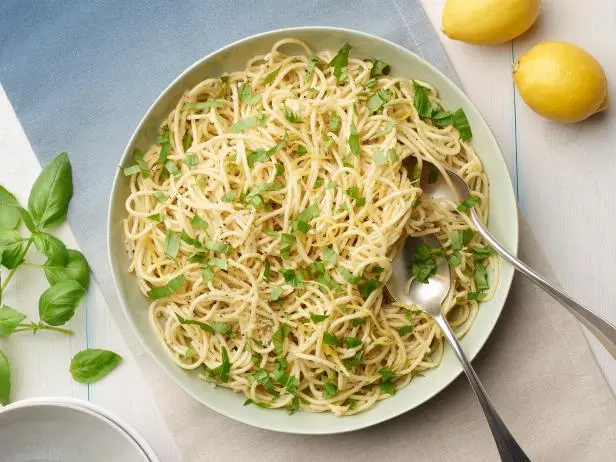
Restaurant-style pasta at home usually comes down to restraint, not reinvention. Giada De Laurentiis’s advice cuts straight to the habits that change everything: portion the pasta properly, salt the water hard, and finish with pasta water so the sauce clings the way it does in a good trattoria. None of that requires pricey ingredients or advanced technique, just a little more attention to the basics.
Portioning sets the tone before the first bite
The biggest mistake many home cooks make is treating pasta like the whole meal instead of one part of it. In Italy, pasta is often served as a primo, or first course, which means the plate is meant to open the meal rather than dominate it. That shift changes everything about how the dish feels, because a smaller portion leaves room for balance, sauce, and whatever comes next.
TODAY’s portion guide reinforces that point, noting that a pound of dried pasta can serve about four to six people depending on the context. Giada leans toward the generous end of that range when the pasta is part of a larger spread, saying a pound can comfortably feed six if the meal also includes roasted chicken, steak, or vegetables. The result is a plate that feels intentional instead of overloaded, and a smaller mound of pasta is easier to season evenly and sauce properly.
That approach also matches the way pasta is eaten across Italy, including in places like Rome, where the starch-heavy course is usually one part of a broader meal. When the portion is right-sized, the pasta can do what it is supposed to do: complement the table rather than compete with it.
Salt the water with confidence
Once the portion is set, the next move is seasoning the water aggressively. Giada has long stressed that pasta water should be generously salted, and Food Network recipes under her name repeat that instruction clearly. If the water tastes bland, the noodles will too, no matter how good the sauce is.
This is one of those details that sounds tiny but pays off immediately. Salt in the cooking water seasons the pasta from the inside out, so each bite carries flavor before the sauce even comes into play. It is the simplest way to avoid the flat, underseasoned taste that makes homemade pasta feel less complete than the version you get in a restaurant.
Italian kitchen habits back that up as well. Many cooks avoid rinsing pasta after cooking because the starch left on the noodles helps the sauce cling, which is exactly what you want when the goal is a silky, cohesive dish. The point is not to drown the pasta in extras, but to let the noodles and sauce work together.
Finish early, then let the sauce do the rest
Giada’s timing advice is just as practical as her salting advice. In one of her recipes, the pasta is cooked two minutes less than the package directions say, then finished in the sauce with pasta water. Another Food Network recipe gives the same direction: cook the pasta in boiling salted water, pull it early, and let it finish where the sauce is waiting.
That small adjustment is what gets you to restaurant-style al dente texture. The pasta stays firm enough to hold its shape, then relaxes just enough as it finishes in the sauce. Instead of overcooking while you wait for the sauce to catch up, the noodles and sauce finish together, which gives the whole dish a cleaner texture and better control.
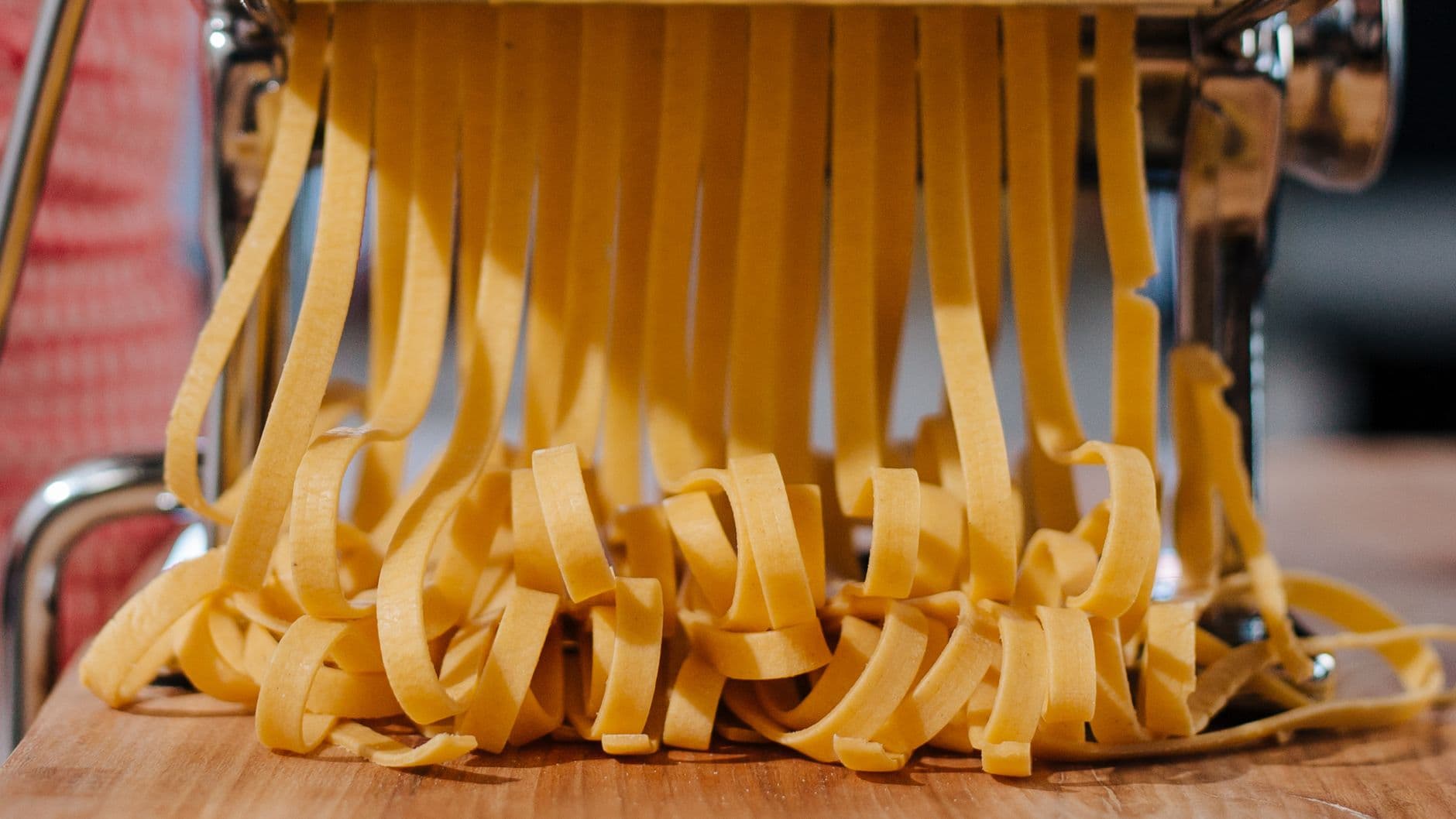
The pasta water matters here because it is not just hot liquid, it is a built-in emulsifier. The starch helps sauces thicken slightly and turn silky, which is especially useful in creamy dishes where you want body without adding too much butter, cream, or cheese. A ladle or two can turn a loose sauce into something that coats the pasta evenly instead of pooling at the bottom of the bowl.
Why Giada’s advice keeps landing
Giada De Laurentiis has been associated with pasta for years, through Everyday Italian, her pasta-focused cookbook Everyday Pasta, and her Giadzy brand. That long-running connection makes her technique advice feel especially grounded, because she has built an entire public identity around making Italian cooking accessible without stripping away what makes it work. Her message is consistent: pasta is about restraint, seasoning, and timing, not culinary fireworks.
That is also why the advice resonates with home cooks who want better results without changing their whole routine. You do not need a different pantry or a fancier skillet. You need the right portion, water that tastes seasoned before the pasta ever goes in, and the instinct to stop cooking a little early so the sauce can finish the job.
That is the real appeal of this style of pasta cooking. The difference between mediocre and restaurant-style is often hiding in plain sight, in the amount on the plate, the salt in the pot, and the starch in the water. Once those three habits click, the sauce tastes fuller, the noodles feel more polished, and the whole bowl finally eats like the kind of pasta Giada has spent years championing.
This article was produced by Prism’s automated news system from verified source data, official records, and press releases, then run through automated quality and moderation checks before publishing. The system is built and supervised by the people who set the standards it runs under. Read our full AI policy.
Did this article answer your question?