Home cooking collective guide breaks down homemade pasta techniques and shapes
Fresh pasta gets less mysterious when you focus on dough, shape, and sauce pairing. Home Cooking Collective’s updated guide turns failed attempts into a clearer path forward.
Why this guide lands for anyone who has struggled with pasta before
Home Cooking Collective’s homemade pasta guide, updated on Apr. 13, 2026, does something more useful than hand you a single recipe. It breaks the subject into the pieces that actually decide whether fresh pasta works: doughs, shapes, techniques, and pairings. That structure matters because homemade pasta is rarely one skill problem. Most of the time, the miss comes from a tangle of small choices, from hydration to kneading to whether the dough should be rolled, cut, shaped, or filled.
That is what makes this guide worth attention for cooks who have already had a few uneven batches. Home Cooking Collective says its cooking guides are designed to teach you how to cook so you can walk away confident enough to create a delicious meal on your own. This one follows that same philosophy, treating pasta as a craft you learn by understanding how the pieces fit together, not as a single trick to memorize.
Start with dough, because texture sets the tone
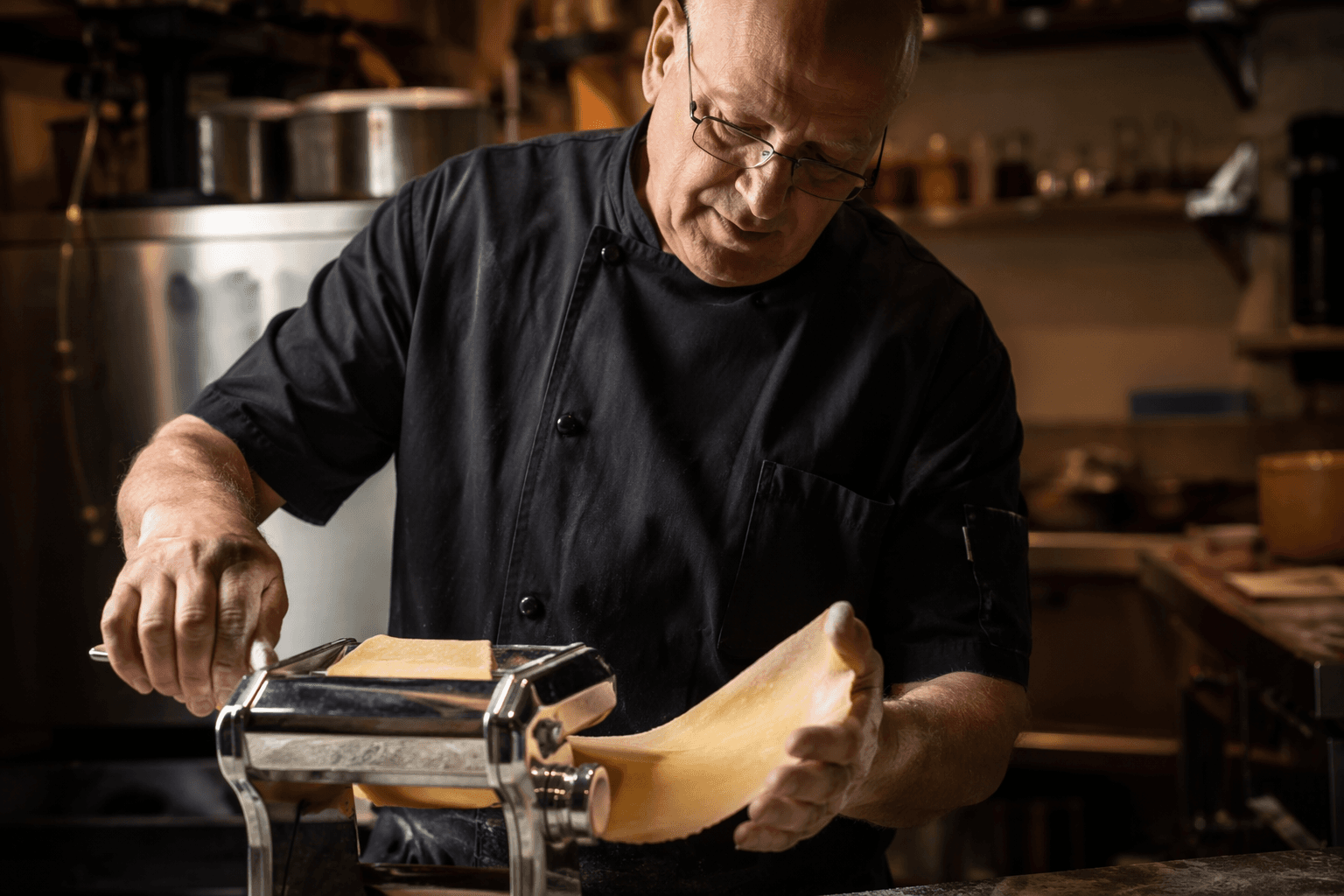
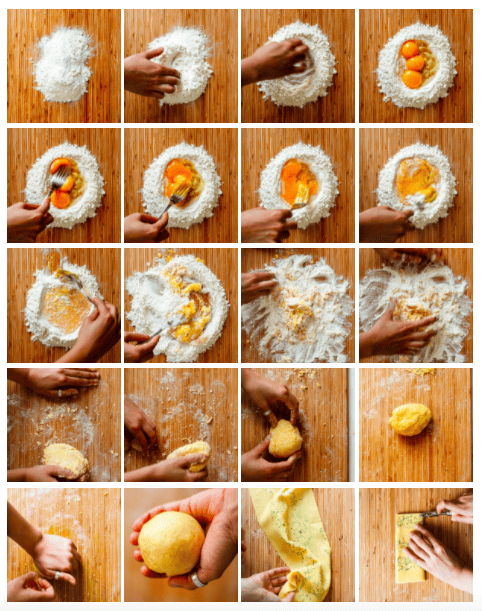
The biggest lesson running through the guide is that dough texture changes everything. Once hydration, kneading, and resting are working together, the process stops feeling like guesswork and starts feeling repeatable. That is the difference between a dough that tears, sticks, or resists shaping and one that can actually carry you through a full fresh-pasta session.
The guide is especially helpful because it does not force every cook into one path. Fresh pasta can feel overwhelming when you are trying to decide between different dough styles, but this format gives you room to choose based on the shape you want to make. Home Cooking Collective also maintains separate pasta guides for KitchenAid-made fresh egg pasta, semolina pasta dough, pappardelle, and orecchiette, which reinforces the point that the dough is not an afterthought. It is the starting point.
Shape is not decoration, it is the job description
Britannica describes pasta as ribbons, cords, tubes, and special shapes that were originally developed for specific functions, including retaining heat or holding sauces. That is the key to understanding why the Home Cooking Collective guide spends time on format instead of assuming one dough fits all. Shape changes how the pasta cooks, how it catches sauce, and how it feels on the plate.
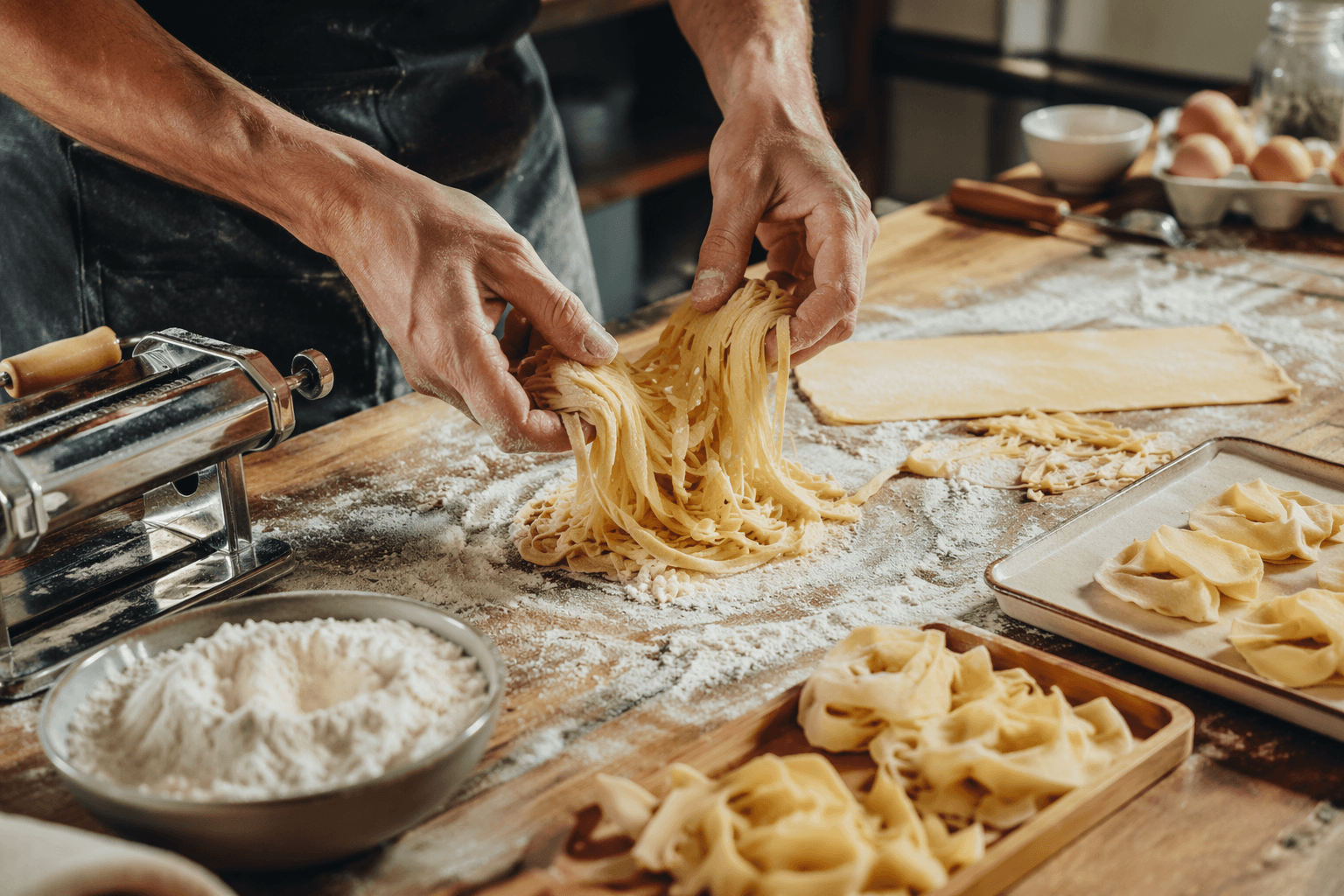
Italia.it says there are more than 300 pasta formats, which gives a sense of how much variety sits inside the category. The point is not to collect shapes for their own sake. The point is to understand that a tube, a ribbon, and a hand-formed shape behave differently once they hit water and sauce. If you know that, you stop treating pasta like a blank canvas and start matching the format to the meal you want.
A few classic shapes give you a practical way in
The guide’s real value is that it offers a usable starting menu rather than a single route. Fettuccine, cavatelli, and gnocchi all appear as classic formats that help you think about what kind of pasta project you are actually ready for. That matters because a hand-rolled shape and a cut ribbon demand different muscle memory, and a filled or shaped pasta asks for a different level of precision.
Home Cooking Collective’s semolina dough guide helps make that distinction even clearer. It says semolina dough is used for hand-rolled shapes such as cavatelli, orecchiette, and gnocchetti sardi. Once you see those connections, it becomes easier to choose a dough that supports the shape instead of fighting it. That is the kind of practical knowledge that shortens the learning curve fast.
Sauce pairing is where the technique pays off
The guide is also strong on pairings, which is where homemade pasta starts feeling like a meal instead of a kitchen project. Different shapes do better with different sauces, and the whole point of understanding form is that you stop guessing. A pasta that holds onto sauce, traps bits of meat, or catches oil in ridges will behave differently from one that is meant to stay light and silky.
Britannica’s rigatoni entry is a clean example: the ridges help retain heavy sauces such as ragù Bolognese. MasterClass gives cavatelli a similarly practical treatment, linking the shape to arugula and tomatoes in Puglia, nduja in Calabria, and ricotta salata with eggplant in Sicily. That is the kind of detail that turns pasta from a generic dish into something regional and intentional, with each shape doing a specific job.
The regional logic is part of the story
Britannica notes that Italian cuisine is deeply regional, with the north often emphasizing rice and butter and the south emphasizing pasta and olive oil. That regional split helps explain why pasta developed so many local forms and why a guide like this is more than a recipe roundup. It is teaching a system that grew from place, habit, and function.
Seen through that lens, the Home Cooking Collective guide fits the history of the food itself. It is not asking you to master every shape at once. It is helping you understand why one method works for one shape and falls apart for another. That is how you move from trying to copy a finished plate to actually controlling the result.
Why this matters for a home-cooking routine
Pasta stays relevant because it is already a staple, and the numbers are hard to ignore. A National Pasta Association-linked fact sheet says the United States produces 4.4 billion pounds of pasta annually and consumes 5.95 billion pounds a year, at an average retail price of about $1.45 per pound. Mintel estimates the U.S. pasta and noodles market at $7.46 billion in 2025. In other words, pasta is not a niche obsession. It is everyday food with room for skill-building.
That is why a technique-first guide resonates. You do not need to treat fresh pasta as a special occasion project that works once and disappears from your life. With the right attention to dough texture, shape choice, and sauce matching, it becomes a repeatable skill. That is the real promise of this guide, and it is the reason a frustrating first attempt can still lead somewhere better the next time you roll out the dough.
This article was produced by Prism’s automated news system from verified source data, official records, and press releases, then run through automated quality and moderation checks before publishing. The system is built and supervised by the people who set the standards it runs under. Read our full AI policy.
Did this article answer your question?