Italy’s pasta chain runs on imported wheat from the US and Canada
Italy’s famous pasta often starts with U.S. and Canadian wheat, then gets milled and made in Italy, where that imported grain still powers a 4 billion-euro export machine.
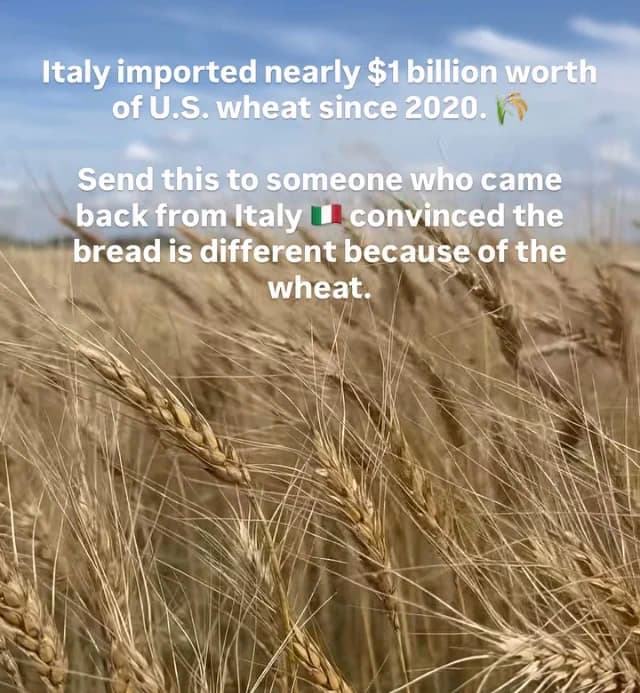
Italy’s pasta story starts farther from the shelf than most shoppers expect. A lot of the durum wheat behind an “Italian” box begins in the United States and Canada, then moves through Italian mills and pasta plants before it leaves the country again as a finished export.
The grain on the inside
That imported-grain reality is not a footnote, it is the backbone of the business. USDA Foreign Agricultural Service reporting said Italy has long been one of the world’s most important wheat importing countries, and by 2001/02 it had reached the top position. A 2007 USDA GAIN report went further and called Italy the world’s largest importer of durum wheat, the hard wheat used for pasta production.
That matters because Italy is not running a cottage industry. USDA Foreign Agricultural Service data from April 4, 2025, put the country’s food processing sector at more than 55,000 enterprises and $156.5 billion in gross value added. In other words, when wheat supply moves, it is moving through a major industrial base, not a handful of artisanal workshops.
How Italian turns into Italian
This is where the label and the raw material split apart. The wheat can be North American, but the cleaning, blending, milling, drying, shaping, and packing happen in Italy, and that processing is what lets the finished product carry an unmistakably Italian identity in the marketplace. The consumer sees a national brand, a regional pasta shape, or a heritage label; the supply chain sees cargoes, grain specifications, and plant efficiency.
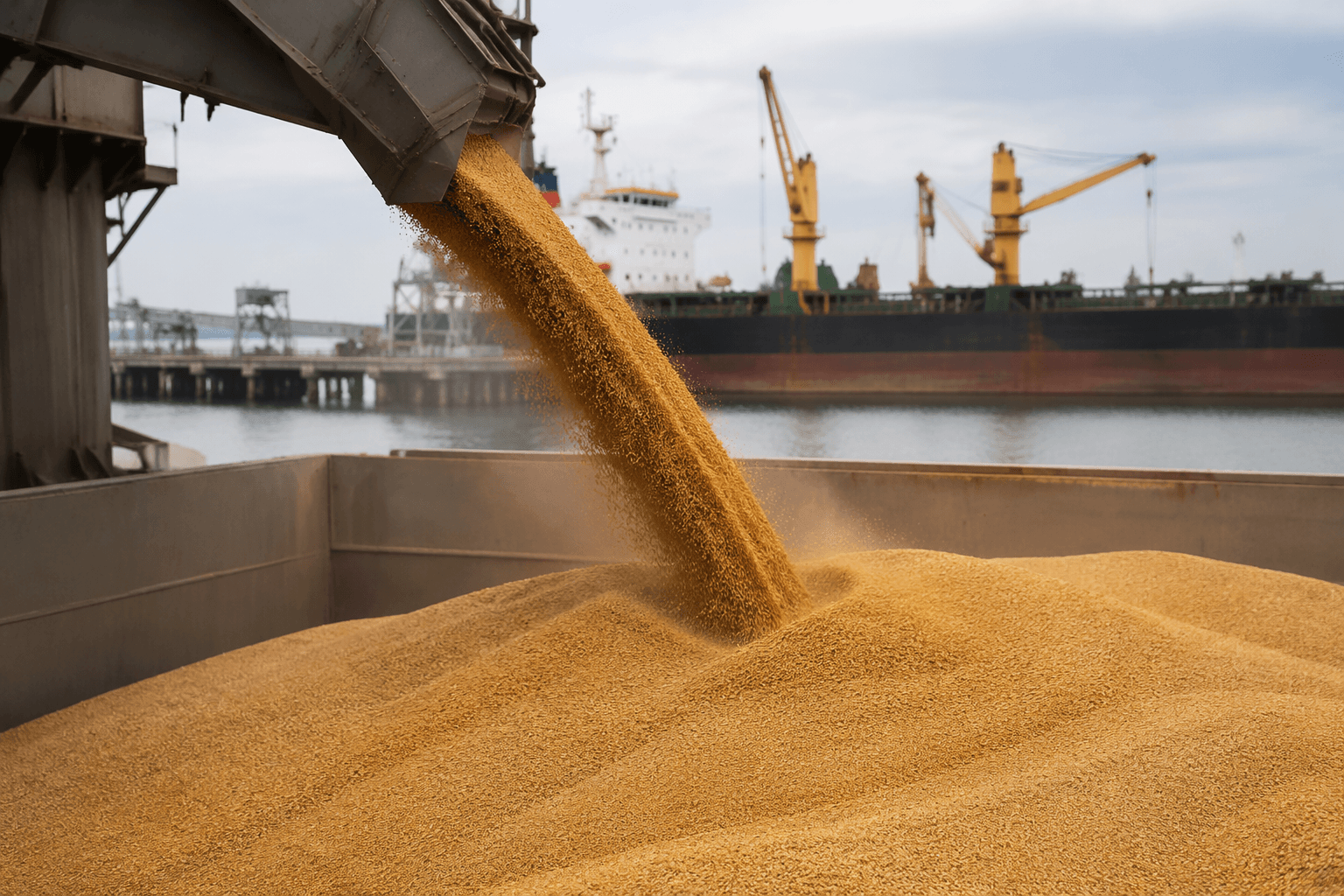
The tension has been there for years. On January 13, 2006, a USDA GAIN report on imported wheat said delayed testing on a shipment of Canadian wheat led to the arrest of an Italian importer and raised concerns in the industry about unfair scrutiny of wheat imports. The same report said U.S. wheat had not been directly affected to date. That episode captures the core problem: the politics of origin can get loud even when the industrial logic is simple, because Italy needs grain from outside its borders.
Country-of-origin rules only sharpened that argument. A separate industry note said Italy adopted labeling rules in 2017 that effectively damped imports, which shows how quickly sourcing can become a consumer-perception fight. Once the label gets tied to national identity, every shipment of North American durum starts carrying more baggage than a contract price.
Why North America and Turkey move the pasta shelf
Weather in the exporting countries can hit the Italian pasta chain just as hard as anything that happens in Rome. On August 30, 2023, Reuters reported that high pasta prices were set to boil over as Canada’s wheat withered, a reminder that a dry season in one prairie zone can travel all the way to a supermarket aisle in Europe. On November 10, 2021, Reuters had already reported pasta makers fretting over a durum wheat supply crunch.
By March 28, 2024, the stress had shifted again. Reuters reported that pasta makers were cheering Turkey as its durum wheat flowed abroad, showing how quickly the industry pivots when one source tightens and another opens up. The point is not that Italy is stuck with one supplier. The point is that Italian pasta depends on a global flow of durum, with Canada, the United States, and Turkey all able to change the balance.
Exports, tariffs, and the other end of the chain
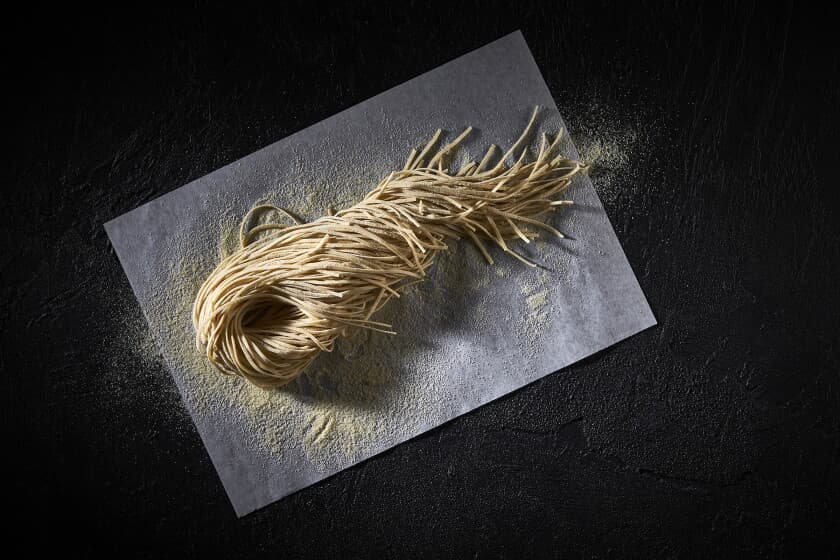
The finished pasta business is just as global as the grain side. Reuters cited ISTAT data showing that Italy’s total pasta exports were worth over 4 billion euros in 2024, with almost 2.5 million tons sold abroad. That is a serious export machine, and it only works if the input side stays steady enough to feed it.
Trade politics has now reached both ends of the chain. On January 31, 2025, Reuters reported that U.S. agricultural exports and imports were threatened by Trump trade actions. On October 5, 2025, Reuters said Rome called on the United States to reconsider an extra tariff on pasta imports. Then on January 1, 2026, Reuters reported that the United States sharply cut proposed pasta duties after a review. Even when the finished product is deeply associated with Italy, the rules around getting it into foreign markets can change almost as fast as the wheat flowing into Italian mills.
That is the real check on the romance of the pasta box. The branding says Italy, the processing happens in Italy, and the export story is undeniably Italian, but the chain underneath runs on wheat from outside the country, especially from the United States and Canada. Once you follow the grain, the label stops looking like a simple origin story and starts reading like what it is: an international supply network with an Italian finish.
This article was produced by Prism’s automated news system from verified source data, official records, and press releases, then run through automated quality and moderation checks before publishing. The system is built and supervised by the people who set the standards it runs under. Read our full AI policy.
Did this article answer your question?