Lawsuit claims Costco’s Kirkland tortelloni falsely says no preservatives
Costco’s Kirkland tortelloni is under fire for a “no preservatives” claim. The suit says the back panel tells a different story: manufactured citric acid.
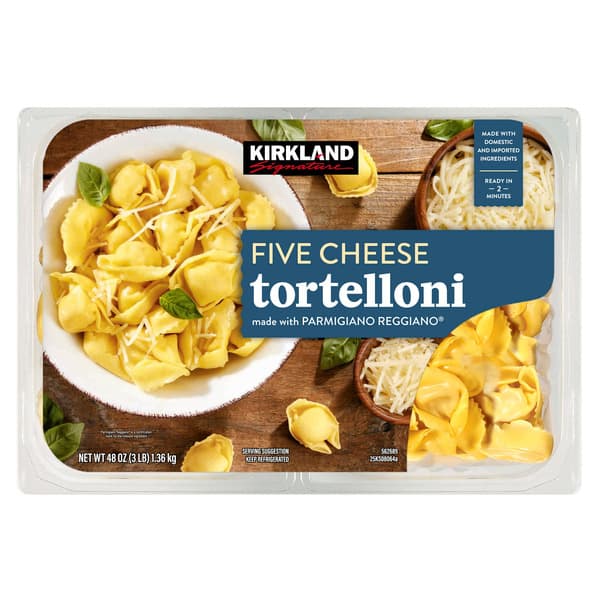
Frozen tortelloni is the kind of weeknight shortcut shoppers count on when dinner needs to be fast, filling and still feel a little more made-at-home than takeout. That trust is now at the center of a lawsuit over Costco Wholesale Corp.’s Kirkland Signature Five Cheese Tortelloni with Parmigiano Reggiano, which alleges the box promised “no preservatives” while the ingredient list included manufactured citric acid.
Sydney Turner filed the complaint on April 29 in U.S. District Court for the Central District of California. She says she bought the pasta in December 2023 because of the front-label claim and would not have purchased it, or would have paid less, had she known about the ingredient on the back panel. The suit seeks certification of a nationwide class, along with state subclasses, and asks for damages, fees, costs and a jury trial.
The dispute turns on a simple but meaningful consumer question: what does “no preservatives” mean on a frozen filled pasta? Turner’s complaint says Costco’s packaging gave shoppers one impression on the front while the ingredient list told a different story. The ingredient at issue is citric acid, which the suit describes as manufactured through industrial fermentation and chemical processing. In plain terms, the lawsuit is not arguing that the tortelloni was unsafe to eat; it is arguing that the marketing language did not match the way the product was formulated and presented to shoppers.
Turner’s claims include California unfair competition, consumer legal remedy and false advertising laws, along with breach of warranty, negligent misrepresentation, fraud and unjust enrichment. The case lands in a familiar gray zone for packaged pasta buyers, where convenience food has to do more than taste good. It also has to earn the trust implied by the label, especially when the product is sold as a premium freezer-aisle staple.
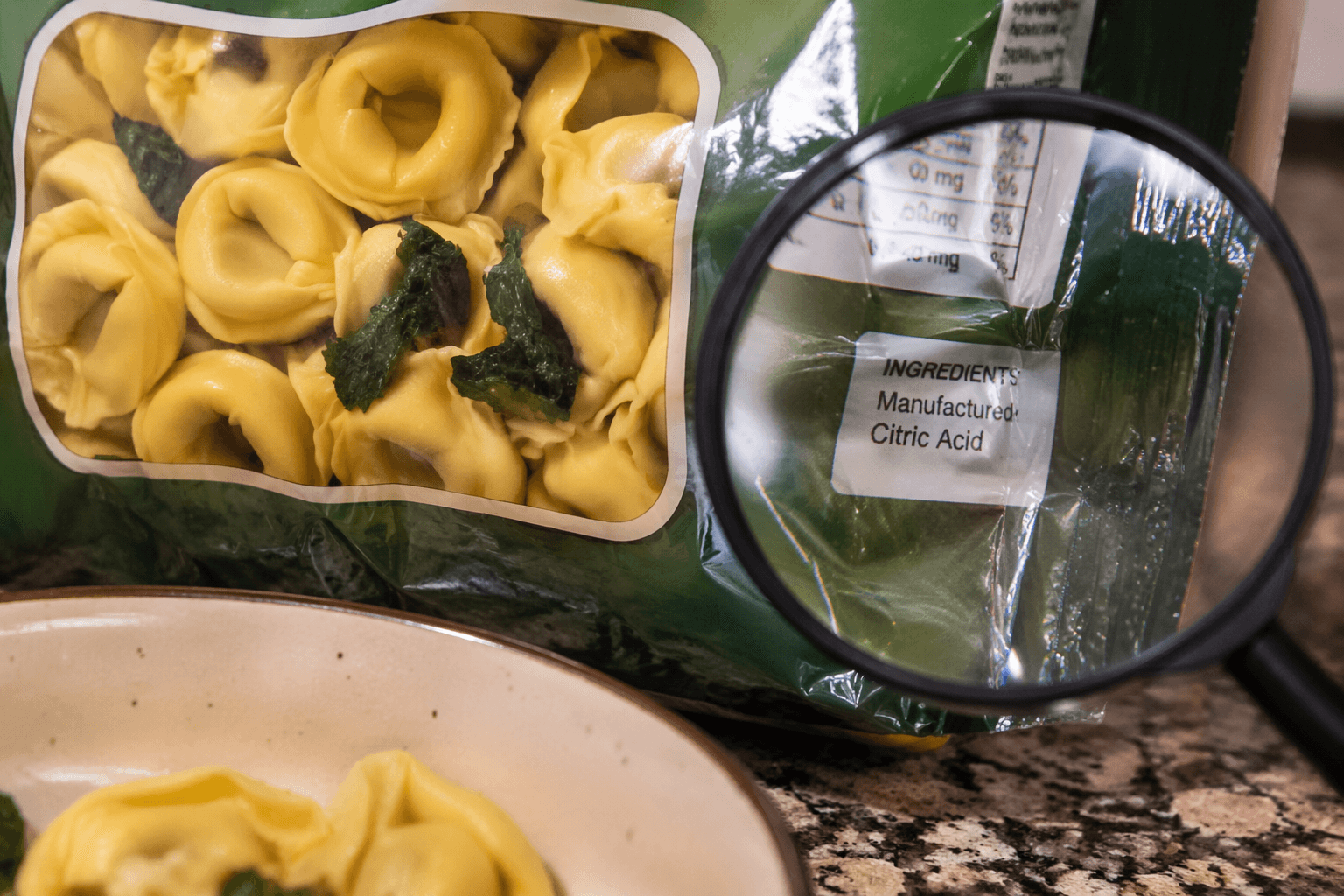
Federal food rules give citric acid a formal place on the shelf. The U.S. Food and Drug Administration lists it as a direct food substance in 21 CFR 184.1033 and describes it as a naturally occurring constituent of plant and animal tissues. The FDA also says chemical preservatives must be safe for use, not conceal damage or inferiority, and be properly declared on the label. That makes the label, not the bowl, the battleground.
Costco has not publicly responded to the lawsuit. It is also not the company’s first packaging fight this year: in January, shoppers filed a separate proposed class action over the Kirkland Signature Seasoned Rotisserie Chicken, with similar allegations about “no preservatives” marketing. For pasta buyers, the lesson is as practical as it is legal: the front of the box may sell the dinner, but the back panel still decides what that convenience really means.
This article was produced by Prism’s automated news system from verified source data, official records, and press releases, then run through automated quality and moderation checks before publishing. The system is built and supervised by the people who set the standards it runs under. Read our full AI policy.
Did this article answer your question?