Michelin Chef Ranks Store-Bought Pasta, Demotes Barilla to D-Tier
A Michelin chef's pasta tier list hit 600K views after placing Rummo at the top and banishing Barilla to D-tier, reigniting a fierce debate about bronze dies and wheat sourcing.
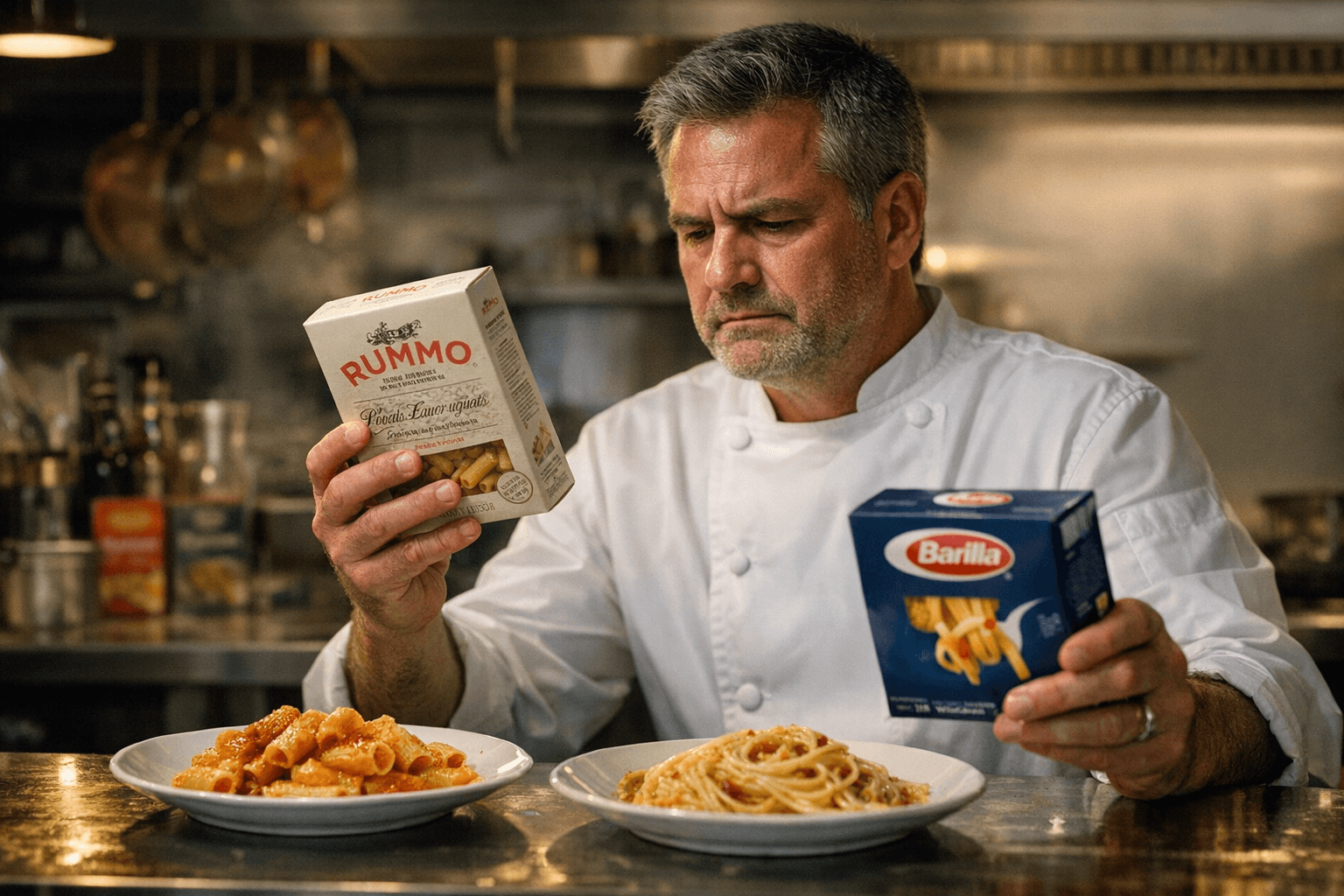
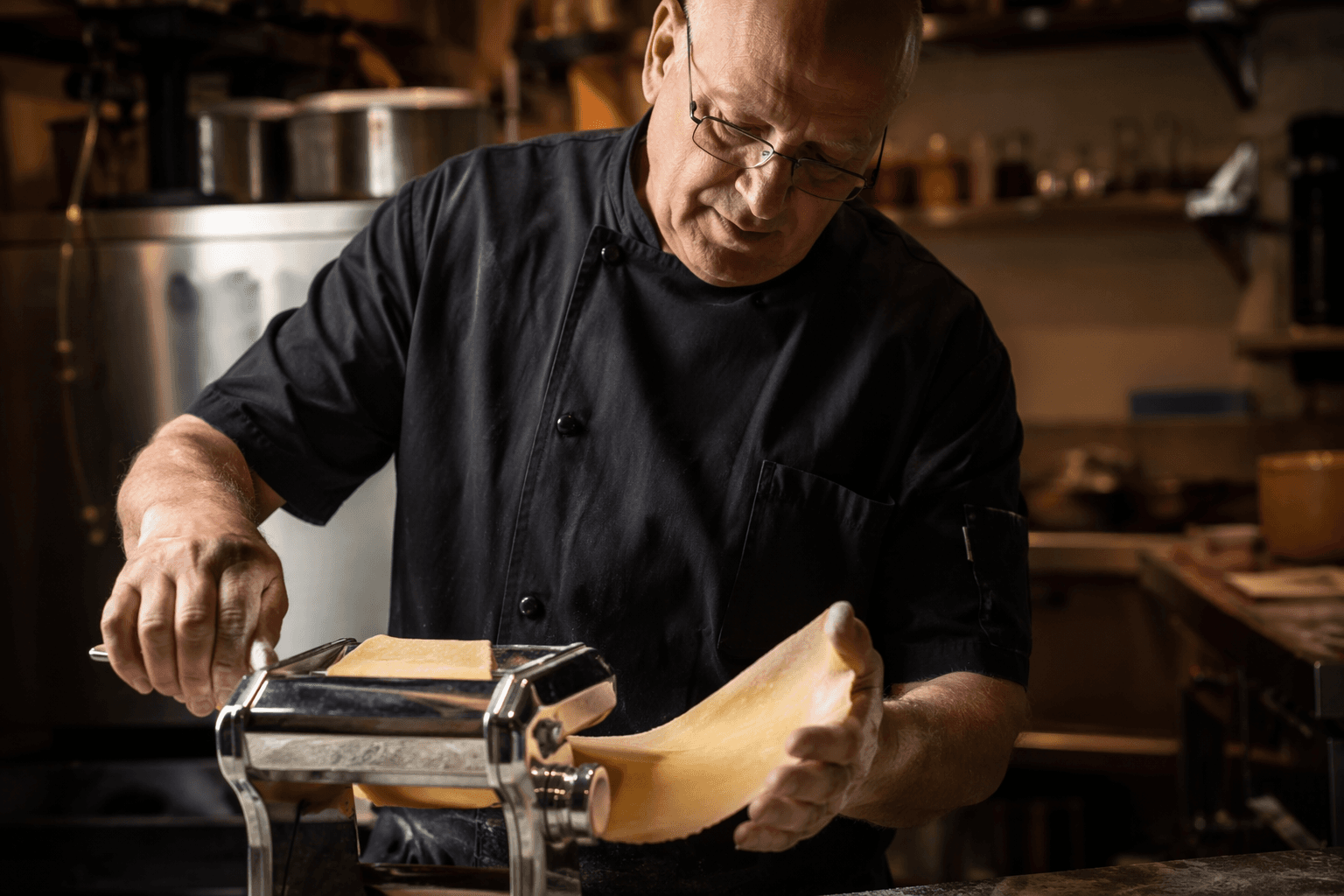
When a Michelin Guide chef goes on camera to sort grocery store pasta into tiers, the internet pays attention. Chef Sandro Nardone, the Atina-born owner of Bello by Sandro Nardone in Newport Beach and a five-consecutive-year Michelin Guide honoree (2021–2025), posted a pasta tier list video that has since surpassed 600K views and cracked open a full-scale debate about what actually separates a great dry pasta from a forgettable one. The verdict stung for Barilla loyalists: the world's largest pasta producer landed at the bottom, while a 175-year-old Campanian brand claimed the throne. Here are the five tiers from Nardone's ranking, and what they reveal about store-bought pasta quality.
1. S-Tier: Rummo
Rummo, based in Benevento, Campania, earned the top spot and it is not hard to see why pasta obsessives rallied behind the pick. The brand produces its pasta using traditional bronze dies, which press the dough through rough molds that leave a porous, slightly textured surface on every shape. That texture is the whole game: sauce clings rather than slides, mimicking the behavior of freshly made pasta far more convincingly than smooth, mass-produced alternatives. Rummo also uses a slow-drying method, applying gentle heat over an extended period to preserve the gluten network and lock in al dente resilience even when home cooks push past the suggested cooking time.
2. A-Tier: Premium Italian craftsmanship earns its place
The brands clustering in the A-tier territory in Nardone's ranking reflect the same production philosophy as Rummo, just with slight differences in wheat sourcing or availability. Names like La Molisana and Garofalo repeatedly surface in expert discussions because they share the bronze-die and slow-dry combination that serious pasta cooks treat as non-negotiable quality markers. La Molisana, for example, is frequently cited alongside Rummo as a brand that "works its pasta" with comparable care, delivering firm texture and excellent sauce absorption at a price point that remains accessible outside Italy.
3. B-Tier: Reliable everyday performers
The B-tier bracket in rankings like Nardone's tends to capture brands with genuine technical merit but some concession to industrial scale, whether that means blended wheat origins, slightly faster drying cycles, or less consistent quality control across their full range. De Cecco is often positioned in this zone by Italian food professionals: it uses bronze-die extrusion and sources quality durum wheat, earning consistent marks for flavor and bite, but it occupies a middle position between the artisanal premium tier and the mass-market segment. For regular weeknight cooking, these pastas perform well; for a dish where the pasta is the star, the step up to S-tier is worth the extra cost.
4. C-Tier: The brand recognition trap
C-tier is where the gap between marketing perception and actual quality becomes most visible. Several widely recognized supermarket brands, including some lines that trade on Italian heritage imagery, fall here because their production methods prioritize shelf-stable texture and low cost over sauce absorption and flavor. Teflon dies, rather than bronze, are the common thread: the smooth, fast-extruded surface looks fine in the box but lacks the microscopic roughness that makes sauce adhere. Faster, high-heat drying cycles further compromise the gluten structure, producing pasta that turns mushy quickly and carries little of the wheaty, nutty aroma that defines quality dried pasta.
5. D-Tier: Barilla draws the verdict
Barilla's blue box placement at the bottom of Nardone's list landed hardest because the brand is so ubiquitous; for millions of home cooks globally, Barilla has simply been synonymous with pasta. The critique centers on three points: smooth Teflon-die extrusion that produces a slick surface sauce cannot grip, rapid industrial drying that shortcuts the slow process premium brands rely on, and wheat sourcing that, for product sold in the United States, draws on American-grown grain from plants in Iowa and New York rather than Italian durum wheat. Barilla does produce a higher-end "Al Bronzo" bronze-cut line that reviewers rate considerably better than the classic blue box, but Nardone's placement targets the flagship product that dominates supermarket shelves worldwide.
The 600K-view response to Nardone's clip reflects something deeper than brand loyalty: it signals that home cooks are actively interrogating the pasta aisle in a way they simply were not a decade ago. When a chef with Nardone's pedigree, someone who plates house-made rigatoni amatriciana in a Michelin-recognized kitchen, walks through a supermarket tier list and the comment sections explode with Italian speakers defending or condemning each pick, it confirms that dry pasta has become a genuine quality conversation. The bronze-die standard, once a niche talking point among food obsessives, is now the benchmark by which any serious pantry pasta gets judged.
This article was produced by Prism’s automated news system from verified source data, official records, and press releases, then run through automated quality and moderation checks before publishing. The system is built and supervised by the people who set the standards it runs under. Read our full AI policy.
Did this article answer your question?