Nebraska restaurant wins loyalty with housemade pasta and Sicilian roots
Pasta Amore turns housemade noodles into the draw, pairing Sicilian discipline with a 30-year Omaha following.
Pasta Amore does not sell pasta as a supporting actor. In Omaha’s Rockbrook Village, it is the reason to walk in, order slowly, and trust a kitchen that has built loyalty on repetition, technique, and Sicilian roots. The restaurant’s appeal is simple to say and harder to fake: pasta made in-house, sauces that show the work, and a neighborhood identity strong enough to last for decades.
A restaurant built on the long game
Pasta Amore says it has been a beloved Omaha Italian restaurant for more than 30 years, and consumer listings place it as a Rockbrook Village mainstay since 1987. That kind of staying power matters in a market where comfort food is everywhere, but a truly distinct pasta destination is rarer. The restaurant’s own positioning leans into that confidence, describing itself as chef-led Italian home cooking inspired by Sicilian roots, with house-made pastas and classic recipes at the center.
The setup is part fine-dining, part neighborhood trattoria, which helps explain why it has lasted. It is not chasing novelty; it is protecting a recognizable style that regulars can return to and newcomers can understand quickly. In pasta culture, that consistency is the real flex.
Why the pasta reads as the headline, not the footnote
The strongest pasta rooms make their technique visible, and Pasta Amore’s story is built around that idea. DecorHint framed the restaurant as a place where housemade pasta exposes shortcuts fast, because texture and sauce reveal whether a kitchen is really doing the work. That is exactly the kind of signal pasta people look for: a plate that tells the truth before anyone says a word about it.
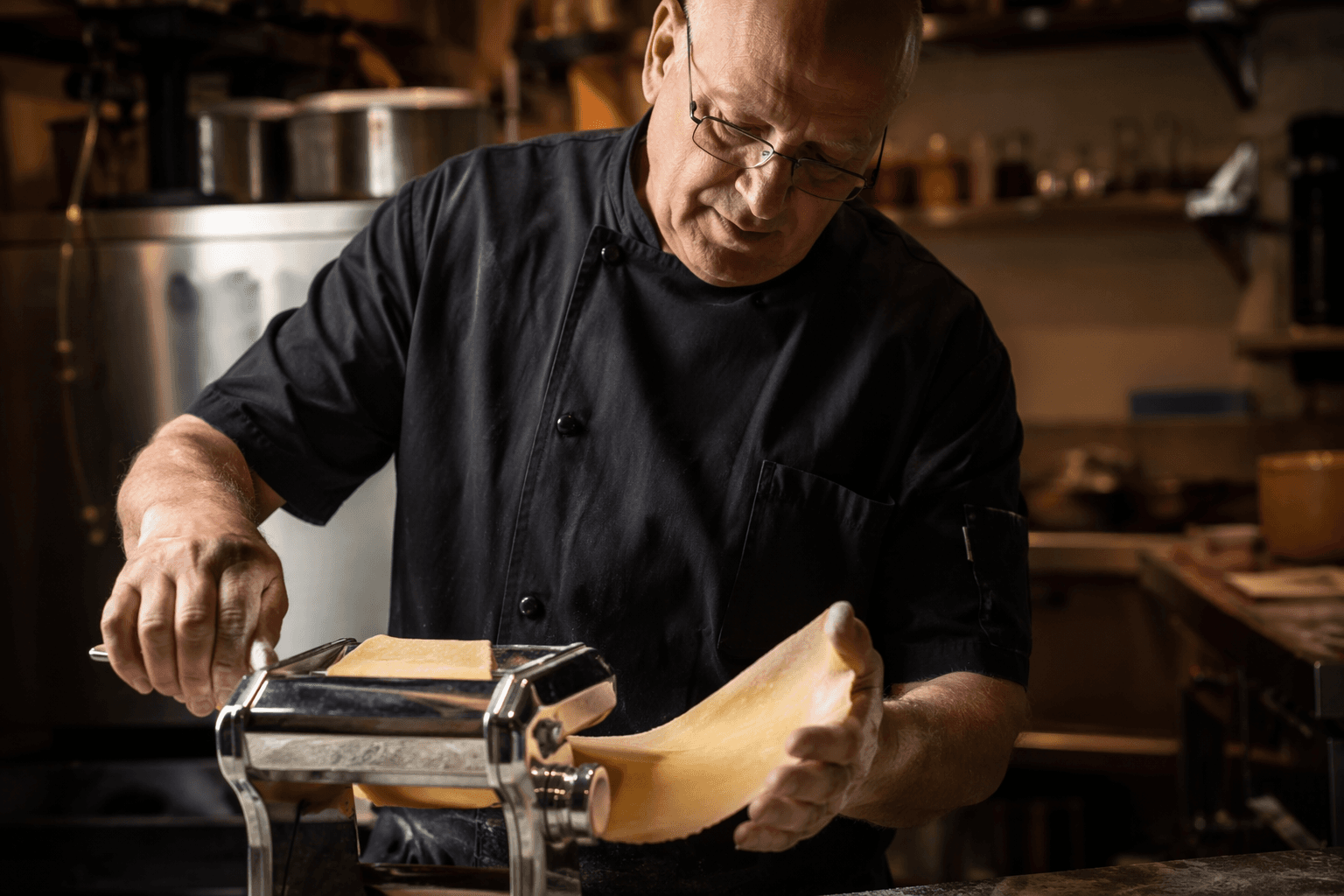
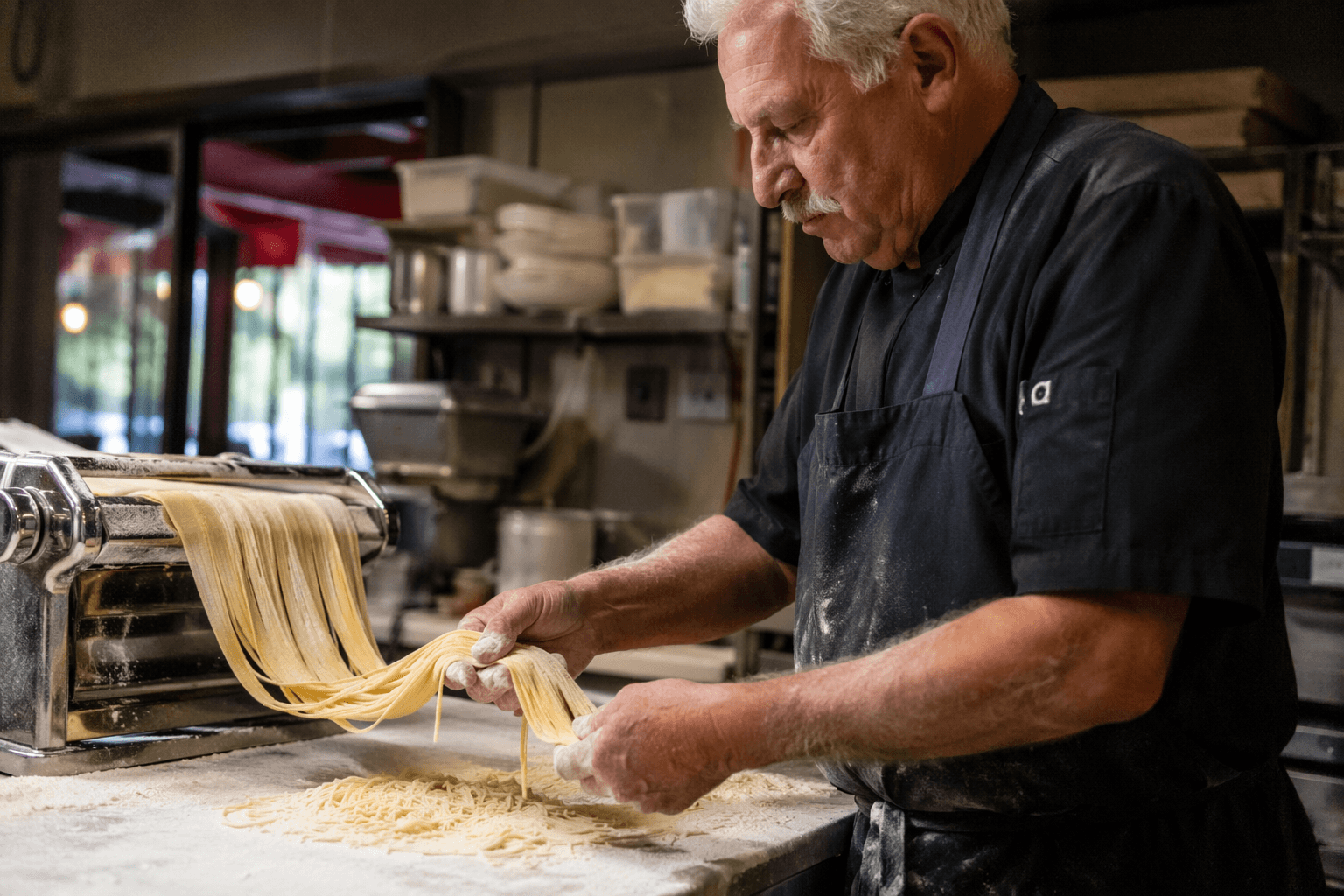
Visit Omaha adds another layer, describing Pasta Amore as a homey trattoria using seasonal ingredients and Italian pasta machines to make some of the finest Italian food in Omaha. The site says the pasta is made the “old-country” way on pasta machines imported from Sicily, which gives the restaurant’s technique a direct line back to its stated heritage. In a category where many places can claim Italian inspiration, that kind of specificity is what builds trust.
Leo Fascianella’s story gives the food its backbone
The restaurant’s identity is inseparable from its founder, Chef Calgero Lillo “Leo” Fascianella. Visit Omaha says he emigrated with his parents from Sicily in 1972, and the Pasta Amore about page says he was born in San Cataldo, Sicily, in 1956. That arc matters because the restaurant does not simply borrow Sicilian cues for atmosphere; it is tied to a life that moved from Sicily to Nebraska and brought its cooking language with it.
Omaha Magazine adds the kind of detail that makes the story feel lived-in rather than branded. It says Fascianella arrived in the United States with no English skills and $50 in his pockets, then worked 14 years in local restaurants before opening Pasta Amore e Fantasia. That is the sort of background that often explains a restaurant’s discipline better than any menu description can. When a chef has spent years inside other kitchens before opening his own, every plate tends to carry a little more intent.
Fascianella has also described his cooking as “edible paintings,” a phrase that captures how the restaurant seems to think about balance, color, and arrangement without losing sight of comfort. The food may be rooted in tradition, but it is presented as something made carefully enough to feel personal.
What lands on the table
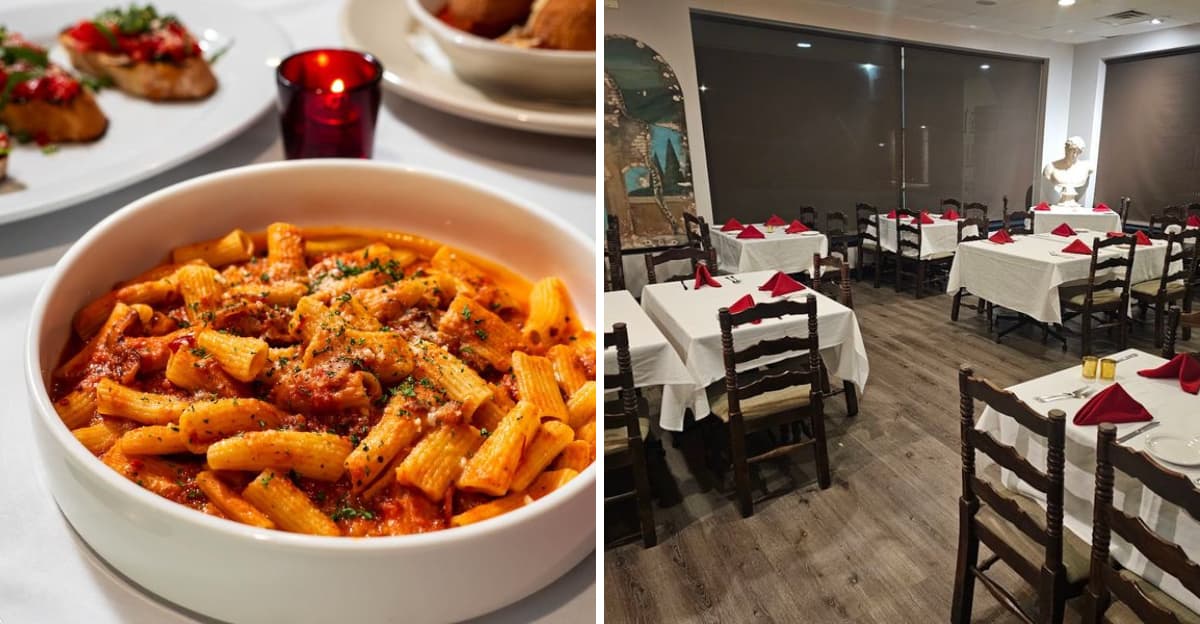
The menu reinforces that Pasta Amore is built for a full meal, not just a pasta course. Entrees come with a choice of house salad, minestrone, or pasta fagioli, and the restaurant serves housemade focaccia and whipped fresh ricotta with all entrees. Those details matter because they show a kitchen that is still making the small, labor-intensive pieces that make Italian dining feel generous.
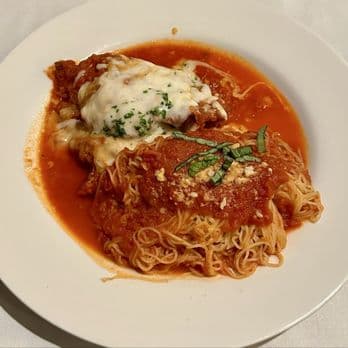
That kind of menu structure also changes the pace of the meal. A plate of pasta arrives inside a larger rhythm of bread, cheese, soup, and salad, which is part of why the restaurant reads as both special occasion and regular haunt. It gives diners the feeling of a complete table, not just a single signature item.
The freshness extends beyond the pantry. Omaha Magazine says many of the herbs and vegetables used at the restaurant are grown by Fascianella and his wife, Pat, at their Omaha home and at the restaurant. That homegrown detail deepens the sense that this is not a concept restaurant assembled from a playbook. It is a family-run operation where flavor starts before the food reaches the kitchen.
Why the address and the neighborhood matter
Pasta Amore sits at 11027 Prairie Brook Rd. in Omaha’s Rockbrook Village, and that location is part of the story. Being in a neighborhood setting gives the restaurant a kind of everyday credibility, while the food and service style elevate it beyond a casual strip-mall stop. The room can support both loyal regulars and special-occasion diners, especially with private party rooms in the mix.
Omaha Restaurant Week has included Pasta Amore among participating spots in the metro dining scene, which further signals that the restaurant is not a hidden local secret but a recognized part of the city’s broader restaurant map. OpenTable describes it as a beloved Omaha Italian restaurant for over 30 years and highlights its signature homemade pastas, reinforcing the same impression from another angle. The message is consistent across the public-facing details: this is a place with enough confidence in its food to let the cooking, and not the hype, do the convincing.
Pasta Amore matters because it shows how a pasta restaurant can win loyalty without becoming performative. In Omaha, the draw is not a gimmick or a trend cycle, but a kitchen where Sicilian discipline, housemade noodles, and a 30-plus-year neighborhood presence all point in the same direction. That is the kind of pasta story worth finding, and worth returning to.
This article was produced by Prism’s automated news system from verified source data, official records, and press releases, then run through automated quality and moderation checks before publishing. The system is built and supervised by the people who set the standards it runs under. Read our full AI policy.
Did this article answer your question?