Pasta prices jump 50 percent as inflation squeezes grocery bills
Spaghetti and macaroni averaged $1.34 a pound in April 2026, with pasta costs up as much as 64% since 2021 and olive oil still squeezing the pantry budget.

A box of spaghetti no longer feels like the safe, cheap default it once did. In April 2026, U.S. Bureau of Labor Statistics data showed spaghetti and macaroni averaging $1.34 a pound, after prices for staples including pasta rose between 50 and 64 percent since 2021.
That jump lands where home cooks feel it most: on the weeknight meals that start with a pound of pasta and end with a grocery total that looks a lot less forgiving. Macaroni and cheese, spaghetti with sauce, and other pantry dinners now sit inside a broader inflation story that has kept basic groceries under pressure for years.
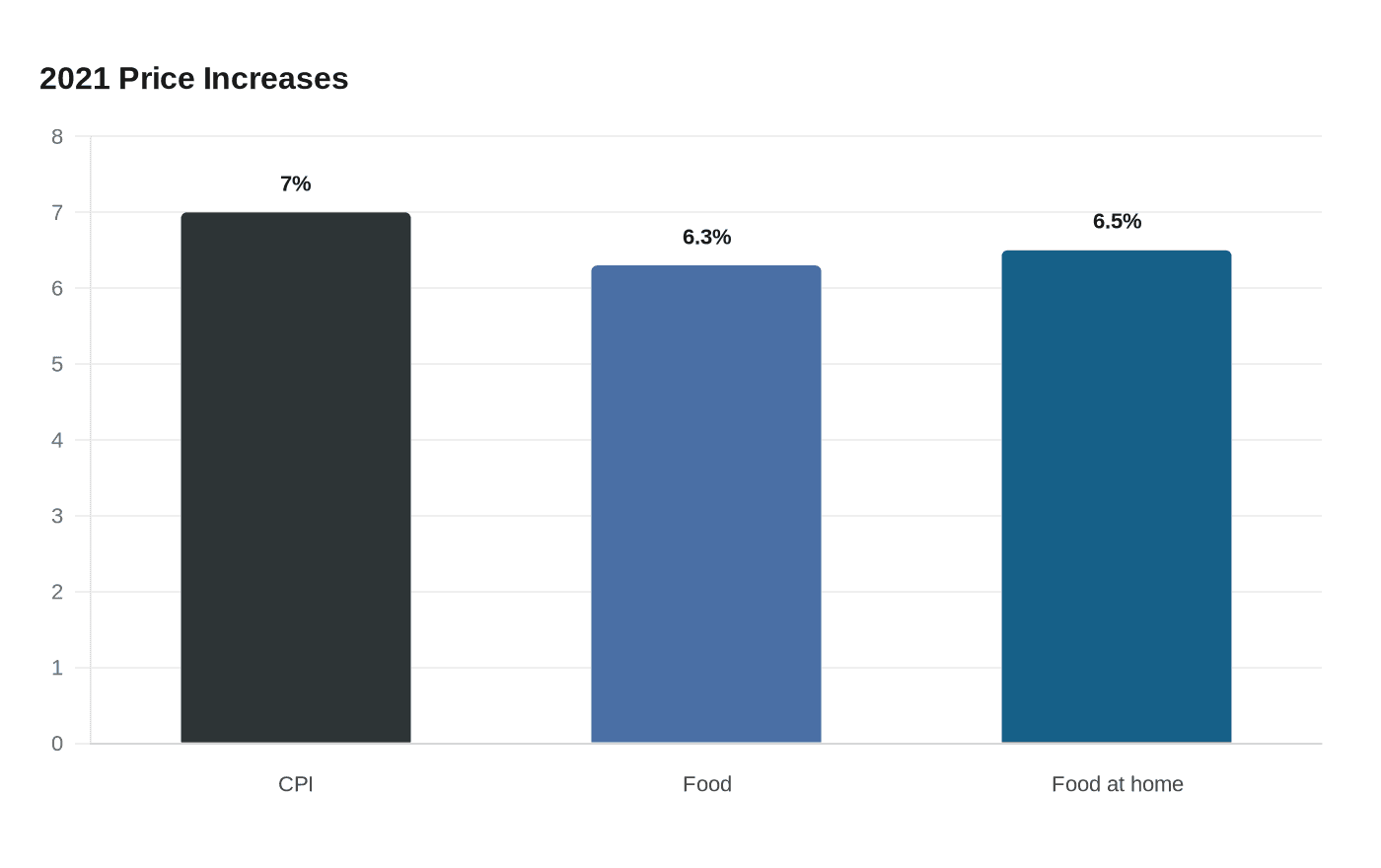
The numbers behind that pressure were sharp from the start. Consumer prices in the United States rose 7.0 percent from December 2020 to December 2021, the largest December-to-December increase since 1981. Food prices climbed 6.3 percent in 2021, the biggest annual food-price increase since 2008, while food-at-home prices rose 6.5 percent. BLS has said large and consistent price increases hit a wide range of products as the COVID-19 pandemic strained supply chains.
Pasta’s rise is part of that same grocery squeeze, but olive oil shows how the pain reaches beyond a single aisle. Olive oil prices more than doubled over the same period, driven by severe drought in Spain, the world’s largest olive oil producer, which usually supplies about 40 percent of global output, along with heatwaves in Italy and Portugal, smaller harvests, and other supply disruptions. By late 2024, the European Commission projected EU olive-oil production would rise to 2 million metric tons in the 2024/2025 season, up 31 percent from the prior year, but it was still unclear whether households would return to olive oil after record-high prices.
The pressure also changed what shoppers bought. Reuters reported that sunflower oil overtook olive oil purchases in Spain in 2024 as consumers moved to cheaper cooking oils, a reminder that inflation is not just a line on a chart but a swap made at the shelf. For pasta households, the same math now applies to the bottle beside the box.
That is the new kitchen-table reality: spaghetti and macaroni still anchor dinner, but the bargain-meal equation has changed, and the pantry is still paying for the shocks that pushed pasta and olive oil so much higher.
This article was produced by Prism’s automated news system from verified source data, official records, and press releases, then run through automated quality and moderation checks before publishing. The system is built and supervised by the people who set the standards it runs under. Read our full AI policy.
Did this article answer your question?