Princess of Wales makes fresh pasta with children in Reggio Emilia
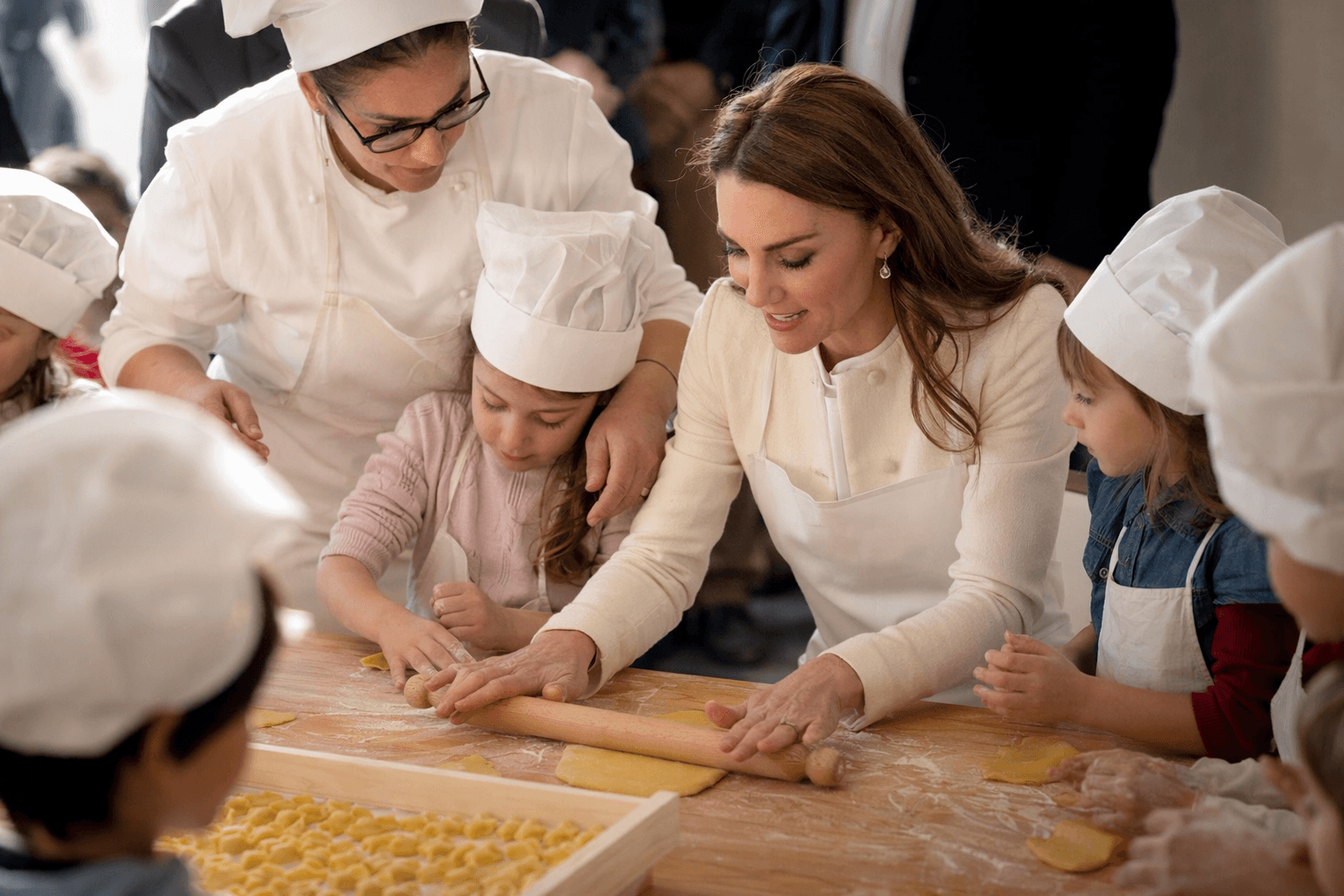
In Reggio Emilia, Catherine ended her Italy tour rolling fresh pasta with local chefs and children, turning a royal visit into a hands-on tribute to handmade food.
%3Amax_bytes(150000)%3Astrip_icc()%3Afocal(749x0%3A751x2)%2Fprincess-of-wales-al-vigneto-051426-1-859b9e62495b4594b66a944f20f570b3.jpg&w=1920&q=75)
Reggio Emilia gave Catherine, Princess of Wales, a final scene that fit the city’s rhythm: fresh pasta at a table with local chefs and children, not a distant ceremonial pose. Buckingham Palace said she ended her Italy tour on May 15, 2026, with the cooking session, a closing image that turned a royal stop into a very Italian lesson in craft, patience, and shared technique.
The pasta-making came at the end of a three-day visit that had already leaned hard into learning rather than pageantry. Catherine was welcomed on arrival by Reggio Emilia Mayor Marco Massari and spent time at a preschool and the Remida creative recycling center. Some reports said she introduced herself to schoolchildren as Caterina in Italian, a small gesture that suited a trip built around curiosity and local exchange. The visit also marked her first overseas trip since her 2024 cancer diagnosis, giving the itinerary an added layer of personal significance.
The broader purpose was educational. Catherine’s trip to Reggio Emilia in northern Italy was part of work by the Royal Foundation Centre for Early Childhood, focused on the Reggio Emilia Approach, the city’s celebrated model of early education. AP has described that approach as one that values a child’s inherent curiosity and potential, with teachers acting as facilitators rather than instructors and parents and the surrounding community deeply involved. In Reggio Emilia, that philosophy is not abstract theory. It is part of the city’s identity.
That identity runs deep. Reggio Children says the educational tradition reaches back to the late 19th century, and that the municipality opened a municipal preschool in Villa Gaida in 1913. After World War II, the approach was renewed through municipal infant-toddler centers and preschools. Reggio Children itself was founded in 1994 to strengthen that work, which helps explain why a pasta table felt like a natural extension of the city’s public culture: children learning from adults, hands on, in a shared civic space.
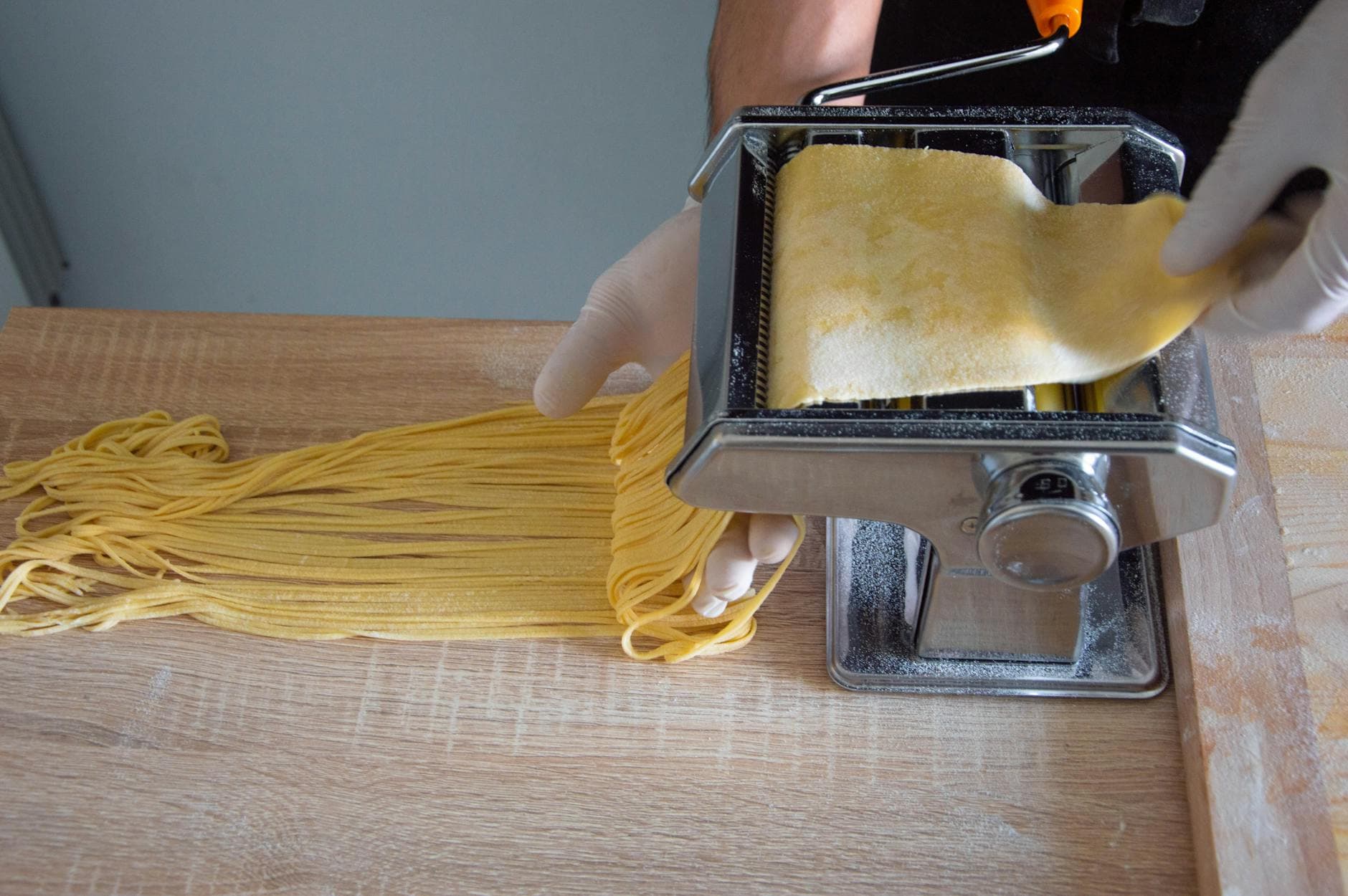
The food setting sharpened the symbolism. Reuters said Catherine learned pasta-making in northern Italy’s food valley, an area known for Parmigiano Reggiano, and the session took place at Agriturismo Al Vigneto in the hills between Reggio Emilia and Parma. Emilia-Romagna tourism describes the region’s first-course traditions as deeply rooted, with tortellini, tortelli verdi, anolini, cappelletti, garganelli, tagliatelle, and lasagna all part of the local canon. Parmigiano Reggiano’s official site places Parma and Reggio Emilia inside its protected production area, underlining why this pasta stop landed with such force: in Emilia-Romagna, handmade food is not a sideshow, it is the region speaking for itself.
Know something we missed? Have a correction or additional information?
Submit a Tip