Protein-packed pasta gains traction as brands target health-conscious eaters
Protein pasta moved from niche to mainstream, with Barilla’s Protein+ at 17 grams a serving and a market topping $1 billion.
Protein pasta moved from specialty aisle curiosity to a mainstream grocery bet, and the numbers showed why. One estimate put the global protein-fortified noodles and pasta market at $1.05 billion in 2023, while another valued it at $1.38 billion in 2024. Both forecasts pointed higher, to $1.36 billion by 2030 and $1.9 billion by 2032. North America held the largest revenue share in 2023 at 32.2%, and the U.S. led the region.
Taste of Home captured the mood by saying protein pasta was “all the rage right now” as it put Barilla, Brami, Banza and Goodles side by side. That comparison mattered because the category had widened beyond one-off legume noodles into a real pantry choice, especially for shoppers chasing health-conscious swaps without giving up pasta night.
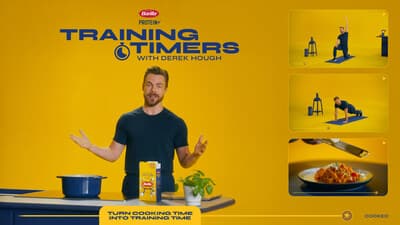
Barilla made the clearest mainstream case. Its Protein+ pasta used durum wheat with protein from lentils, chickpeas and peas, and the company said a 3.5-ounce serving delivered 17 grams of protein. Protein+ Rigatoni carried the same 17-gram claim, alongside penne, rotini and other familiar shapes. In 2026, Barilla added Protein+ Stars and promoted Protein+ Training Timers with Derek Hough, a sign that the brand was pairing nutrition claims with lifestyle marketing.
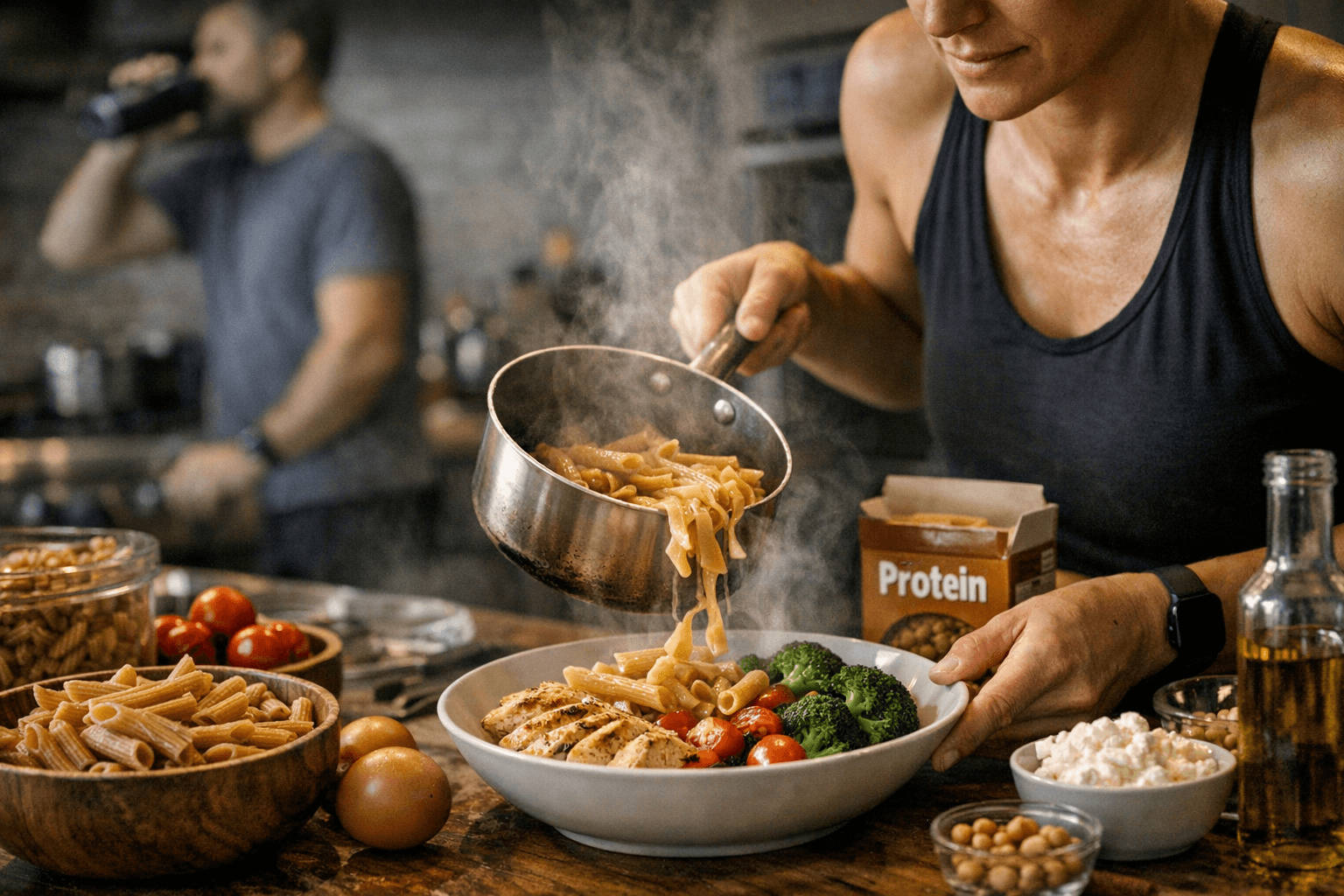
Goodles pushed the same idea through comfort food. Its mac and cheese delivered 15 grams of protein per 1-cup serving, and the company said the products were made in the United States. For busy shoppers, that made protein pasta feel less like a supplement and more like an easy weeknight dinner, which helped explain why the category had traction with fitness and weight-management communities.
The tradeoff remained clear: more protein usually meant a different bite. Over time, the category moved from rougher legume-heavy formulas toward more polished wheat-and-legume blends, a change that reflected what consumers wanted most, better taste and texture alongside a nutritional bump. That was the real test for everyday meals and the shelf price. If a box could deliver 17 grams of protein without tasting like a compromise, it had a shot at becoming a pantry regular instead of a wellness detour.
This article was produced by Prism’s automated news system from verified source data, official records, and press releases, then run through automated quality and moderation checks before publishing. The system is built and supervised by the people who set the standards it runs under. Read our full AI policy.
Did this article answer your question?