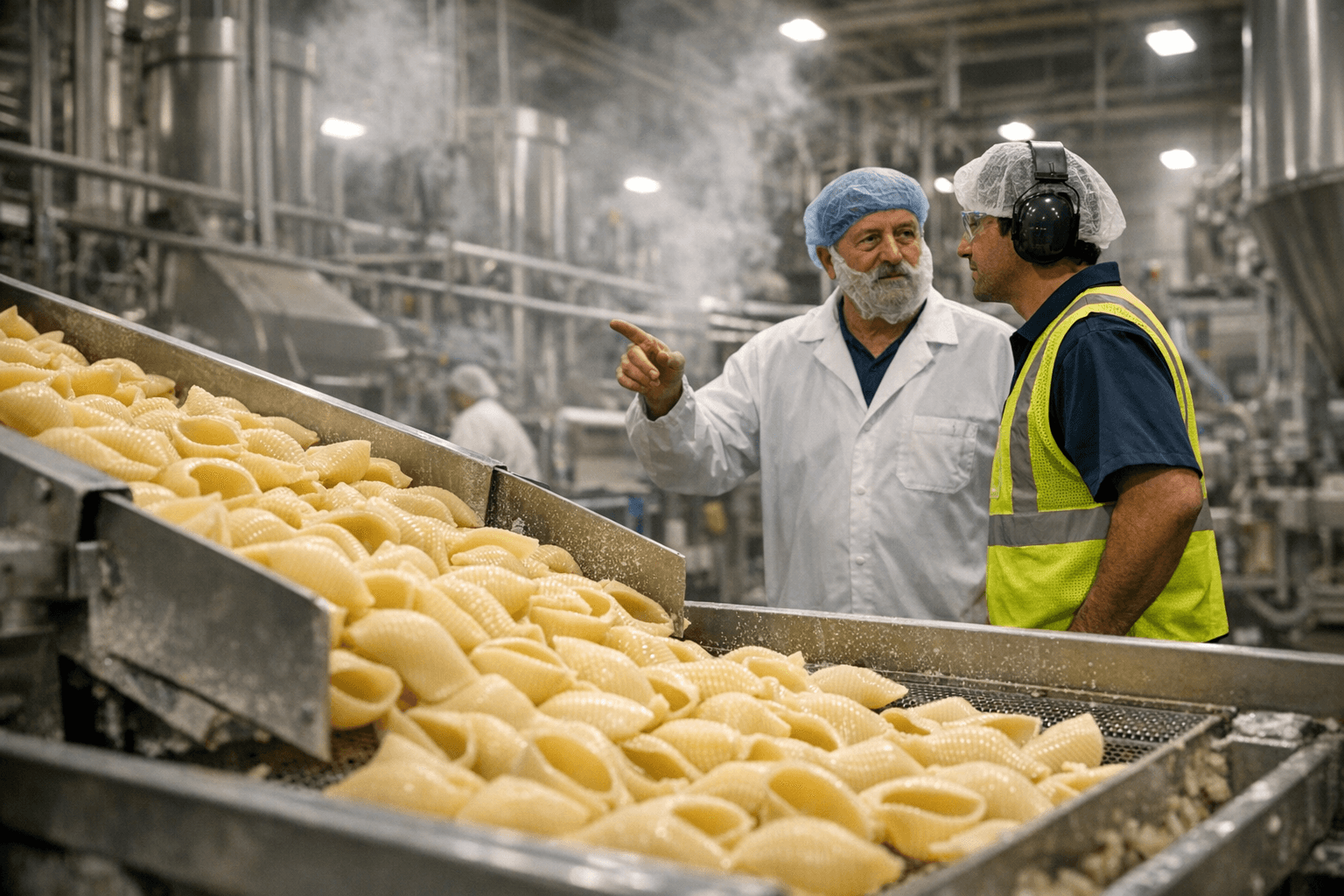
Pasta drying temperatures reshape starch digestibility, nutrition and firmness
Hotter drying makes pasta firmer, but wholemeal loses more slowly digested starch at 85°C. Semolina holds up better, showing the bite-versus-blood-sugar tradeoff.
What the heat is really doing inside the pasta
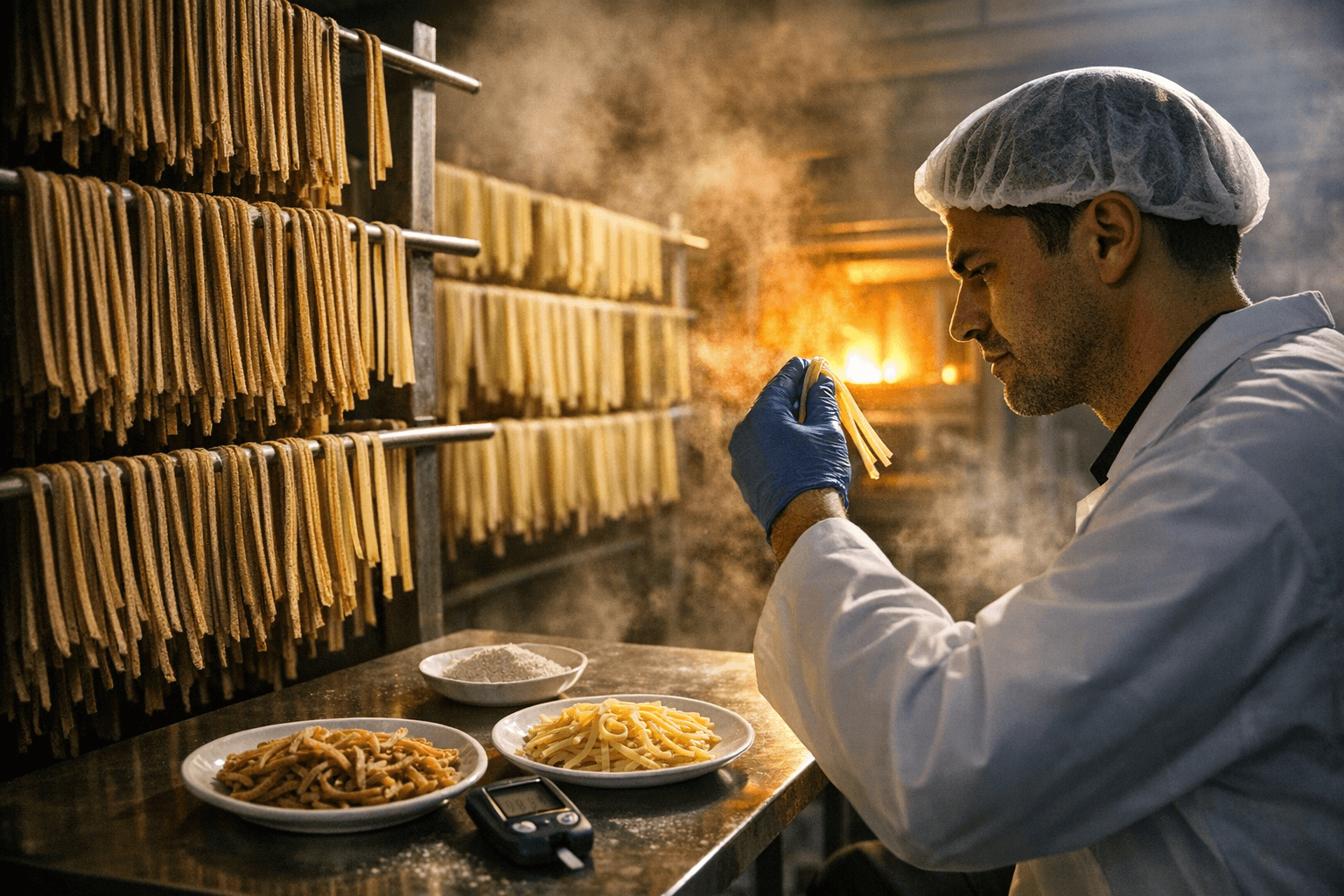
This study gets at one of the oldest pasta questions in the business: how much can you push drying temperature before you start trading away nutrition for texture? The team behind *Impact of Raw Materials and Drying Temperatures on In Vitro Starch Digestibility of Durum Wheat Pasta* tested durum wheat pasta dried at 50°C, 60°C and 85°C, and the answer is not subtle. The higher heat made the pasta firmer, but it also changed how much starch stayed slowly digestible, especially in wholemeal pasta.
Cereals & Grains Association highlighted the paper as a Cereal Chemistry editor’s pick, which fits an organization that says it advances cereal grain science and points out that cereal grains make up 75% of the world’s diet. In other words, this is not just a niche factory-floor detail. It is a question with consequences for the pasta people buy every week.
Semolina held steady, wholemeal bent under heat
The cleanest takeaway is the split between semolina and wholemeal. Semolina pasta kept slowly digestible starch, or SDS, close to or above the international nutrition target of 40% of available starch across all three drying temperatures. That matters because SDS is the part of starch that digests more slowly, which is the piece pasta makers and nutrition-minded buyers care about when they talk about steadier glucose response.
Wholemeal pasta was more sensitive. At 85°C, its SDS content dropped by as much as 20%. That is a real loss, not a cosmetic one, and it tells you that the bran-rich version of pasta does not react to heat the same way semolina does. If you are buying wholemeal pasta for a more measured carb response, this is the kind of processing detail that can move the needle.
The practical read is simple: 50°C did the best job of preserving SDS, especially in wholemeal pasta. 85°C pushed the process toward a different goal, one that favors the factory and the fork in another way.
Why firmness went up as the temperature rose
If you like your pasta with more bite, the heat trend makes sense on the plate. Firmness increased with drying temperature in both pasta types, with one exception: semolina pasta at 60°C at optimal cooking time did not follow the same upward pattern. That exception matters because it shows the relationship is not perfectly linear, and the exact drying profile still matters.
Furosine levels also crept up with temperature. That is a sign that hotter drying changes the chemistry of the pasta, even if the change is slight. For manufacturers, this is the balancing act in plain English: hotter drying can improve technological quality, meaning a firmer product that behaves better in processing and cooking, but the heat can also nudge starch digestibility and other quality markers in the wrong direction.
So when a dried pasta feels sturdier in the bowl, that is not just a texture story. It is a processing story baked into the noodle.
Why pasta people should care about starch digestibility
Pasta already has a reputation as a low-glycemic-index food, and this study reinforces why that reputation sticks. Starch digestibility is tied to the blood sugar response after a meal, so a pasta that preserves more SDS is more likely to digest at a slower pace. That does not turn dinner into medicine, but it does help explain why pasta often performs better than other refined starches when you are thinking about post-meal glucose.
A 2023 study in *Foods* found that pasta samples had the highest SDS and available starch values compared with couscous and bread, with values above 40%, which lines up neatly with the 40% recommendation the new study keeps circling. A 2021 review also described durum wheat pasta as a low-GI food and noted that formulation and processing technologies can change GI values. That is the key point for shoppers: the wheat is only part of the story. The drying process is part of the recipe, too.
There is also a practical, everyday upside here. Slower starch digestibility can contribute to a steadier rise in blood sugar, and that steadier curve often goes hand in hand with a more even sense of fullness after eating. The study did not measure satiety directly, but the chemistry points in that direction.
This is an old industrial trick with a new nutritional lens
Hot drying is not some fresh marketing invention. Cereal Chemistry research from 2000 already showed that high-temperature drying changed starch thermal properties, using pasta dried at 55°C as a reference point. Go back further, and a 1994 paper noted how pasta production moved from artisanal methods to industrial ones after World War II, with high- and very-high-temperature drying becoming major innovations.
That history matters because it shows how the industry has long been chasing the same two goals at once: better texture and better keeping quality. This new study simply adds a sharper nutritional lens. Hotter drying can help pasta feel firmer and behave better technologically, but it may not be the best move if your main goal is preserving slowly digestible starch, especially in wholemeal formats.
Who backed the work and why that matters
The paper was written by Andrea Bresciani, Gianluca Giuberti, Mariasole Cervini, Fabio Masotti and Alessandra Marti, and it moved through review quickly, received on October 8, 2025, revised on January 30, 2026, and accepted on February 13, 2026. It was funded by Rummo Spa, the National Recovery and Resilience Plan grant PE00000003, and the Italian Ministry of Education, University and Research PRIN 2022 grant 2022SCYHWK.
That mix of academic and industry support tells you exactly where the pressure point is. Pasta makers want a product that cooks with a strong bite and stands up in the kitchen, but the science is showing that the drying temperature you choose can also reshape how the starch behaves after you eat it.
For the pasta aisle, the message is blunt: hotter drying can buy firmness, but it does not come free. The best process is the one that matches the wheat, the texture you want, and the nutritional profile you are actually after.
Know something we missed? Have a correction or additional information?
Submit a Tip