Red onion peels fortify fresh pasta in sustainable food study
Red onion peels gave fresh pasta more fibre and antioxidants, but only up to a point. The study’s real surprise is that 6% looked like the best balance of function and bite.
What this study asks of a bowl of fresh pasta
The newest sustainability question in pasta is not whether you can hide a vegetable in the dough. It is whether a kitchen by-product can become a real ingredient without flattening the bite, dulling the color, or turning the plate into a science project. In this case study, researchers from the University of Foggia and the National Research Council’s Institute of Sciences of Food Production in Bari tested red onion peel powder in fresh pasta to see how far the format could stretch before quality broke.
That makes this more than a waste-reduction exercise. It is a direct test of whether fresh pasta, one of the most forgiving and familiar carriers in Italian food culture, can absorb a sustainable ingredient and still feel like something people want to eat again. The answer, at least in this trial, was yes, but only within a narrow range.
How the pasta was built
The team prepared fresh pasta with red onion peel powder at three inclusion levels, 3%, 6%, and 9% w/w, alongside a control sample. They then examined both raw and cooked pasta, which matters because some ingredients look promising before boiling and fall apart once the pot comes into play. The analysis covered sensory acceptability, technological properties, fibre, total polyphenols, antioxidant activity through ABTS and FRAP, and predicted glycaemic index.
That spread of measurements tells you exactly what kind of ingredient this was meant to be. The onion peel was not being treated as a novelty add-in, but as a functional flour replacement with nutritional, physical, and eating-quality consequences. In pasta terms, that means the researchers were asking whether the dough could carry more than color and flavor, and still behave like a proper fresh pasta sheet.
Where the benefits showed up
The main upside was clear: higher levels of onion peel powder improved the functional side of the pasta. Fibre went up, total polyphenols increased, antioxidant activity rose under both ABTS and FRAP testing, and the predicted glycaemic index shifted in a favorable direction. In other words, the peel powder did what sustainable ingredient research hopes it will do, it turned a discard into a source of measurable value.
That pattern fits the broader idea behind by-product-enriched pasta. Pasta is already a natural vehicle for added ingredients, because it can hold structure while carrying new nutritional properties. Red onion peels, which are normally discarded during processing and cooking, appear to bring the kind of compounds that researchers like to see in a reformulated dough, especially when the goal is to create a fresher, more functional product without moving away from a familiar format.
Where the line was crossed
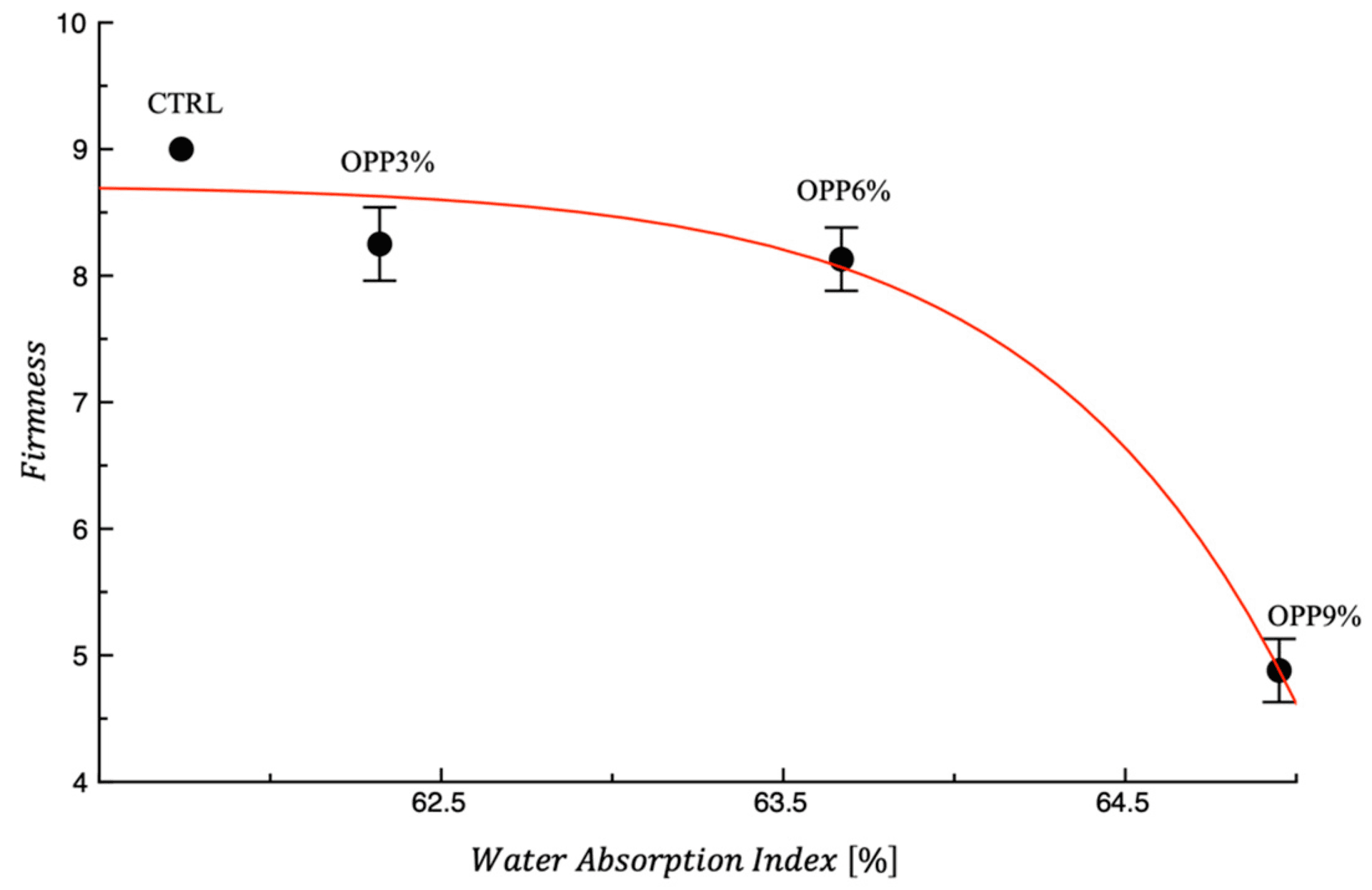
The catch is that pasta still has to taste like pasta. As the fortification level climbed, sensory acceptance weakened, and the 9% sample fell below the acceptability threshold with a score under 5. That is the moment where a good sustainability story stops being a real pasta story, because the bowl no longer clears the most basic test: would anyone want another forkful?
To balance those gains and losses, the researchers calculated a global quality index. The reported GQI values were 52.58 for the 3% sample and 51.86 for the 6% sample, and the team identified 6% as the optimal concentration overall. That is the key practical takeaway for anyone thinking about product development, because it suggests there is room for onion peel powder in fresh pasta, but not enough room to treat it as an all-purpose extender.
Why pasta keeps attracting by-product experiments
The appeal is easy to understand once you zoom out. The Food and Agriculture Organization estimates that roughly one-third of food produced for human consumption globally is lost or wasted, about 1.3 billion tons each year. The United Nations’ Sustainable Development Goal 12.3 pushes for a different future, one where retail and consumer food waste are cut in half by 2030. A pasta lab is not going to solve that alone, but it is exactly the kind of place where waste streams can be turned into ingredients people already know how to use.
This is also not the first time onion skins have entered a pasta formula. A 2020 study on onion skin powder found improvements in ash, fibre, phenolics, flavonoids, and antioxidant activity, while sensory quality still dropped as inclusion rose, with 2.5% replacement giving the best overall result. A 2021 review in the International Journal of Food Science and Technology reached the same broad conclusion in more general terms, calling by-product-enriched pasta promising but difficult because added ingredients can shift texture, color, flavor, and acceptability at the same time.
What still has to happen before this reaches a shelf
The study makes the strongest case for a moderate approach, not a maximal one. If a pasta maker were to move from the lab toward a commercial product, the 6% level would be the place to watch first, because it sits in the sweet spot between better functionality and an eating experience that still clears the threshold. The 9% sample shows the ceiling is real, and it is lower than sustainability marketing sometimes implies.
That is why this work feels so relevant to the next wave of pasta innovation. Red onion peels are not being sold here as a magic trick, but as a functional ingredient that could help pasta brands build a better sustainability story if they can keep the sensory profile intact. The challenge now is not proving the concept, it is preserving the familiar, satisfying character of fresh pasta while letting a discarded peel do some of the heavy lifting.
This article was produced by Prism’s automated news system from verified source data, official records, and press releases, then run through automated quality and moderation checks before publishing. The system is built and supervised by the people who set the standards it runs under. Read our full AI policy.
Did this article answer your question?