Rosmarino Osteria Italiana turns handmade pasta into an event
Rosmarino’s Newberg dining room has made handmade pasta hard to book, with five-course wine dinners and a tightly paced schedule driving the scramble.
Rosmarino Osteria Italiana has turned a dinner reservation into part of the experience. In Newberg, the appeal is not just the handmade pasta but the feeling that a table has to be earned, then enjoyed slowly, with the room set up for a proper night out rather than a quick stop.
The reservation problem
The restaurant sits at 714 E 1st St in Newberg, where OpenTable lists it as casual elegant and places the price range at $31 to $50. That same listing makes the scarcity plain: service is concentrated on Monday, Thursday, Friday, Saturday, and Sunday, with Friday and Saturday split into lunch and two dinner seatings, and Sunday also carrying a dinner window. In a room with a finite number of seats, that kind of schedule pushes popular times off the board fast.
Rosmarino also backs up the pressure with a strict cancellation policy that includes per-person fees for no-shows or late cancellations on different menu days. In a small dining room, that matters. The restaurant is built around a model where the seat is part of the product, and the reservation itself becomes the first commitment of the evening.
What Rosmarino is cooking
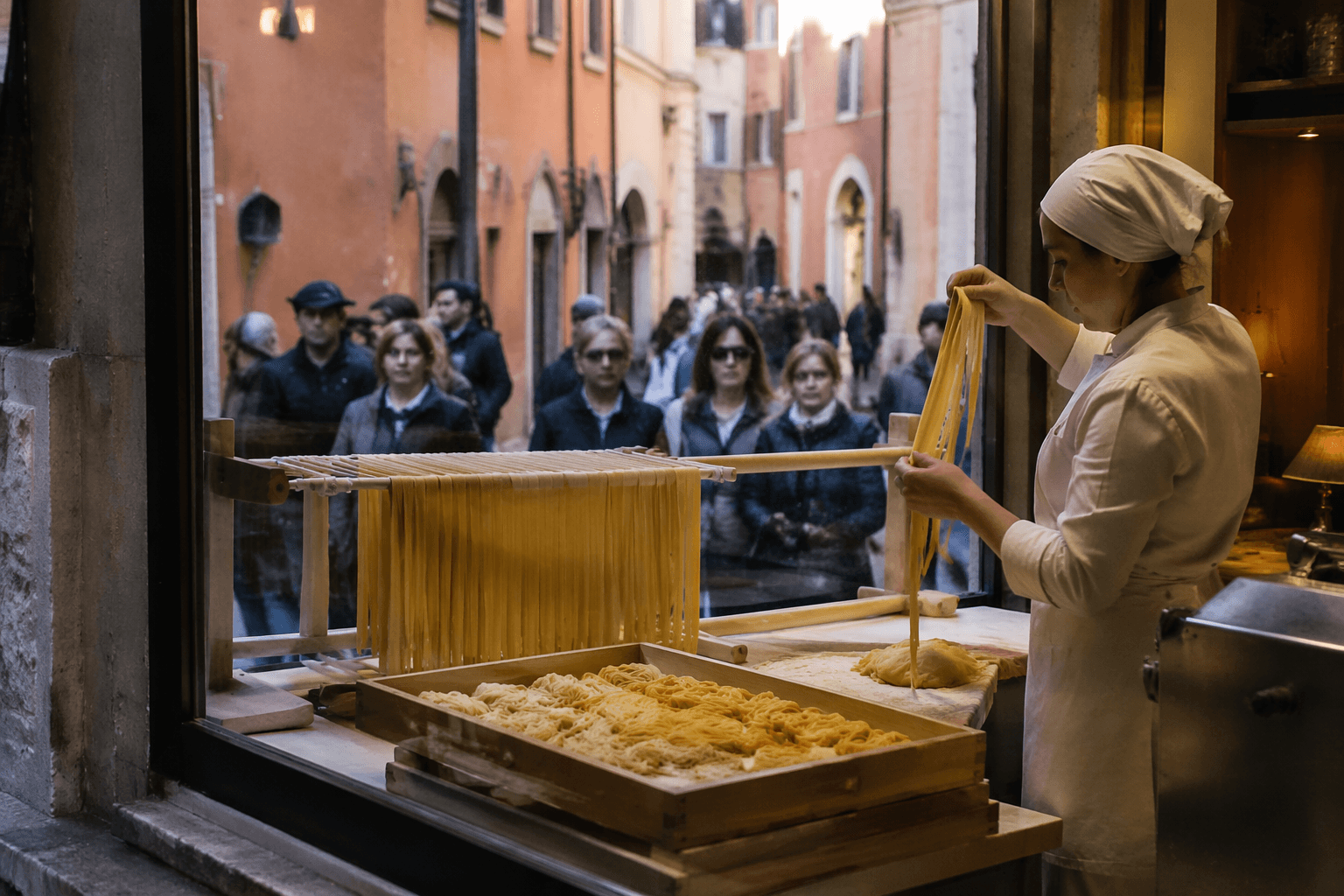
Rosmarino’s own site centers the kitchen on housemade pasta with imported Italian flour and ingredients, then stretches out from there into decadent sauces, slow-braised meats, Bolognese, pizza, gnocchi, and wine pairings in a cozy setting. That combination tells you a lot about the place: this is not a menu chasing novelty for novelty’s sake. It leans into a style of Italian cooking that values texture, restraint, and the long, careful build of flavor.
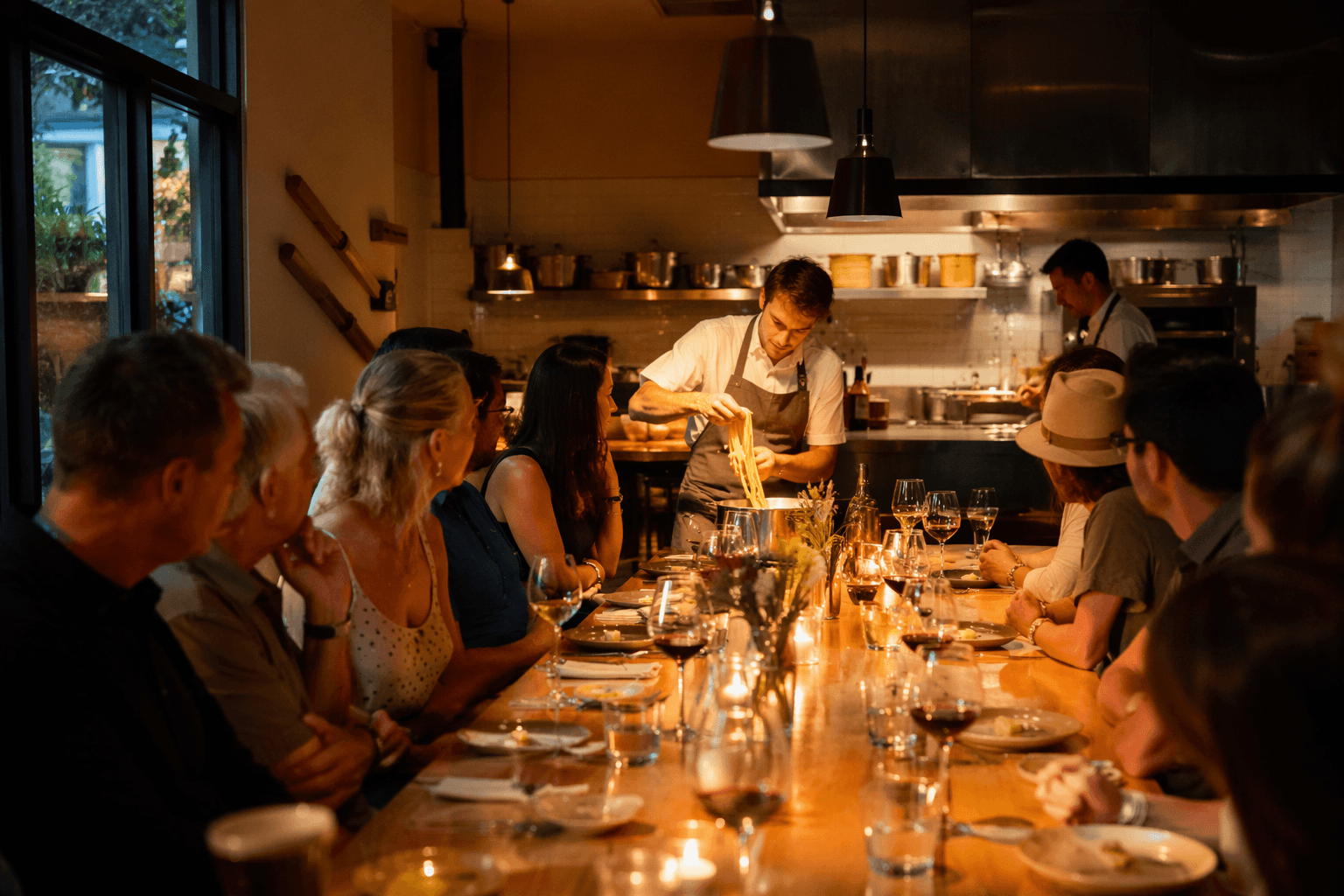
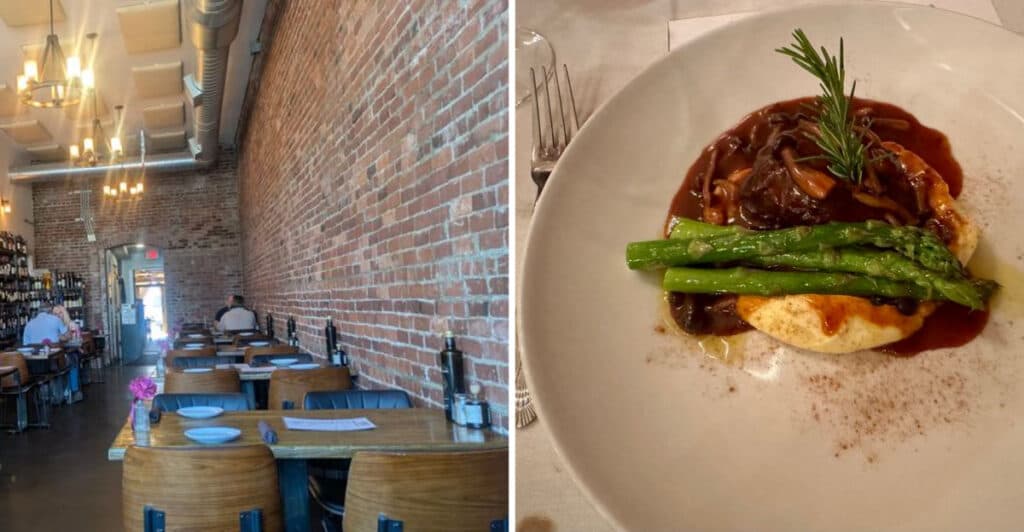
The room matches that approach. The dining room is described as warm and unhurried, with soft lighting and comfortable seating that encourage guests to settle in. That matters when the centerpiece is pasta made in-house and served in a setting that expects people to linger rather than rush through one plate and leave.
The five-course rhythm
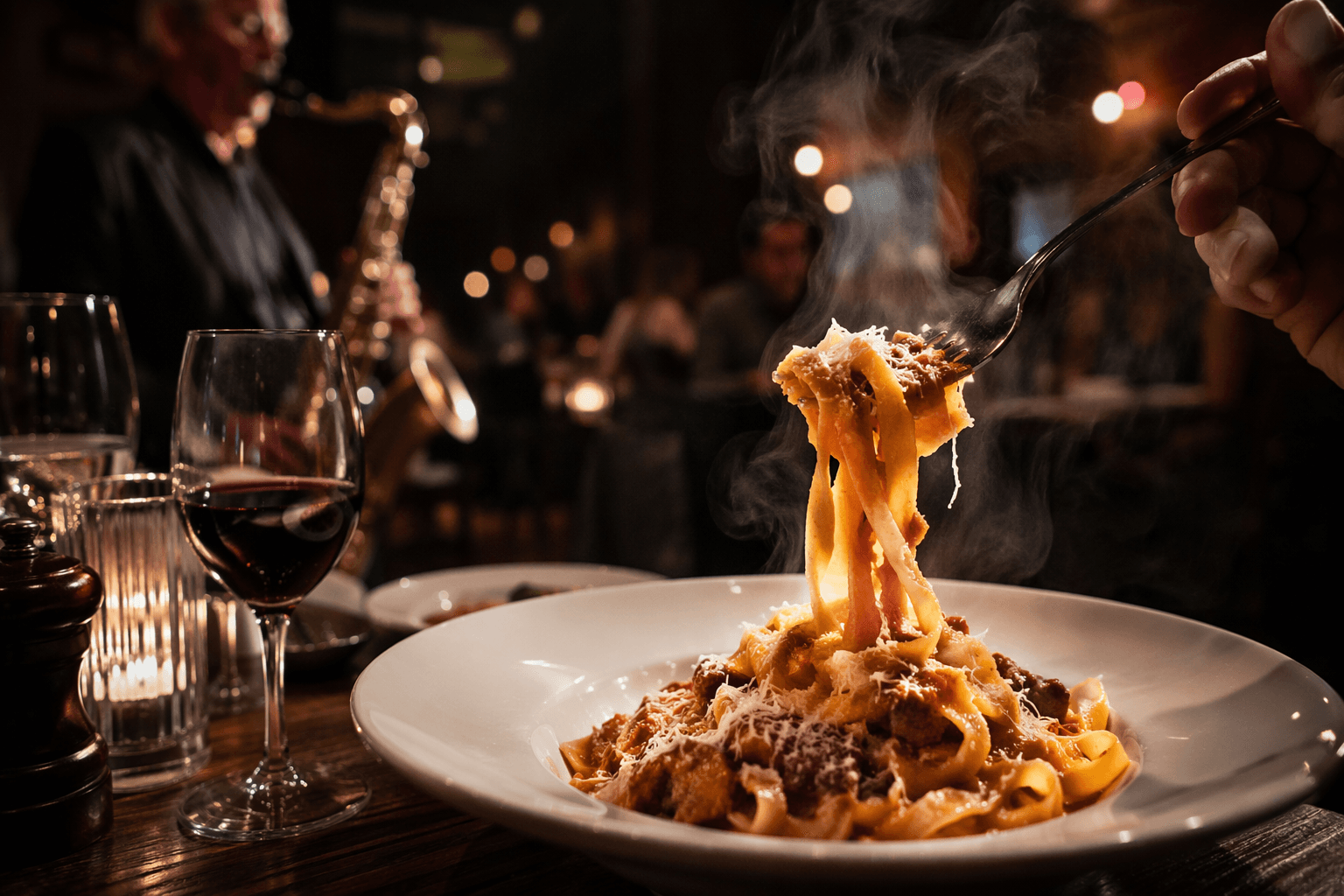
The real magnet is the Friday and Saturday five-course dinner. Rosmarino says those dinners are back, that the menu changes every week, and that the experience is framed as a little tour of Italy with Chef Dario and Sheena. Friday wine dinners are often co-hosted with Oregon wineries and winemakers, while Saturday is cast as Italian wine night with Dario’s storytelling.
That structure gives the meal a pacing that feels deliberate from the start. Instead of a single bowl of noodles, guests are buying into a sequence, one that puts pasta inside a broader evening of wine, conversation, and course-by-course movement. OpenTable’s own user-facing blurb reinforces that draw by pointing to Friday and Saturday evenings as the popular seatings for the theatrical five-course wine dinners, with Sunday positioned as a more relaxed pizza-and-gnocchi experience.
How the schedule shapes demand
Rosmarino’s hours help explain why reservations disappear so quickly. The restaurant does not operate every day, and the meal windows are limited enough that the service pattern itself becomes part of the scarcity. Friday and Saturday, in particular, are stretched across lunch and dinner seatings, while Monday, Thursday, and Sunday are much more compressed.
That layout makes Rosmarino feel less like a casual neighborhood stop and more like a destination with a timetable. If you want the five-course dinners, you are choosing a specific night, a specific pace, and a specific kind of evening. The restaurant’s model rewards planning, because the experience is built around the idea that once you are in, you stay with it.
From Newberg staple to destination table
Rosmarino’s public profiles say it opened in June 2015, and it moved into its current location in 2018. A podcast interview later described Dario Pisoni and Rosmarino as having been serving authentic Italian cuisine in the Willamette Valley for a decade, while also noting that the business survived COVID after settling into the current spot. That history gives the current demand a longer arc than a simple trend spike.
The location also matters. Newberg sits in Oregon wine country, which gives a restaurant like Rosmarino room to become part of the regional dining circuit rather than just a local stop. The mix of housemade pasta, wine pairings, and a restrained, course-driven format fits a market where diners are already inclined to plan a night around the table.
Rosmarino’s popularity makes sense because the restaurant has made the reservation, the pacing, and the menu work together. The hard part is getting in. Once the table is secured, the point is to settle in, let the courses unfold, and treat handmade pasta like the event it has become.
This article was produced by Prism’s automated news system from verified source data, official records, and press releases, then run through automated quality and moderation checks before publishing. The system is built and supervised by the people who set the standards it runs under. Read our full AI policy.
Did this article answer your question?