Simple pasta techniques can improve texture and sauce adhesion
Skip the oil, salt the pot, and finish pasta in the pan. These small Italian-school moves fix texture and sauce cling fast enough for a weeknight.
The five mistakes that wreck a weeknight bowl
If your pasta tastes fine but eats flat, the problem is usually not the sauce recipe. It is the little things that happen before and during the boil: too little water, weak seasoning, oil in the pot, neglecting the first stir, and draining before the pasta and sauce have had a chance to meet. The fix is refreshingly boring, and that is the point. A few disciplined moves turn an ordinary dinner into something with better bite, better gloss, and sauce that actually stays put.
Start with more water than you think
Pasta needs room to move. Barilla’s baseline is a large 8- to 12-quart pot that is about three-quarters full for 1 pound of pasta, which gives the noodles space to cook evenly instead of clumping or cooling the water down too fast. If you cook by smaller measurements, the same logic still applies: Barilla’s spaghetti guidance says 100 grams of pasta needs about 1 liter of water.
That ratio matters because texture starts in the pot, not in the sauce pan. Crowded pasta can go from stiff to gummy in a hurry, and a skimpy amount of water makes it harder to keep the boil steady. Plenty of water keeps the pasta moving and helps the surface starch release in a way that supports a better final sauce.
Salt the water like you mean it
Underseasoned pasta is one of the easiest mistakes to make and one of the hardest to fix later. Barilla recommends 1 tablespoon plus 1 teaspoon of salt per gallon of water, and its spaghetti packaging guidance translates that idea more precisely as 7 grams of salt for 100 grams of pasta. That is enough seasoning to flavor the noodle itself, not just the sauce sitting on top.
This is where a lot of home cooks undershoot. Pasta water should taste seasoned, because the noodle absorbs some of that salt as it cooks. When you get the water right, the finished dish needs less heroics from the sauce to taste complete.
Leave the oil out of the pot
The old habit of adding oil to boiling water still hangs around, but Barilla is clear that it does not prevent sticking and may actually interfere with sauce clinging to the pasta. That is the tradeoff that matters. A slick coating on the noodle can make the final sauce slide off instead of emulsifying into a glossy film.
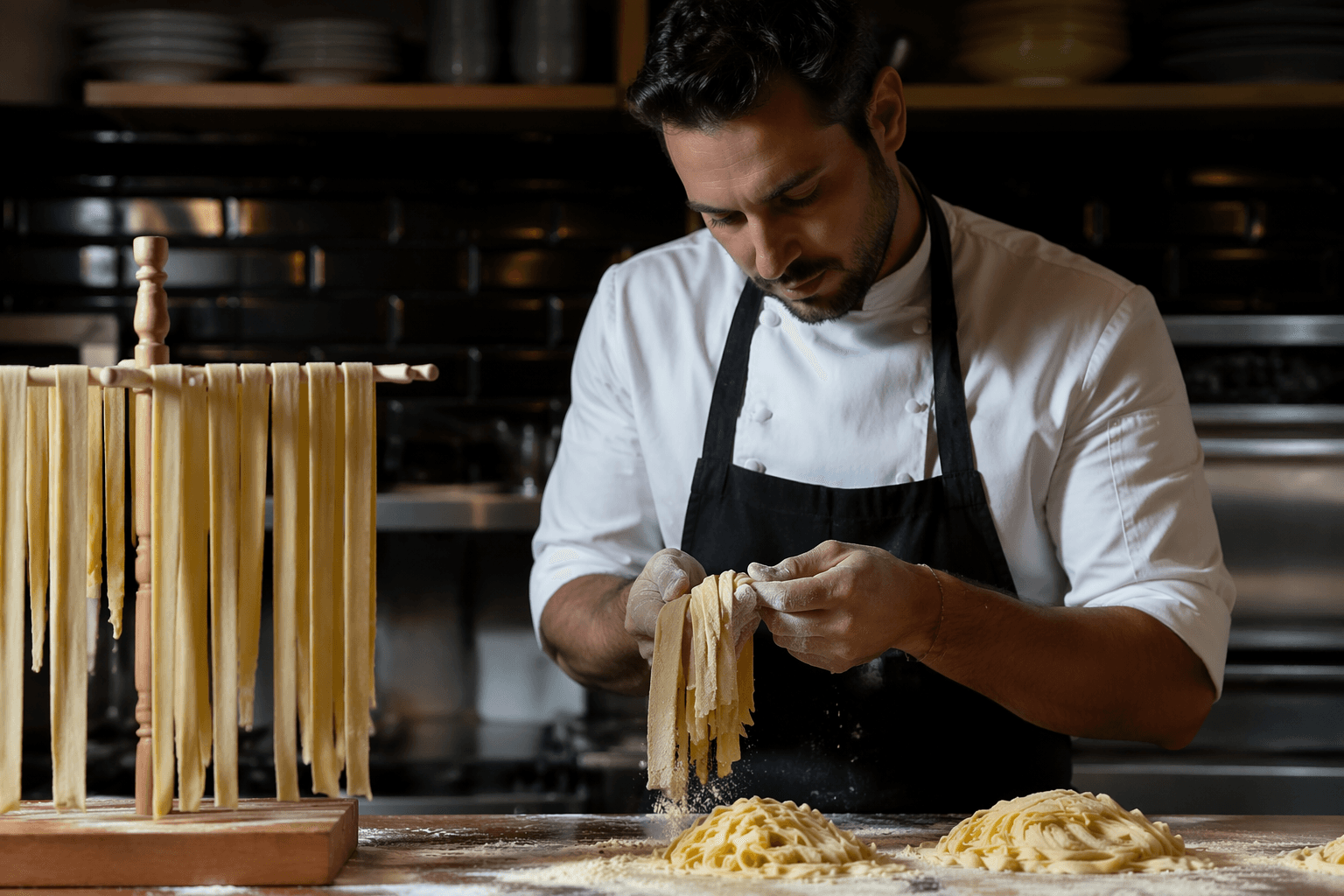
If you want better adhesion, skip the oil and focus on movement instead. Stir the pasta occasionally while it cooks so the strands separate naturally, especially in the first minutes after they go in. That one habit does more for texture than any splash of oil ever will.
Test early, then stop chasing mush
Great pasta is not cooked until it is soft all the way through. Italian-school cooking is built around al dente texture, which means the pasta still has a little resistance at the center and can finish in the sauce without turning pasty. The practical move is simple: test the pasta a couple of minutes before the package time says it should be done.
That early check gives you control over the final plate. You are looking for noodles that are almost there, because the last minute of cooking should happen with the sauce, in the pan, where starch, heat, and fat can work together. Eataly describes pasta cooking as a nuanced process, and this is the heart of that idea: the boil is only one step in a larger sequence.
Save the water, then use it to finish the sauce
Reserved pasta water is not a throwaway kitchen trick, it is the bridge between noodles and sauce. Barilla notes that starchy pasta water helps create an emulsion, which gives you a creamy sauce that coats the pasta instead of pooling underneath it. That is why the water you usually pour down the drain is often the most useful ingredient left in the pot.
The move is straightforward: before you drain, scoop out some cooking water, then add the pasta to the sauce and loosen it little by little. The starch helps the sauce cling and gives the whole dish a more unified texture. If the sauce looks tight, a splash of pasta water is better than plain water because it carries the very starch that makes the finish glossy.
Think of pasta and sauce as one dish
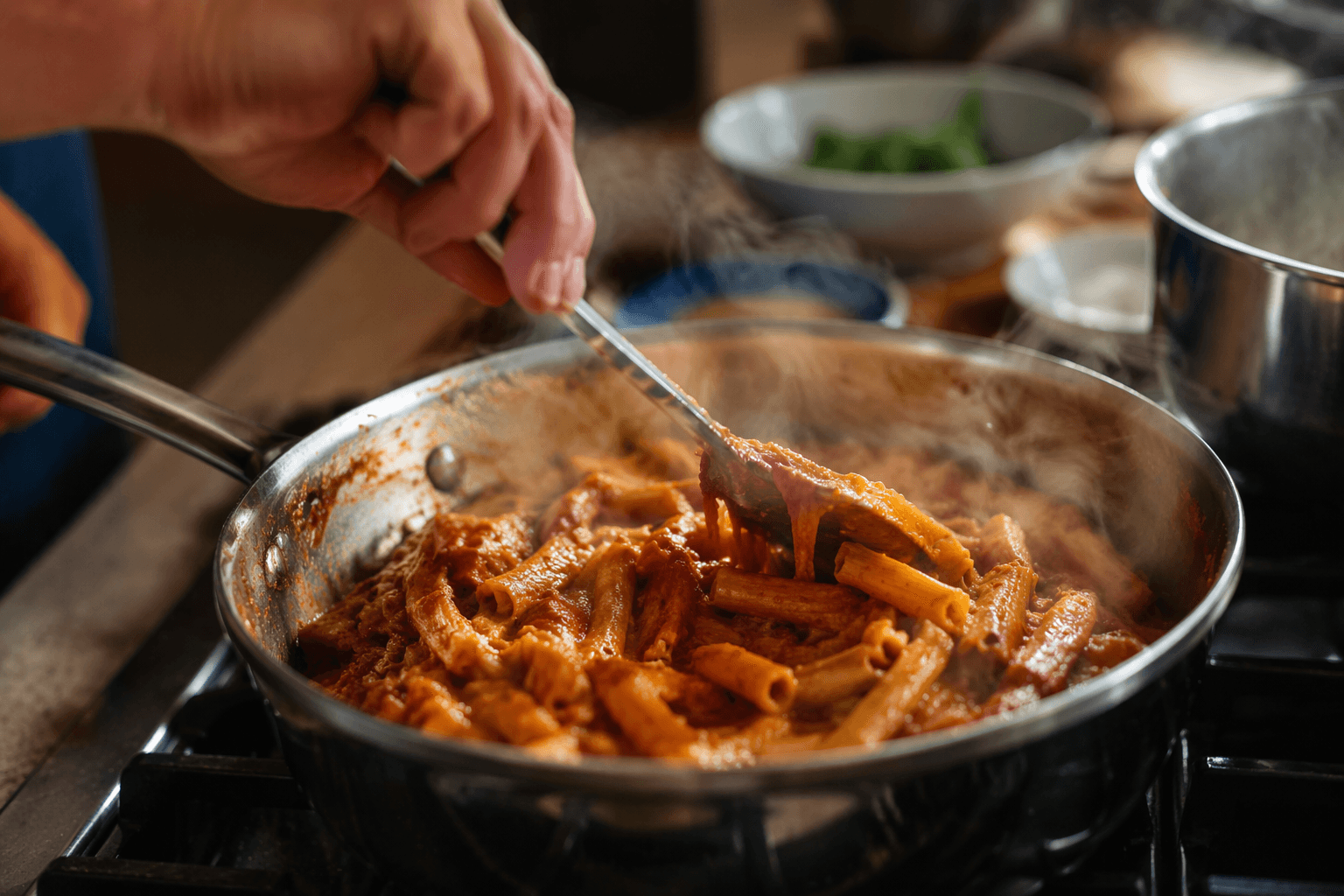
The biggest shift is mental. Pasta and sauce are not separate components that meet at the table, they are one system that should be assembled together. When you finish the pasta in the pan, you give the noodles time to absorb flavor, the sauce time to thicken around the starch, and the final dish time to become cohesive instead of patchy.
That is why so much Italian guidance sounds repetitive. Plenty of water, enough salt, no oil, stir occasionally, test early, reserve the water, finish in the pan. These are not internet superstitions, they are the mechanics of a plate that eats better.
Why Italian technique stays simple on purpose
There is a reason this style of cooking has lasted. UNESCO recognizes Italian cuisine as intangible cultural heritage, and describes it as rooted in artisanal techniques, respect for ingredients, and shared table traditions. That framing fits pasta perfectly. The craft is not about piling on complexity, but about handling a few basics with enough care that they add up.
History backs that up too. Food historians trace dried noodle traditions in Sicily to well before Marco Polo, and tomato sauce became common in Italian cooking only later. So the familiar red-sauce plate is just one chapter in a much older story. Pasta has always been about method as much as flavor, which is why the same small rules still work so well today.
The weeknight payoff is immediate. Use enough water, salt it properly, keep the pasta moving, and finish it with the sauce instead of next to it. Those are the moves that turn a bowl of noodles into pasta that actually holds its sauce, and they are simple enough to put to work tonight.
This article was produced by Prism’s automated news system from verified source data, official records, and press releases, then run through automated quality and moderation checks before publishing. The system is built and supervised by the people who set the standards it runs under. Read our full AI policy.
Know something we missed? Have a correction or additional information?
Submit a Tip