Sono opens in East Village with Korean-Italian pasta
Sono will bring handmade Korean-Italian pasta to the East Village, led by chef Sechul Yang and a bottle-ready bottarga pasta built for the opening-night conversation.
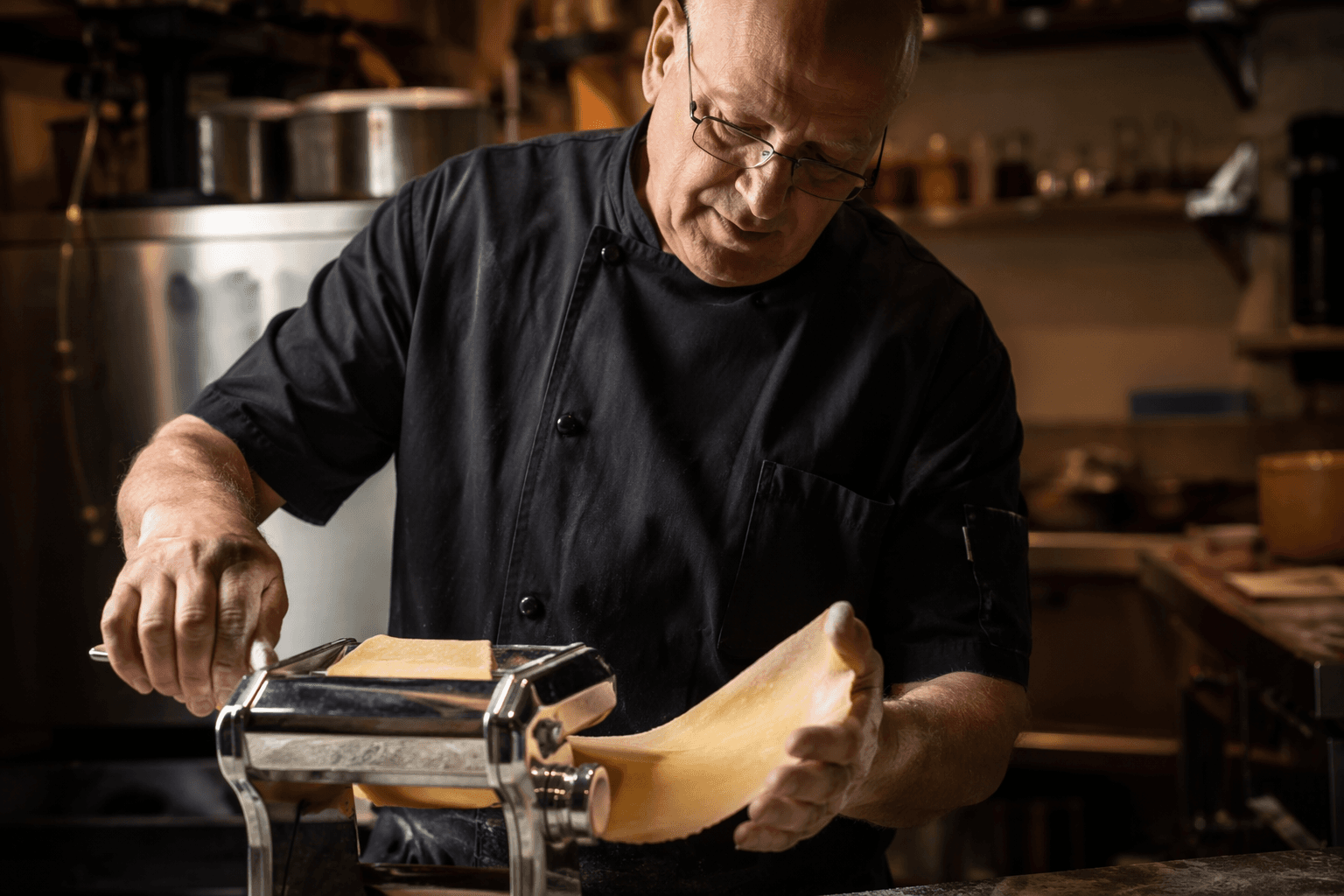
Sono will open in the East Village at 176 First Avenue near East 11th Street with a point of view that feels sharper than a standard fusion pitch: handmade pasta as the meeting ground between Korean pantry flavors and Italian technique. Chef Sechul Yang, whose resume runs through Gramercy Tavern, Maialino, Oiji Mi and DDOBAR, is using his first restaurant to turn that idea into a menu with a clear center of gravity.
Yang’s path explains why the place already feels personal. He came to the United States in 2010 to study at the Culinary Institute of America, joined Gramercy Tavern in 2012, spent nearly eight years at Maialino, helped reopen Oiji during the pandemic, and was part of the opening team for Oiji Mi, which earned a Michelin star. Before Sono, he served as executive chef and partner at DDOBAR. He has described the project as 70 percent Korean and 30 percent Italian, and the name Sono means “I am” in Italian, which fits the way the restaurant reads as a self-portrait rather than a concept cooked up for novelty.
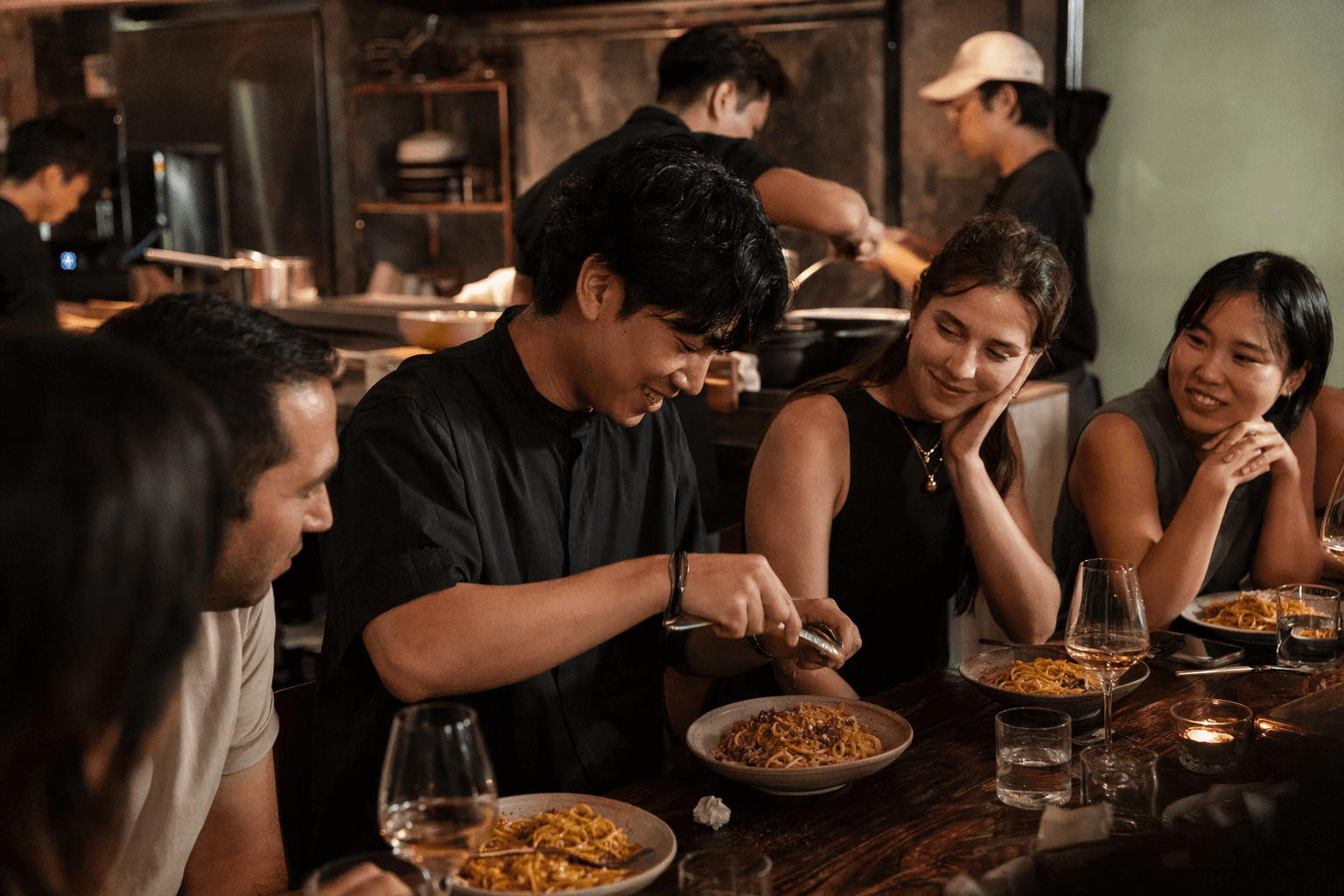
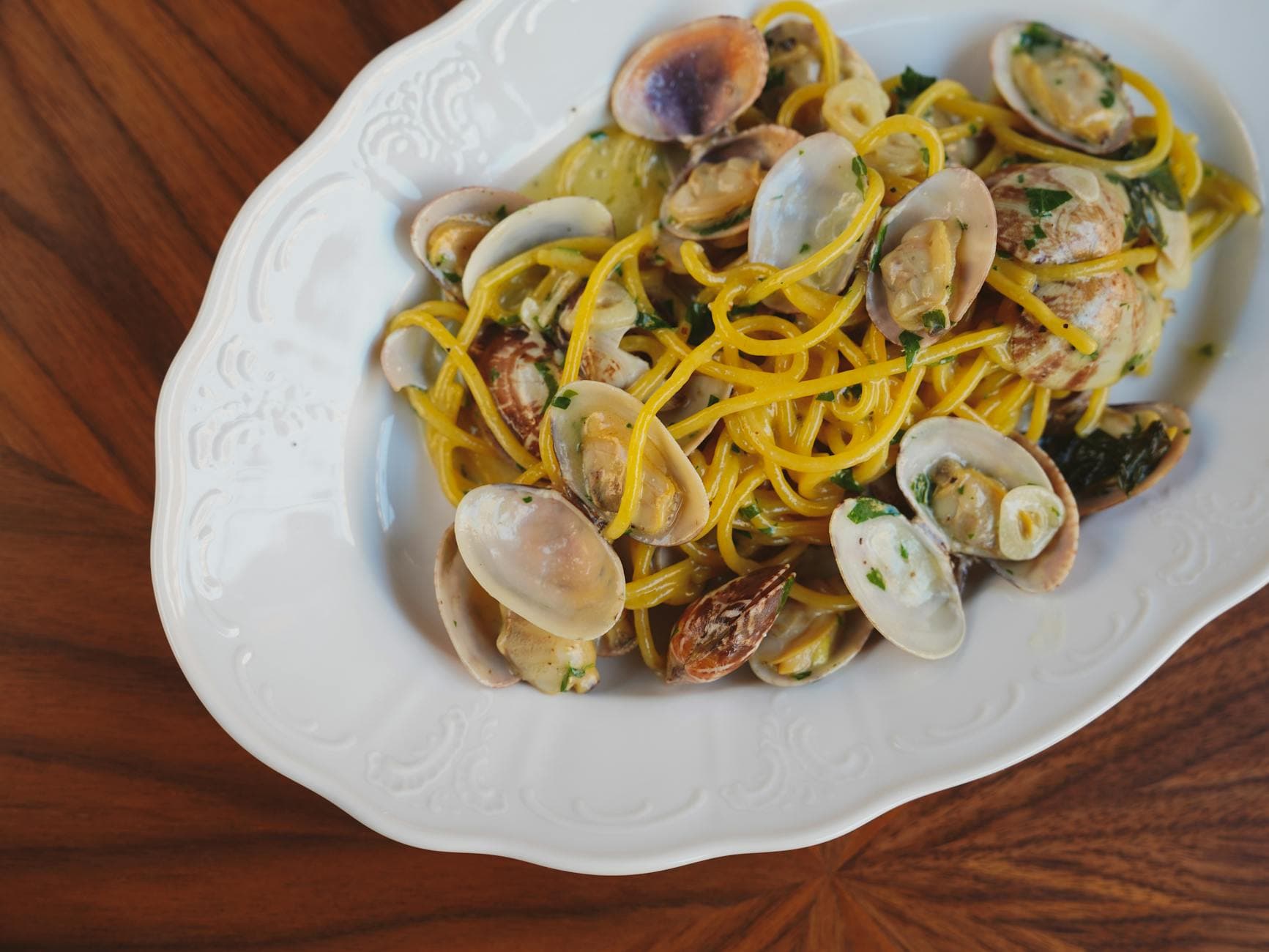
The clearest example is the bottarga pasta with Korean zucchini, pollock roe, nori and saffron butter. It is not just a flavor mash-up. The dish uses the salt-and-brine depth of bottarga and the seaweed note of nori to echo one another, while saffron butter gives the pasta the kind of richness that lets Korean ingredients sit inside an Italian frame without getting flattened. Early menu details also point to a chitarra with saffron and yellow-zucchini purée finished with myeongran, an oxtail fettuccine that bridges cacio e pepe and Korean ox-bone soup, and a clam linguine that riffs on kal guksu. That is the kind of menu that asks diners to think about texture as much as flavor: cut, chew, broth, sauce, and the way handmade noodles carry all of it.

The drinks list is built to match, with house-made or house-infused soju alongside wine, cocktails, beer and zero-proof options. The room itself is set up as a contemporary but warm trattoria with Korean touches, and the original plan called for 12 tables, 24 seats and a 10-seat bar. Proposed hours were 10 a.m. to midnight Sunday through Wednesday and until 1 a.m. Thursday through Saturday, which gives the East Village another late-night dining room in a neighborhood already packed with Korean, Italian and other global kitchens.
That matters because Sono is arriving in one of Manhattan’s most densely layered dining corridors, where a restaurant has to show its hand fast. Yang is doing that with pasta, not by chasing a gimmick but by using handmade noodles to connect two traditions that already share a language of comfort, sharing and precision. In the East Village, that is exactly the kind of opening that can cut through the noise.
This article was produced by Prism’s automated news system from verified source data, official records, and press releases, then run through automated quality and moderation checks before publishing. The system is built and supervised by the people who set the standards it runs under. Read our full AI policy.
Did this article answer your question?