UK plans to scrap tariffs on pasta to ease food inflation
Tariffs on pasta, cous cous and fruit juices could be cut to zero, a move ministers say would save UK businesses at least £17 million a year.

Pasta is one of the clearest places the government is trying to show action on the grocery bill. Ministers have moved to scrap tariffs on key food imports, including pasta, fruit juices, tuna and oranges, in a bid to ease food inflation and take some pressure off both household baskets and restaurant costs.
The first wave came on 13 April 2025, when the Department for Business and Trade and HM Treasury announced temporary duty suspensions on 89 products. Pasta and fruit juices were on that list, and officials said the change would cut costs by at least £17 million a year for UK businesses. That package was set to run until July 2027.
A later government notice widened the logic further, saying tariffs were being suspended on a selection of agricultural and food products to support households facing rising prices linked to the conflict in the Middle East. That list included fruits, fruit juices, pasta, cous cous and tuna, with the change due to be implemented in the coming weeks and to expire on 31 December 2028.
The fine print matters. These duty suspensions are temporary, they apply on a most-favoured-nation basis, and they are designed to keep UK and Crown Dependency importers competitive by removing or reducing duties on specific goods. In plain terms, that is meant to lower the landed cost of imported staples before they reach wholesalers, supermarkets and restaurant suppliers. Whether shoppers actually notice a cheaper packet of spaghetti or a lower-priced penne special on an Italian menu depends on how much of that saving gets passed through.
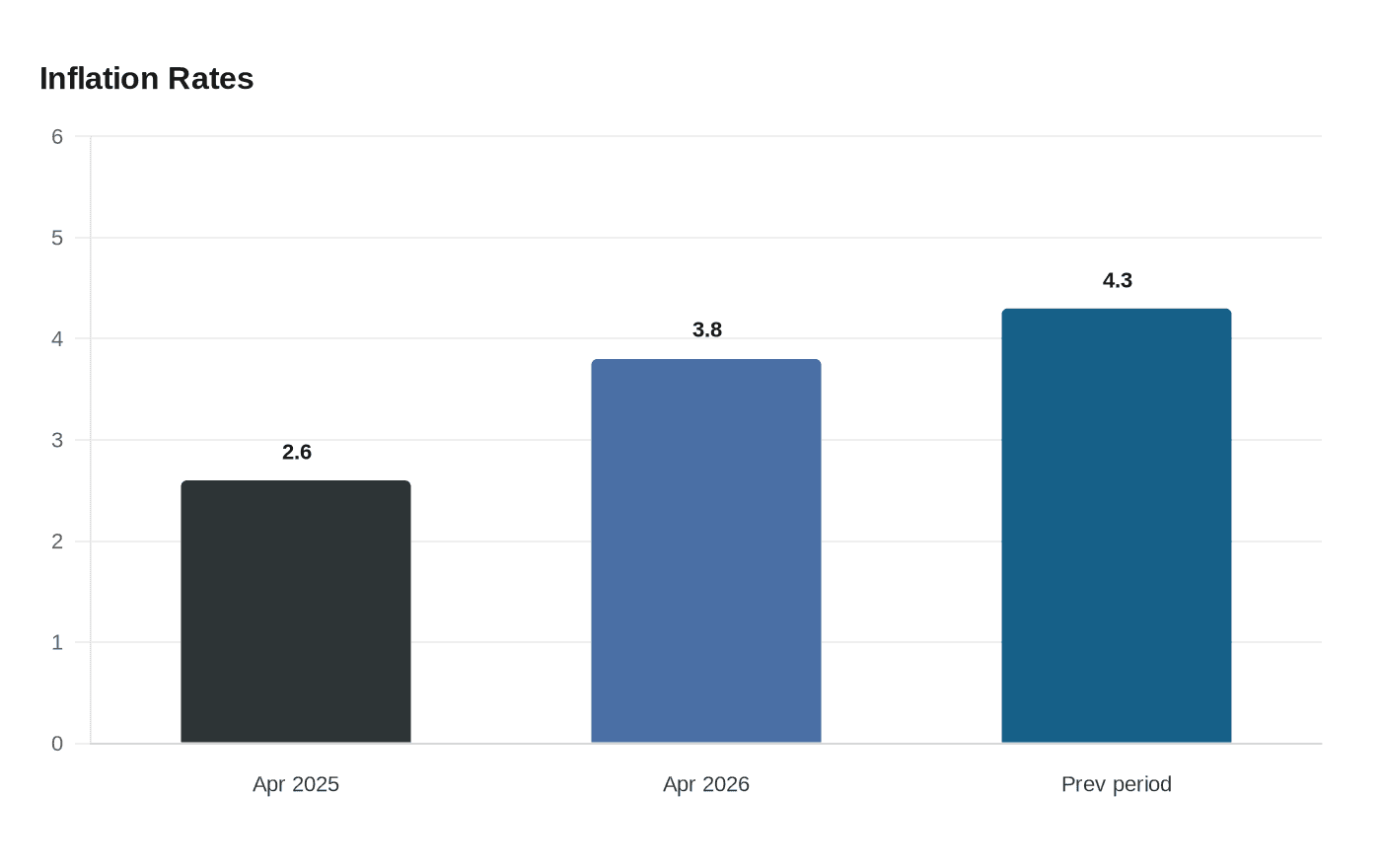
The timing is no accident. The British Retail Consortium said food inflation hit 2.6% in April 2025, the highest level in 11 months, while grocery prices were still rising at 3.8% in the four weeks to 19 April 2026, even after easing from 4.3% in the previous period. Bread, meat and fish were still climbing on the month, keeping pressure on shopping bills across the country.
Pasta also has its own place in the inflation data. The Office for National Statistics tracks pasta products and couscous as a separate CPI category, a reminder that this is not just a policy headline. It is a line on the shelf, a line in the restaurant ledger, and one more test of whether tariff cuts can move from Whitehall promise to a cheaper plate in the real world.
This article was produced by Prism’s automated news system from verified source data, official records, and press releases, then run through automated quality and moderation checks before publishing. The system is built and supervised by the people who set the standards it runs under. Read our full AI policy.
Did this article answer your question?