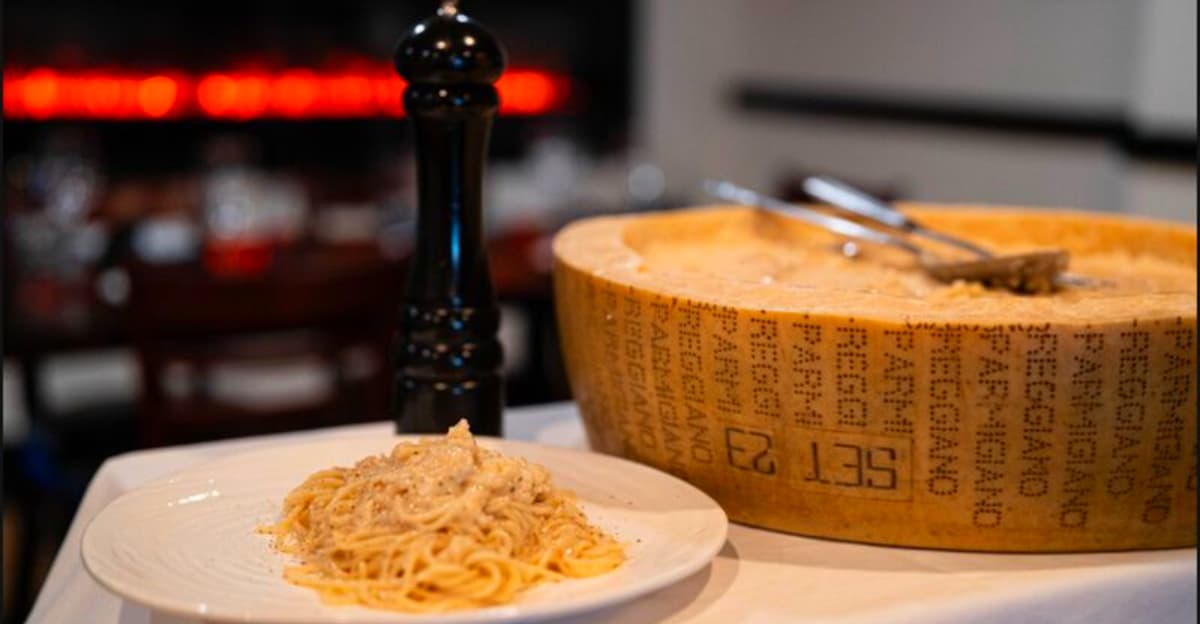
Why fresh pasta dough is really a texture problem
Fresh pasta gets easier when you stop chasing perfect ratios and start reading the dough. Texture, rest, and a little flour judgment solve the most common failures fast.
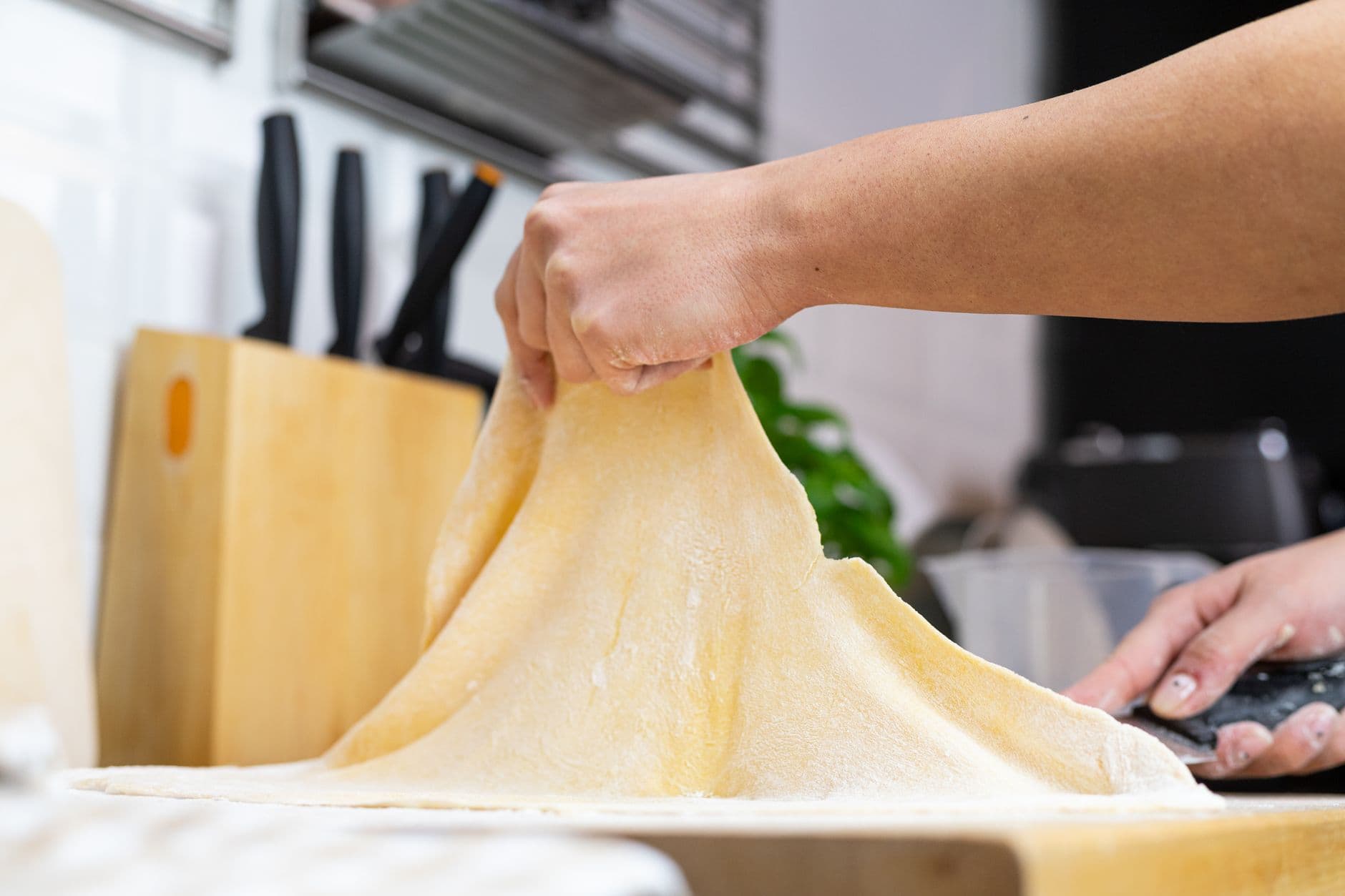
Fresh pasta is one of those kitchen skills that looks mysterious until your hands learn the language. The dough is not really asking for mathematical obedience, it is asking to be understood: shaggy before kneading, elastic before rolling, smooth enough to rest without cracking, and just dry enough on the surface to stop clinging to everything in sight. That shift in attention changes the whole process, because eggs vary, flour behaves differently from brand to brand, and even humidity can push a batch toward stiff, sticky, or stubborn.
Read the dough before you read the recipe
The easiest way to get lost with fresh pasta is to treat the flour-to-egg balance like a fixed law. King Arthur Baking’s basic method starts simply, with eggs and flour, plus 1 to 2 tablespoons of water as needed, and recommends weighing the flour so you can keep the batch consistent from one try to the next. That matters, but only up to a point. The real test is whether the dough comes together with enough strength to roll thin and enough softness to stay supple inside.
Think of the target as a living middle ground. If the dough feels dry enough to resist kneading, a little water can bring it back. If it feels wet and greasy, a dusting of flour and a short rest often does more than panic-kneading ever will. The goal is not a flawless number on a page, it is a dough that gives under your fingers without collapsing.
What the first mix should feel like
The beginning is supposed to look rough. Flour and eggs mixed together should form a shaggy mass before it becomes a true dough, and that early mess is not a sign that something went wrong. Kneading is where the rough edges disappear and the dough turns cohesive, which is why fresh pasta rewards patience more than force.
If the dough is too dry at this stage, it usually feels crumbly and refuses to knit together. If it is too wet, it smears and sticks instead of gathering. In both cases, the correction is tactile: add moisture in tiny amounts when it is resisting you, or add flour sparingly when it is spreading under your palms. The dough should end up elastic, not brittle, and smooth without being slick.
Rest is not downtime, it is the fix for snap-back
A lot of pasta trouble starts after the kneading is technically done. King Arthur’s guidance stresses that the dough needs a brief rest so the gluten can relax, which is what keeps it from snapping back when you start rolling. That snap-back feeling is the giveaway that the dough is too tense, not too wet, and the answer is usually time rather than more muscle.
Resting also helps prevent tearing. When the dough settles, it becomes easier to stretch into a sheet without fighting every pass of the rolling pin or machine. If your dough keeps resisting, treat that as a message: it needs a pause before it needs another adjustment.
Roll in stages, not in one heroic push
Fresh pasta should be rolled gradually. Forcing it thin all at once leads to uneven sheets and a surface that never quite gets that silky, even finish. King Arthur’s technique advice points toward precise, thin sheets for machine work, but the same principle holds by hand: stretch a little, rest if needed, then stretch again.
That staged approach matters because the sheet is doing two jobs at once. It has to thin enough for delicate texture, yet stay strong enough to survive shaping and cooking. If you are making stuffed pasta or a light, delicate noodle, you want a thinner sheet. If you are making wider noodles meant for butter, cheese, or ragù, a slightly sturdier sheet gives you more bite and better structure.
Sticky, dry, tough: the three failure modes you can feel immediately
Sticky dough usually means the surface is too moist, not that the whole batch is ruined. A light dusting of flour and a few minutes of air-drying on a floured surface can make a just-rolled sheet much easier to handle. That tiny dry-down is often the difference between pasta that cuts cleanly and pasta that slumps into itself.
Too dry shows up in a different way. The dough feels stubborn, cracks at the edges, or refuses to knead into a single mass. That is when the smallest addition of water matters most. Too tough after cooking is often a sign that the dough started out too strong, or that it never got enough rest, so gluten stayed tense instead of relaxing into a tender bite.
There is also a practical fix for dough that is consistently difficult to roll. King Arthur’s 2025 guidance says adding some durum flour can improve extensibility, which is useful when you want a dough that stretches instead of snapping back. That kind of adjustment is exactly why fresh pasta is a texture problem first and a formula second.
Choose flour for the job, not just the pantry
King Arthur recommends Italian-style flour for more delicate sheet pasta, and that advice fits the way the dough behaves on the board. Weighing the flour helps keep your batches repeatable, but the flour itself still changes the character of the pasta. A pasta flour blend or Italian-style flour can give you a softer, more refined sheet, while durum flour can add strength and stretch when you need it.
King Arthur also notes that homemade pasta can be made with just eggs and flour, with a little water as needed. That simplicity is part of the appeal, but it is also why flour choice matters so much. When the ingredient list is this short, every texture decision shows.
Fresh and dried pasta are built for different purposes
Britannica draws a useful line between pasta secca, usually machine-made from flour and water, and pasta all’uovo, usually handmade from flour and eggs. That distinction is more than technical trivia. It explains why fresh egg pasta feels richer and more tender, while dried pasta serves a different role in the pantry and on the plate.
Italian pasta shapes were historically developed for specific jobs, including holding sauce and retaining heat. That is the hidden logic behind so many forms: shape is not decoration, it is performance. Tortellini belongs to Emilia-Romagna, especially Bologna, and spaghetti was probably introduced to Sicily by Arab conquerors in the 8th century, reminders that pasta has always evolved through regional taste and movement.
Why texture thinking fits Italian pasta history
Italian cuisine is strongly regional. Britannica notes that the north often leans on butter, rice, polenta, and cheeses, while the south emphasizes pasta and olive oil. Fresh pasta fits neatly into that regional identity, especially where handmade egg dough became part of the local rhythm of cooking.
That history is useful because it keeps the modern cook from treating pasta like one universal template. A dough for stuffed tortellini in Bologna is not the same creature as a long noodle headed for a ragù, and a sheet that feels perfect for one use may be wrong for another. Once you start judging by feel, the dough tells you which tradition it wants to join.
In the end, fresh pasta stops being a guessing game the moment you stop worshipping exact ratios and start trusting your fingertips. The dough that felt shaggy, then elastic, then just dry enough to cooperate is the same dough that rolls cleanly, cuts neatly, and cooks with tenderness instead of toughness. That is the real breakthrough: not a perfect formula, but a better sense of when the pasta is ready to become itself.
This article was produced by Prism’s automated news system from verified source data, official records, and press releases, then run through automated quality and moderation checks before publishing. The system is built and supervised by the people who set the standards it runs under. Read our full AI policy.
Know something we missed? Have a correction or additional information?
Submit a Tip