Pathfinder 2e feats shape every major character choice
Pathfinder 2e’s four feat buckets are the real build engine, turning ancestry, class, skills, and utility into different table decisions as your character grows.
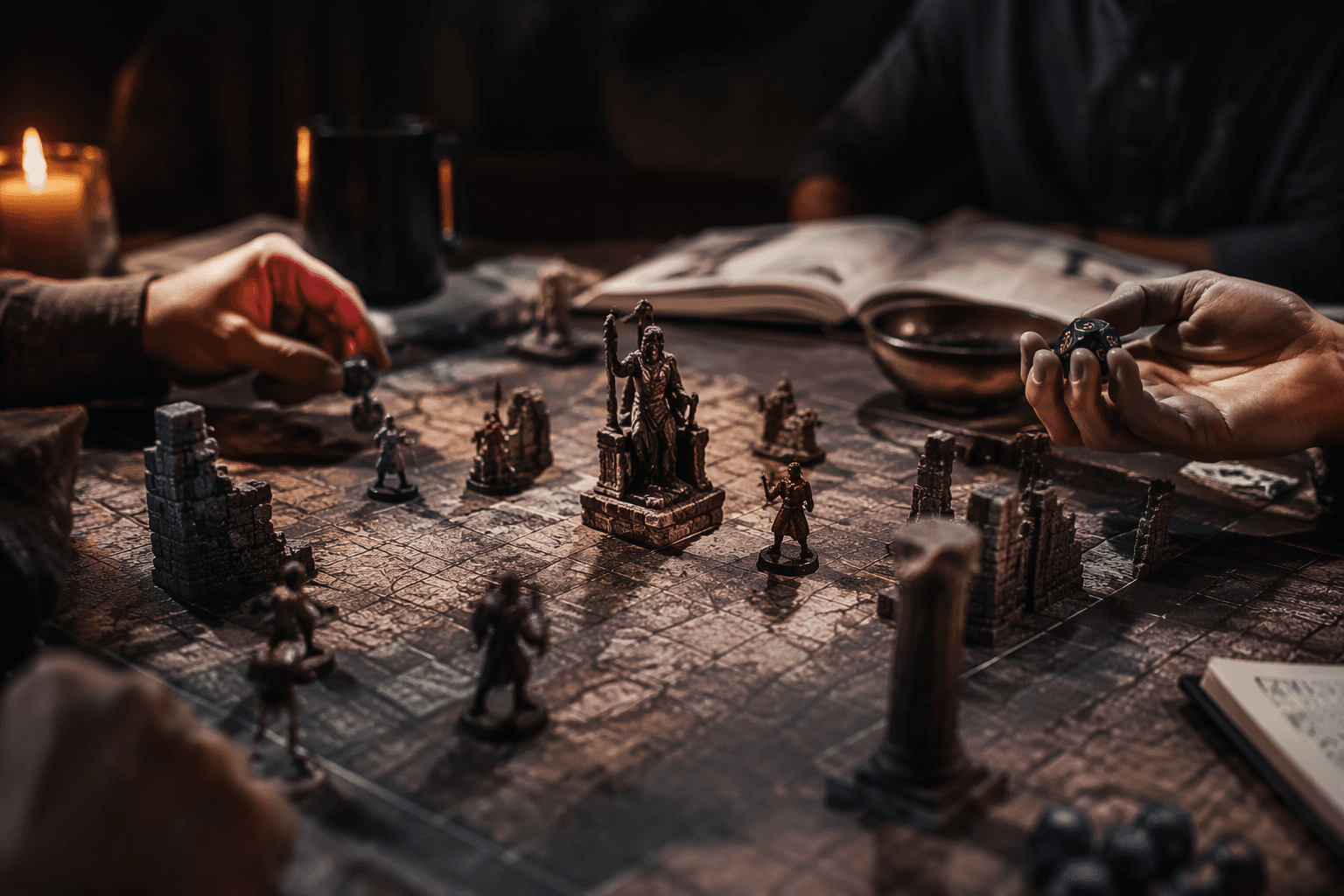
Ancestry feats, class feats, skill feats, and general feats are four separate tools in Pathfinder 2e, and each one answers a different player need at the table. The game does not treat feats as occasional bonuses or niche optimization picks. Customization lives in feats, not in broad labels on a character sheet.
The four-bucket structure is the system
Pathfinder 2e's rules layout keeps separate pages for feats, general feats, ancestry feats, class feats, and skill feats in Archives of Nethys, and that split mirrors how the game organizes character growth. General feats and skill feats are not lumped into one catch-all pile, because Pathfinder 2e uses each category for a different job.
That separation is the reason characters in second edition feel so deliberately built. An ancestry feat shapes what your heritage does in play. A class feat shapes what your class does in combat or in a key routine. A skill feat turns a trained skill into a more reliable tool. A general feat rounds out the build with broad utility that can keep paying off for the entire campaign.
Why the 2019 launch matters
This structure was not a later patch on top of an older rules engine. Paizo announced Pathfinder Second Edition’s release date as August 1, 2019, and the launch-day blog post was titled “Pathfinder Second Edition Launches NOW!” On that day, Paizo publisher Erik Mona said the launch slate would provide “everything you need to set out on a world of limitless fantasy adventure.”
The feat system was built into second edition from the start. Pathfinder 2e was designed around modular choice, with feats doing the heavy lifting that older systems often spread across broader class features, racial traits, or ad hoc optimization.
Ancestry feats make heritage matter
Ancestry feats are where your character’s heritage becomes mechanically visible. An elf, dwarf, goblin, or human is not just a line on the sheet once those feats start coming online. The right ancestry feat can improve movement, add special senses, grant resistance, deepen training, or represent a cultural trick that changes how your character navigates the world.
Two characters of the same ancestry can still feel meaningfully different because one leans into mobility, another into toughness, and another into a social or exploration edge.
Class feats define what you do every round
Class feats are the backbone of your combat identity. This is where Pathfinder 2e stops treating a class like a broad template and starts turning it into a play style. Fighters can push toward reaction-heavy defense, weapon mastery, or battlefield control. Rogues can lean into mobility, sneaking, debuffs, or precision damage. Wizards can reshape how spells are prepared, delivered, or amplified.
This is the category you feel most often at the table. If you choose feats that reward reactions, you start playing like a defender who punishes movement. If you choose feats that improve control, you become the character who shapes enemy positioning. If you choose options that amplify spellcasting, your wizard specializes in how spells are prepared, delivered, or amplified.
Skill feats turn training into a reliable routine
Skill feats are one of the most underrated parts of Pathfinder 2e because they often look small on paper. In practice, they can completely change how trustworthy a skill becomes. Battle Medicine and Assurance are the best-known examples here, because they show how a skill can become a repeatable tool you trust in stressful situations.
Medicine is the clearest example of the system at work. Battle Medicine helps create a reliable out-of-combat healing loop, and Assurance gives you a steadier result when the dice are not cooperating. Other skill feats broaden exploration, social scenes, crafting, stealth, and wilderness play, which is why characters who want to matter outside combat usually cannot ignore them.
General feats keep the build stable
General feats are the broad utility layer. This is where staples like Toughness and Fleet come in, along with other universally useful choices that help almost any build survive, move, or act sooner. They are usually less flashy than class feats, but they are the kind of picks that quietly hold a character together over a long campaign.
Their value comes from consistency. Toughness makes a character harder to drop. Fleet improves movement in a game where positioning matters every round. Because general feats sit apart from skill feats in the rules structure, they stay focused on broad usefulness instead of trying to duplicate the job of specialty picks.
A sample build path shows how the system changes at the table
Take a straightforward fighter and track the choices as they come online. At the ancestry stage, an ancestry feat can establish whether that fighter feels more resilient, more mobile, or more culturally specific than another fighter of the same ancestry. At the class stage, a fighter feat can push the character toward defense, weapon mastery, or control, which changes what that character does every round.
By the time you add a skill feat such as Battle Medicine, the fighter gains a real support role between fights and during a scramble. Add Assurance and that healing routine becomes more dependable when the pressure is high. Later, a general feat like Toughness helps the same fighter stay on their feet longer, while Fleet changes how quickly they can get into the right place when the battlefield opens up.
This article was produced by Prism’s automated news system from verified source data, official records, and press releases, then run through automated quality and moderation checks before publishing. The system is built and supervised by the people who set the standards it runs under. Read our full AI policy.
Did this article answer your question?