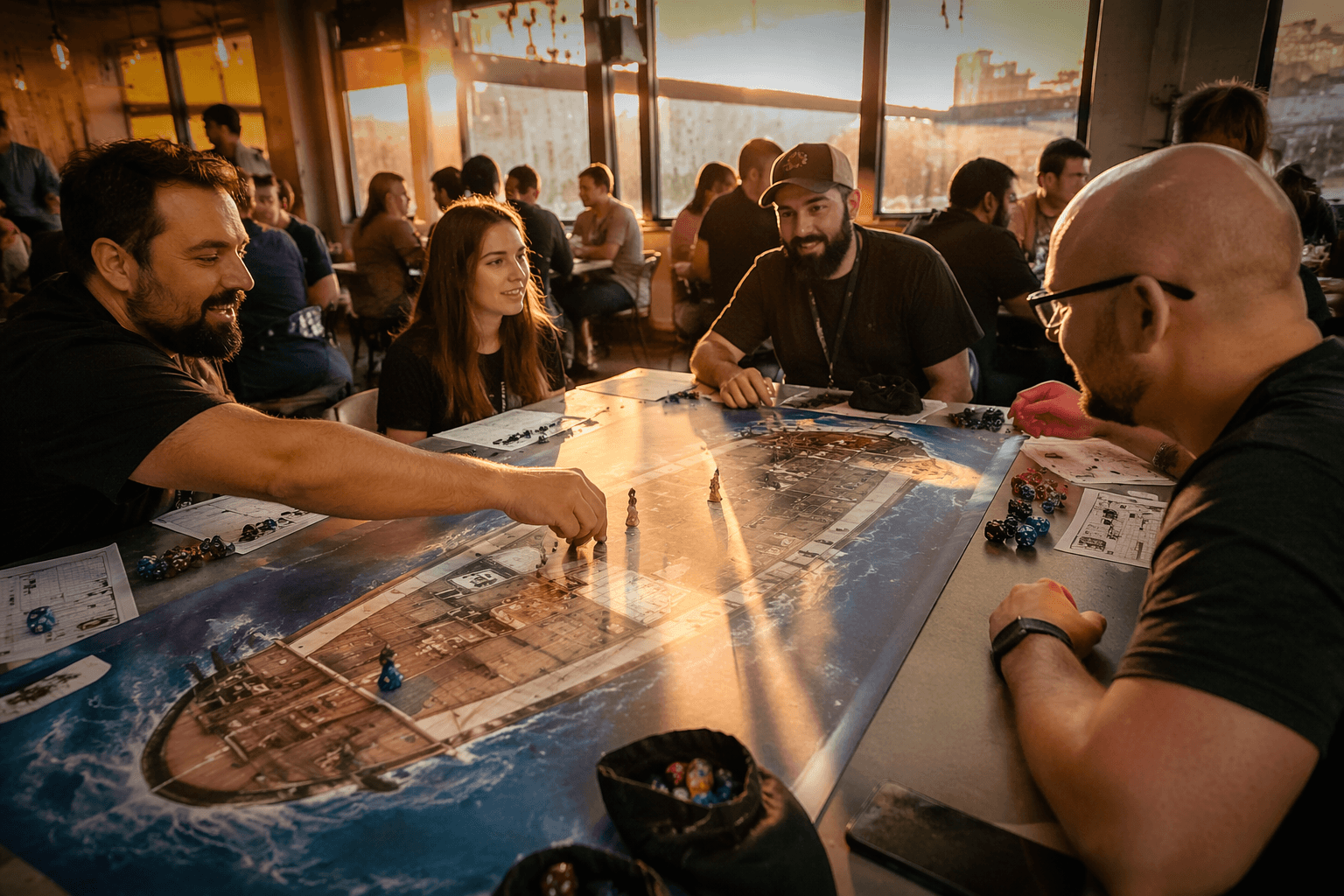
Pathfinder’s Hellfire Dispatches Brings Human Stakes to War Storytelling
Hellfire Dispatches works when war stops being scenery and starts hurting real people. Its best material turns the Hellfire Crisis into politics, fear, and consequences you can play.
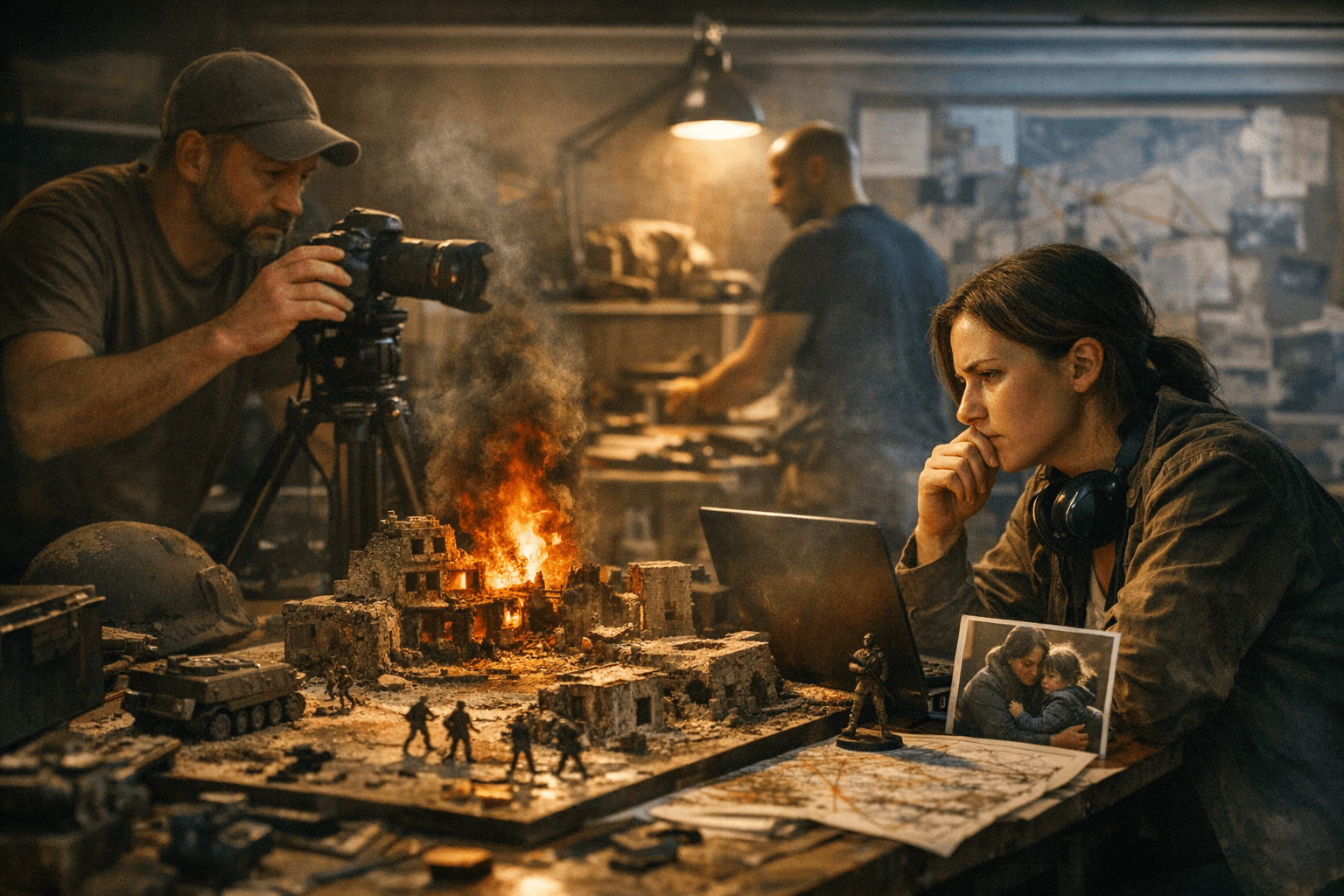
War stories need more than a battlefield
The smartest thing Pathfinder Lost Omens: Hellfire Dispatches does is refuse to treat war as a pile of combat modifiers. The review frames the book as a 128-page Paizo hardcover or PDF that delivers player and GM options alongside setting material, but the real hook is its focus on the human side of the Hellfire Crisis. That matters because a war book can have all the tactical support in the world and still feel hollow if it never gives you a reason to care who is suffering, who is making the calls, and what the conflict does to the places your campaign keeps returning to.
That is where this book sounds sharper than a standard lore dump. It is not just asking whether your party can survive a front-line engagement. It is asking what the war does to culture, fear, loyalty, and everyday life. For a Pathfinder table, that is the difference between a setting you fight through and a setting you actually inhabit.
What the book is built to do
Hellfire Dispatches is not presented as a pure rules package, and that is the key to why it feels usable at the table. The review says some sections lean into front-line action and player or GM options, while the broader presentation emphasizes the setting and the emotional weight of the Hellfire Crisis. That combination gives you two lanes to work with: the immediate problem of adventuring in a war zone, and the slower, messier work of showing how the conflict reshapes communities.
That structure is practical for a campaign. If you want a war story to feel alive, you need more than encounter fodder. You need material that lets you decide what the war means in a town, a border region, a command tent, or a refugee camp. The book’s strength, as described in the review, is that it appears to support that kind of play instead of forcing everything back into a tactical loop.
Why the human stakes matter at the table
The review’s core argument is simple: large-scale conflict becomes memorable when it is filtered through people. Not abstractions, not banners, not talking points, but actual motivations and consequences. That is why Hellfire Dispatches is positioned as stronger when it captures fear, culture, and emotional weight rather than just delivering another round of battlefield framing.
If you run Pathfinder often, you know how fast a war storyline can flatten out. One battle becomes another, one front line looks like the next, and suddenly the campaign feels like a sequence of combats with different scenery. Hellfire Dispatches seems designed to interrupt that slide by giving you the material to ask harder questions: who is being asked to sacrifice, who benefits, who is trying to keep a community together, and what does survival cost after the smoke clears?
That is also why the book reads as more than a Hellfire Crisis tie-in. The review suggests it understands that war stories do not all take the same shape. Some are tactical. Some are political. Some are personal. The best war material lets you move between those modes without losing the emotional thread.
How to mine it for actual campaign use
If you want Hellfire Dispatches to earn its place on your table, treat it as a story engine, not a shelf trophy. Use the player and GM options for the scenes that need mechanical support, then lean on the setting material when you want the war to hit harder than a hit point total ever could.
A good way to approach it is to build your sessions around consequences rather than just objectives:
- Put NPC motivations in the foreground, not the battlefield map.
- Let the Hellfire Crisis change who people trust, fear, or follow.
- Use political and social texture to make each region feel different.
- Treat battlefield victories as only one part of the cost of war.
That approach fits the book’s reported strengths. The review points to political, social, and regional texture as part of its appeal, which means you are not limited to combat scenes. You can use it to frame negotiations, strained alliances, local unrest, and the pressure that builds when a conflict stops being distant and becomes personal.
Why Lost Omens identity matters here
The review also argues that Hellfire Dispatches has a stronger Lost Omens identity than some earlier war-themed Pathfinder releases. That is not a small point. A setting book is most useful when it feels like it belongs to the world you are already playing in, not like a detachable rules insert. Here, the distinction seems to be that the book connects war to the lived reality of Pathfinder’s world instead of treating it as a standalone military exercise.
That is where the comparison to Battlecry! and War of the Immortals comes in. The review says those books were well executed, but sometimes felt thin on the human element that makes a setting feel personal. Hellfire Dispatches is praised for doing better on that front. In practical terms, that means more opportunity to run campaigns where war matters because it touches people, not just because it changes the combat calendar.
For GMs, that is the kind of difference that pays off fast. A war book with a stronger Lost Omens identity gives you more than a map of where the fighting is. It gives you a tone to work from, a sense of stakes to carry across sessions, and enough setting context to make the conflict feel local even when it is part of a larger crisis.
Why this one is worth the table space
Hellfire Dispatches looks like the sort of Pathfinder sourcebook that knows exactly what it wants to be. It has the player and GM material, it has the setting information, and it has enough focus on the emotional weight of the Hellfire Crisis to keep the war from turning into empty spectacle. That makes it a better fit for groups that want to run war stories without letting every session collapse into a pure tactical exercise.
The bigger takeaway is what makes a Pathfinder war book actually usable. It is not just the new options, or the hardcover format, or even the scale of the conflict. It is whether the book gives you reasons to care about the people living through the war. Hellfire Dispatches appears to understand that better than most, and that is exactly why it feels like a book GMs can build around instead of just read once and put back on the shelf.
This article was produced by Prism’s automated news system from verified source data, official records, and press releases, then run through automated quality and moderation checks before publishing. The system is built and supervised by the people who set the standards it runs under. Read our full AI policy.
Did this article answer your question?