ACLU sues DHS and ICE over alleged threats to photographers
The ACLU wants DHS records on whether ICE agents have threatened, surveilled, or subpoenaed photographers documenting raids and protests. The case could expose a pattern, not just isolated clashes.
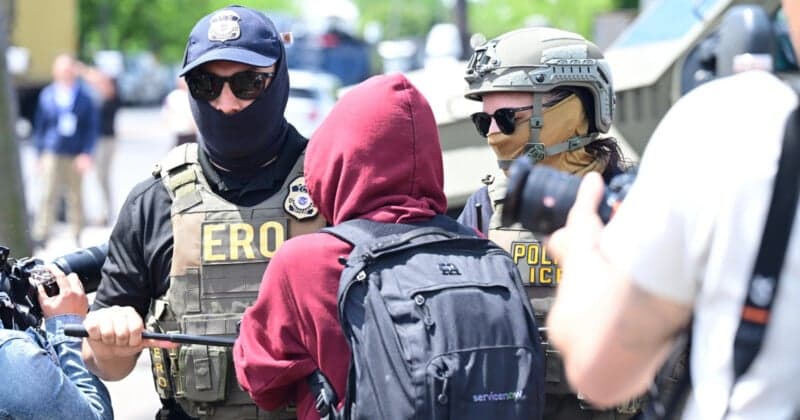
Photographers who document ICE raids and other federal enforcement actions may be closer to getting a hard answer about what agents are allowed to do when a camera is pointed their way. The ACLU, the ACLU Foundation of Northern California, and the MacArthur Justice Center filed a Freedom of Information Act lawsuit on June 10 in federal court in Northern California, seeking records that could show whether threats, surveillance, and retaliation against visual journalists are part of a broader DHS practice.
The suit names the U.S. Department of Homeland Security, U.S. Immigration and Customs Enforcement, U.S. Customs and Border Protection, and U.S. Citizenship and Immigration Services. It seeks policies, directives, and legal interpretations related to people who record immigration or law-enforcement activity and publish information. The complaint says DHS agents have targeted people who photograph, film, or publish footage of immigration enforcement in public, with tactics that allegedly include threats of arrest, pointing loaded firearms, assault, detention, arrest, surveillance, and administrative subpoenas to third-party tech companies.

For photographers in the field, the practical question is not abstract. The records request could show how often federal agents have warned, questioned, or monitored people covering raids, protests, and other public encounters, and whether those actions were driven by a formal policy or by one-off decisions on the ground. It could also clarify whether DHS has used tools such as subpoenas to Google and Reddit to try to identify people who record or share footage of ICE agents.
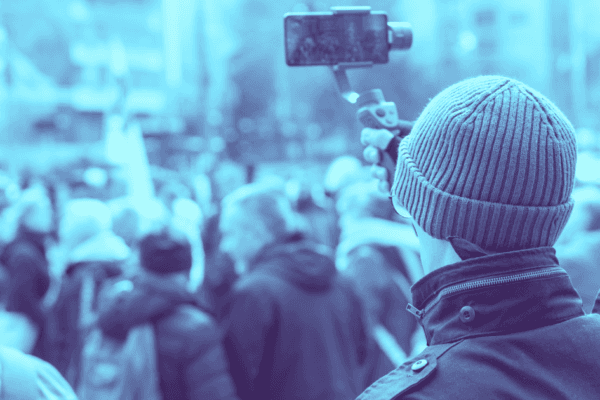
The ACLU says the First Amendment already protects the right to take photos and videos of law enforcement officers and federal agents performing their duties in public, and that federal courts have repeatedly affirmed that right. Its updated know-your-rights page, revised June 8, makes that point explicit for people documenting ICE agents, police, FBI agents, National Guard troops, and other officials. The group has also said hundreds of people have faced retaliation for filming ICE interactions.

The lawsuit arrives after the ACLU’s February filing in Doe v. DHS, when it moved to quash a DHS administrative subpoena to Google seeking records about a man who criticized the department. DHS later withdrew that subpoena. Together, the cases show how quickly a public-facing camera can become the center of a much larger fight over who gets watched, who gets identified, and what protections photographers actually have when federal agents are on the scene.
This article was produced by Prism’s automated news system from verified source data, official records, and press releases, then run through automated quality and moderation checks before publishing. The system is built and supervised by the people who set the standards it runs under. Read our full AI policy.
Did this article answer your question?