AI demand drives up memory card prices for photographers and videographers
AI demand is pushing NAND capacity toward data centers, and photographers are already feeling it in pricier cards. TrendForce sees 2Q26 contract prices jumping 70% to 75%.
What is driving the spike
The memory-card aisle is getting caught in the AI boom, and that matters every time you price out a fresh CFexpress or microSD card. TrendForce says NAND Flash contract prices are expected to rise 70% to 75% quarter over quarter in 2Q26, while enterprise SSD demand and cloud long-term contracts are pulling supplier quotes even higher.
This is not being framed as a routine shipping hiccup or a one-off retail glitch. The bigger force is that NAND capacity is being redirected toward the high-density, high-endurance storage used in data centers, AI accelerators, and large-language-model systems, which pays better and absorbs huge volumes of flash. In plain English, the same manufacturing slots that could have gone into your camera bag are increasingly being claimed by the AI stack.
TrendForce’s latest market readout is especially telling because it points to a deeper squeeze, not just a temporary spike. The firm says strong AI and industrial demand, combined with mature-node supply gaps, have severely tightened the NAND market, with SLC and MLC prices described as skyrocketing and structural imbalances likely to persist.
Why photographers feel it first
For you, this does not show up as a headline about semiconductors. It shows up when a card that used to fit neatly into a kit budget now forces a choice between capacity, speed, and brand. The report notes that a 256GB budget stretch now often buys only 128GB, which is exactly the kind of downgrade that stings when you shoot bursts, long events, 8K clips, or backup-heavy jobs.
That is why this story lands harder than a generic tech price warning. Memory cards are not glamorous purchases, but they are unavoidable ones, and they shape how long you can keep rolling, how many stills you can fire before swapping, and how much redundancy you can carry when there is no chance to reformat in the field. When card prices rise, the cost is not abstract. It lands directly on shooting endurance and how often you have to manage storage mid-job.
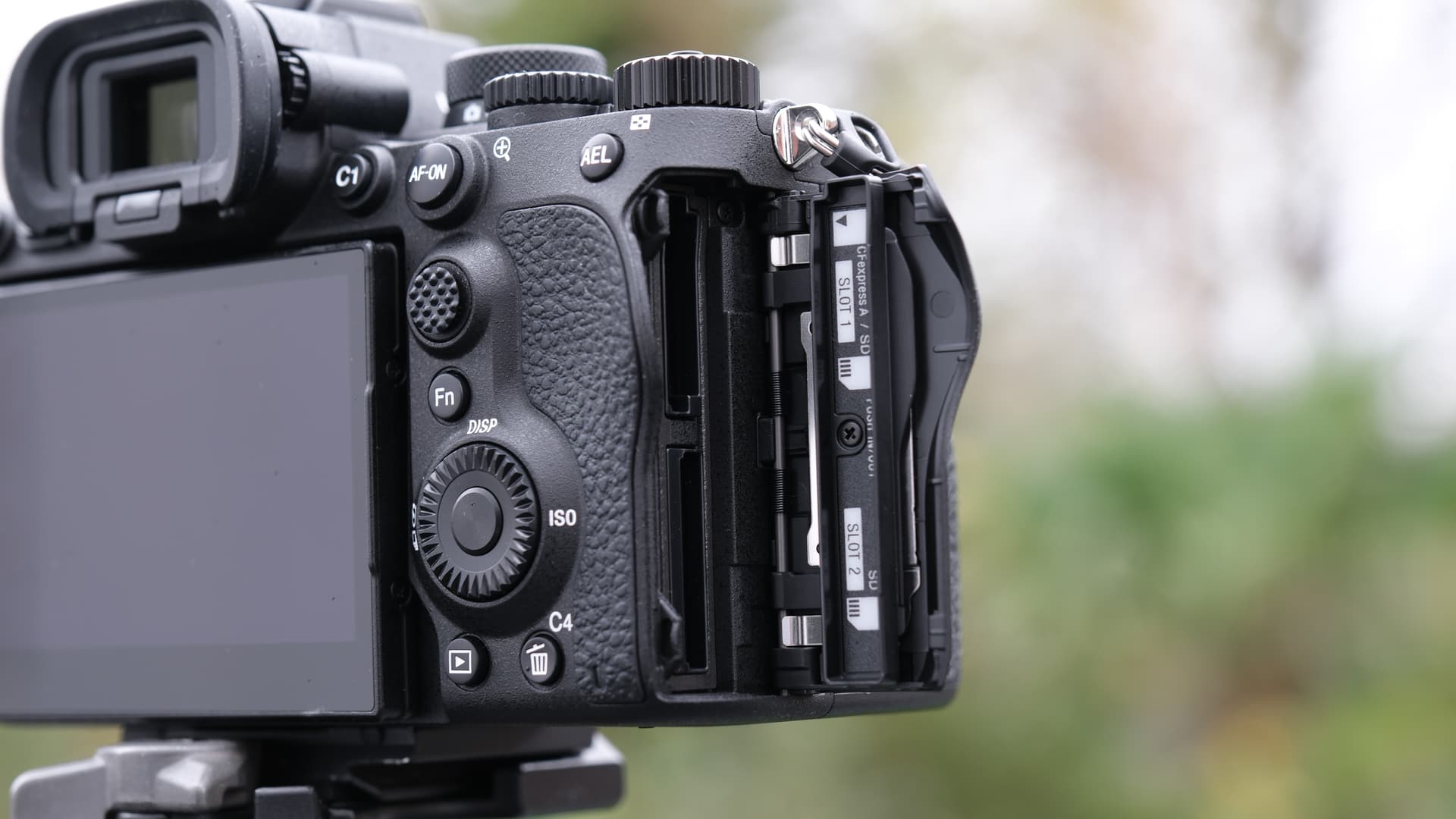
Fast storage is also where the pain tends to be most visible. CFexpress cards, in particular, sit at the intersection of speed and expense, so when the market tightens, the premium tier tends to feel the pressure first. That can make a camera upgrade look cheaper on paper than it really is, because the storage bill grows right alongside the body.
Lexar is reading the same signal
Tom May’s report, based on Lexar’s China operations, adds an important industry layer: this may be a long-term shift rather than a short-lived jump. Lexar representatives Seungwan Hong and SungHoi Hur are quoted in a way that suggests the company sees the market pressure as something photographers will have to plan around, not wait out.
Lexar’s own branding pushes the same message. The company says it is entering a new era centered on “AI-driven creation” and real-time data, while also marking its 30th anniversary in 2026. That is a useful clue about where the storage business thinks the growth is coming from, and it is not in bargain-priced consumer cards. Lexar was founded in 1996, so its pitch now is rooted in a memory-card legacy that is being pulled into the AI era.

The wider semiconductor picture backs that up. Samsung Electronics says NAND flash is central to AI because training and inference depend on high-performance storage. Micron Technology makes a similar case, describing AI data-center storage as a hierarchy of memory and storage solutions built for demanding workloads. When those enterprise buyers are pulling harder, consumer cards are the easiest place for the squeeze to show up.
What it means for your kit budget
The practical response is not the same for everyone, but the logic is clear: match what you buy to how you actually shoot, and do it sooner rather than later if you know you will need the capacity. If your next assignment, trip, or camera upgrade already depends on more cards, today’s prices may look better than the next round of increases.
A few rules make sense right now:
- Buy now if you already know you need the capacity. If your workflow leans on burst shooting, long-form video, or back-to-back event days, waiting for a deep discount may not pay off if prices keep climbing.
- Buy smaller if your real workflow does not need the biggest card. If you usually fill only a fraction of a high-capacity card, it may be smarter to spread risk across several smaller cards than to pay a premium for storage you do not use.
- Switch brands only when the speed and endurance match your camera’s needs. In a tighter market, comparing only the price per gigabyte can backfire if the card cannot keep up with your write demands.
- Rethink how much fast storage you truly need. Not every shoot needs the fastest tier. If your camera and workflow do not benefit from the highest-end card, moving one step down can protect the rest of your kit budget.
The bottom line for 2026
This is what AI demand looks like at street level: not just bigger data centers and pricier enterprise hardware, but a quieter squeeze on the small, essential purchases that keep a photo workflow moving. TrendForce’s 70% to 75% price outlook, the 23.8% revenue jump to US$21.17 billion for the top five NAND suppliers in 4Q25, and the continuing pull from AI servers all point in the same direction. The memory-card market is no longer just a camera accessory story. It is now part of the cost of doing photography, and the bill is moving up.
This article was produced by Prism’s automated news system from verified source data, official records, and press releases, then run through automated quality and moderation checks before publishing. The system is built and supervised by the people who set the standards it runs under. Read our full AI policy.
Did this article answer your question?