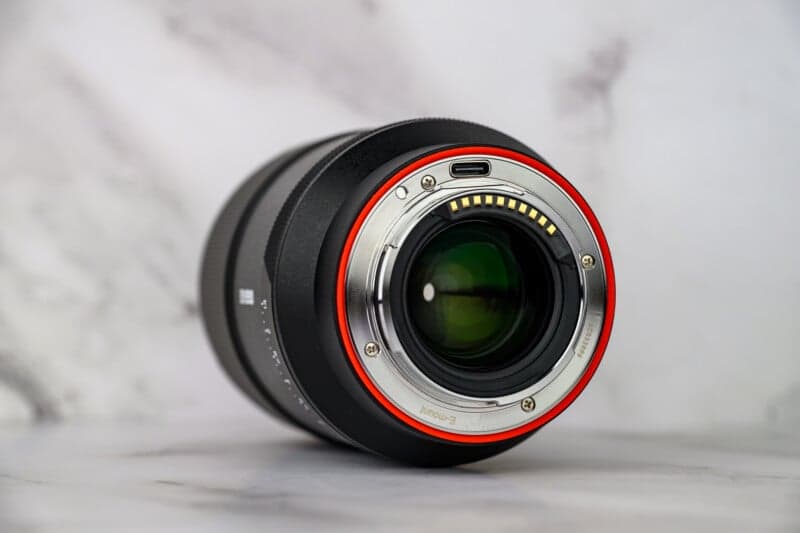
Caira camera blends mirrorless hardware, smartphone connectivity, and on-device AI editing
Caira tries to make a mirrorless body feel like a phone, and that is where the promise and the friction both start. The specs are bold; the workflow is the real test.
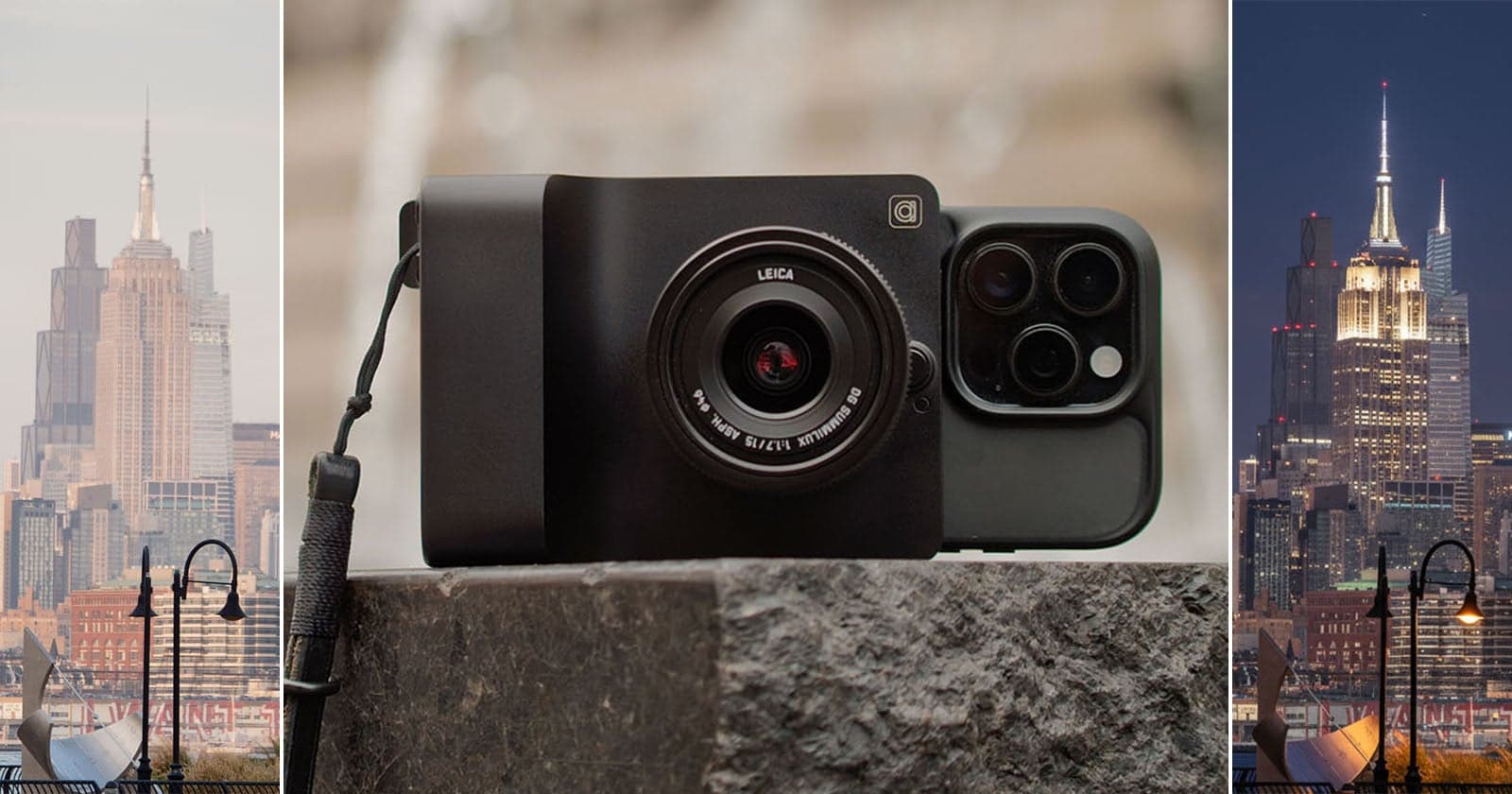
Caira’s real experiment is not the sensor, it is the workflow
Photographers keep saying they want faster shooting, cleaner files, and fewer app headaches, but Camera Intelligence is betting that the answer is to fold smartphone-style AI into a real camera body. Caira first appeared on Kickstarter on November 4, 2025, where the company called it the “world’s first AI-native mirrorless camera,” and the numbers alone tell you the idea landed hard: the campaign closed on December 1, 2025 with $459,668 pledged from 611 backers, far beyond its $20,000 goal.
That kind of response makes Caira worth paying attention to, but not because it is the cleanest camera story of the year. It is interesting because it exposes the exact tension that keeps showing up across hybrid gear: people want the larger sensor and interchangeable lenses, yet they also want the speed and convenience of a phone. Caira is what happens when a camera company tries to build both at once.
The hardware is deliberately odd
On paper, Caira looks like a stripped-down mirrorless body with a few familiar ingredients. PetaPixel’s review puts the price at $995, and says the camera uses a 12-megapixel sensor that is the same one found in the Panasonic Lumix GH5S. It also accepts nearly all Micro Four Thirds lenses through an electronically coupled mount, so it is not trying to reinvent lens compatibility from scratch.
The rest of the spec sheet leans toward practicality rather than luxury. Caira includes a 5,000mAh battery and 64GB of internal storage, which immediately tells you this is meant to live in a connected workflow instead of acting like a pure body-and-card setup. Camera Intelligence also says the camera can be powered and accessed through USB-C, which fits the device’s broader pitch: this is less a traditional mirrorless body and more a camera that expects to be tethered to a phone-like experience.
The app is the point, not the accessory
Caira’s selling point is not just that it has an app. The app is supposed to be the camera’s control center. According to Camera Intelligence’s Kickstarter FAQ, it can connect to the camera to take photos and video, adjust settings, view and share gallery content, and run real-time AI editing.
That matters because it changes where the friction lives. Instead of pulling files after the shoot and finishing them later on a laptop, Caira is trying to collapse capture, review, and editing into a single workflow. In theory, that sounds efficient. In practice, it asks a lot of trust from photographers who are used to knowing exactly what happened between press of the shutter and final image.
The company’s FAQ also says the autofocus uses neural networks to estimate how to move the lens instead of relying on traditional contrast-detect or phase-detect methods. That is a big philosophical shift for a camera body, because it moves focus away from the older language of dedicated AF systems and into the newer language of machine interpretation. For some users, that will sound like progress. For others, it will sound like another layer between the eye and the file.
Why the AI backlash matters
The controversy around Caira is part of the story, not a side note. Early versions leaned heavily on Google Nano Banana servers and allowed prompt-based editing that was described as essentially unlimited, which predictably made a lot of photographers nervous about how much generative AI was being pushed into the camera itself. Camera Intelligence has since pulled back and restricted those features to a curated set of effects.
That shift is important because it shows where the line is being drawn in real time. A camera that uses AI to help with workflow, focus, or computational stacking feels very different from a camera that lets you rewrite the scene after capture. The current production version moves more of the creative work on-device, using computational image stacking and neural networks in the image pipeline instead of outsourcing everything to the cloud, and that is probably the version most photographers will judge on merit.
The problem is that trust is hard to rebuild once users suspect the camera is doing too much for them. If you are trying to make a camera feel dependable, an AI layer that was once described as essentially unlimited is not a small thing to unwind.
Who this camera is actually for
This is where Caira gets fascinating. It clearly solves a real problem for a certain kind of shooter: someone who wants a larger sensor than a phone, wants interchangeable lenses, and still wants the kind of fast sharing and on-the-go editing that a phone has normalized. Camera Intelligence says it already has more than 2,000 pre-order customers, and its site lists Batch 2 delivery for April 2026, which suggests there is real demand for that middle ground.
But Caira also exposes the limits of that idea. The controls are minimal, with the shutter and power switch doing most of the work, and that will feel liberating to some people and frustrating to others. If you like direct access to shooting modes, tactile dials, and a body that disappears under your fingers, Caira is going to feel more like a device than a camera. If you already spend too much time moving files around, opening apps, and cleaning up rough edits, the proposition is easier to understand.
That is why the review lands as more than a hardware rundown. Caira is a test case for whether camera makers can build a genuinely better hybrid experience, or whether they are just packaging a new set of compromises in cleaner industrial design.
What Caira says about the next phase of cameras
Camera Intelligence, formerly Alice Camera, is not the only company trying to collapse capture and editing into one connected system, but Caira shows how far that idea can go before it starts to feel contentious. It has a real sensor, real lens support, real battery life, and enough internal storage to keep it from feeling like a toy. It also has the usual signs of a product still looking for its final shape: a heavy dependence on software, a minimal control layout, and a workflow that asks users to accept AI as part of the capture process rather than a tool they use later.
That is why Caira is compelling even to photographers who will never buy one. It makes the current argument in camera design impossible to ignore: are makers building the future of photography, or are they solving problems that only exist because phones taught everyone to expect instant, app-driven everything? Caira does not settle that debate, but it shows exactly where it is heading.
This article was produced by Prism’s automated news system from verified source data, official records, and press releases, then run through automated quality and moderation checks before publishing. The system is built and supervised by the people who set the standards it runs under. Read our full AI policy.
Did this article answer your question?