Andrew McCarthy Teases Impossible Lunar Image From Artemis II Collaboration
Andrew McCarthy says his latest Moon project is impossible from Earth, and the clue points to Artemis II’s rare Earthset views.
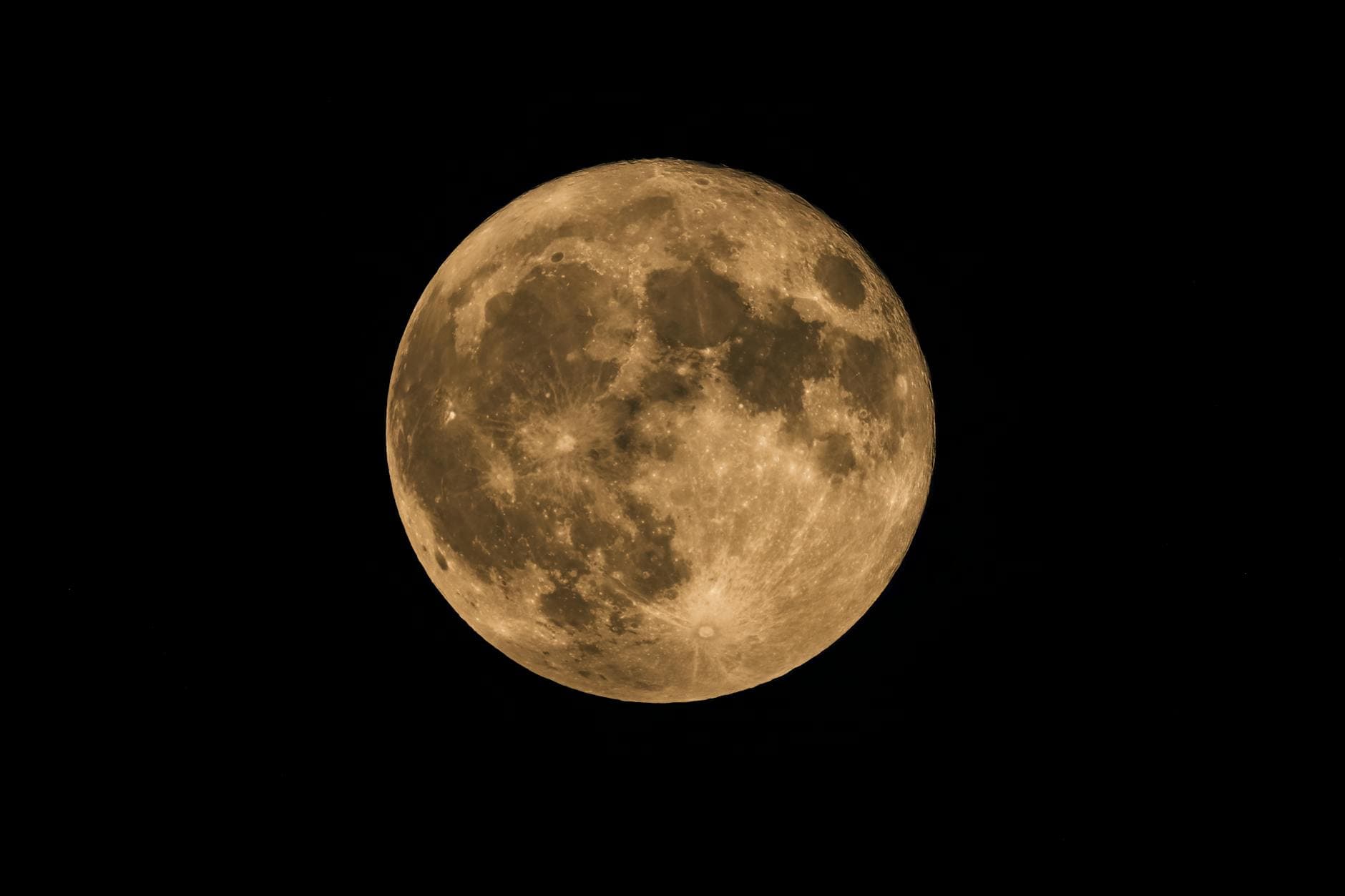
Andrew McCarthy has built a reputation on making the Moon look less like a target and more like a stunt no one should be able to pull off. Now the astrophotographer is teasing another lunar image he says is impossible to capture from Earth, this time tied to a collaboration with Reid Wiseman, the NASA astronaut who posts as @astro_reid and commanded Artemis II.
That name alone is enough to make lunar shooters stop scrolling. McCarthy is already known for engineering his way past the limits of ordinary Moon imaging. In 2020, he assembled an “impossible” Moon image by combining two weeks of waxing-Moon photos, then extracting the highest-contrast region near the lunar terminator and blending it into one scene. In 2022, he and Connor Matherne built The Hunt for Artemis from 250,000 individual frames over nine months. A year later, McCarthy pushed even further with GigaMoon, a 1.3-gigapixel image made from 280,000 photos. His 2025 ISS transit shot over the Moon’s south pole only reinforced the same point: when McCarthy says lunar work is hard, he usually means it literally.
The new teaser lands in the shadow of Artemis II, whose April 6, 2026 Moon flyby gave the public a view photography from Earth cannot replicate. NASA said the crew captured a crescent Earth setting on the Moon’s limb, regions of the far side, and a rare in-space solar eclipse. The four-person crew, Reid Wiseman, Victor Glover, Christina Koch and Jeremy Hansen, reportedly flew farther from Earth than any previous humans in the post-Apollo era during the flyby, turning the mission’s Earthset imagery into instant reference material for anyone obsessed with lunar perspective.
That is what makes McCarthy’s tease so interesting. If the finished image leans on Artemis II material, the breakthrough may be less about pure camera hardware and more about a hybrid workflow, one that uses human-taken lunar mission imagery as a new compositing anchor for Earth-based astrophotography. For serious hobbyists, that matters. The standard lunar image chase has long been about sharper optics, steadier seeing and more frames. McCarthy’s recent work points to a different frontier: stitching together scenes that widen the Moon beyond what a telescope at a backyard mount can show, especially when the viewpoint itself comes from deep space.
For lunar imagers, the real headline is not just that McCarthy has another giant project in the pipeline. It is that the bar keeps moving from “cleaner Moon” to “impossible Moon,” and now Artemis II may have supplied the raw perspective to make that claim believable.
This article was produced by Prism’s automated news system from verified source data, official records, and press releases, then run through automated quality and moderation checks before publishing. The system is built and supervised by the people who set the standards it runs under. Read our full AI policy.
Did this article answer your question?