Trail Cameras Capture First Minnesota Cougar Family in Over a Century
A hidden trail camera filmed a female cougar and three kittens feeding south of Voyageurs National Park, the first proof of Minnesota reproduction in over 100 years.
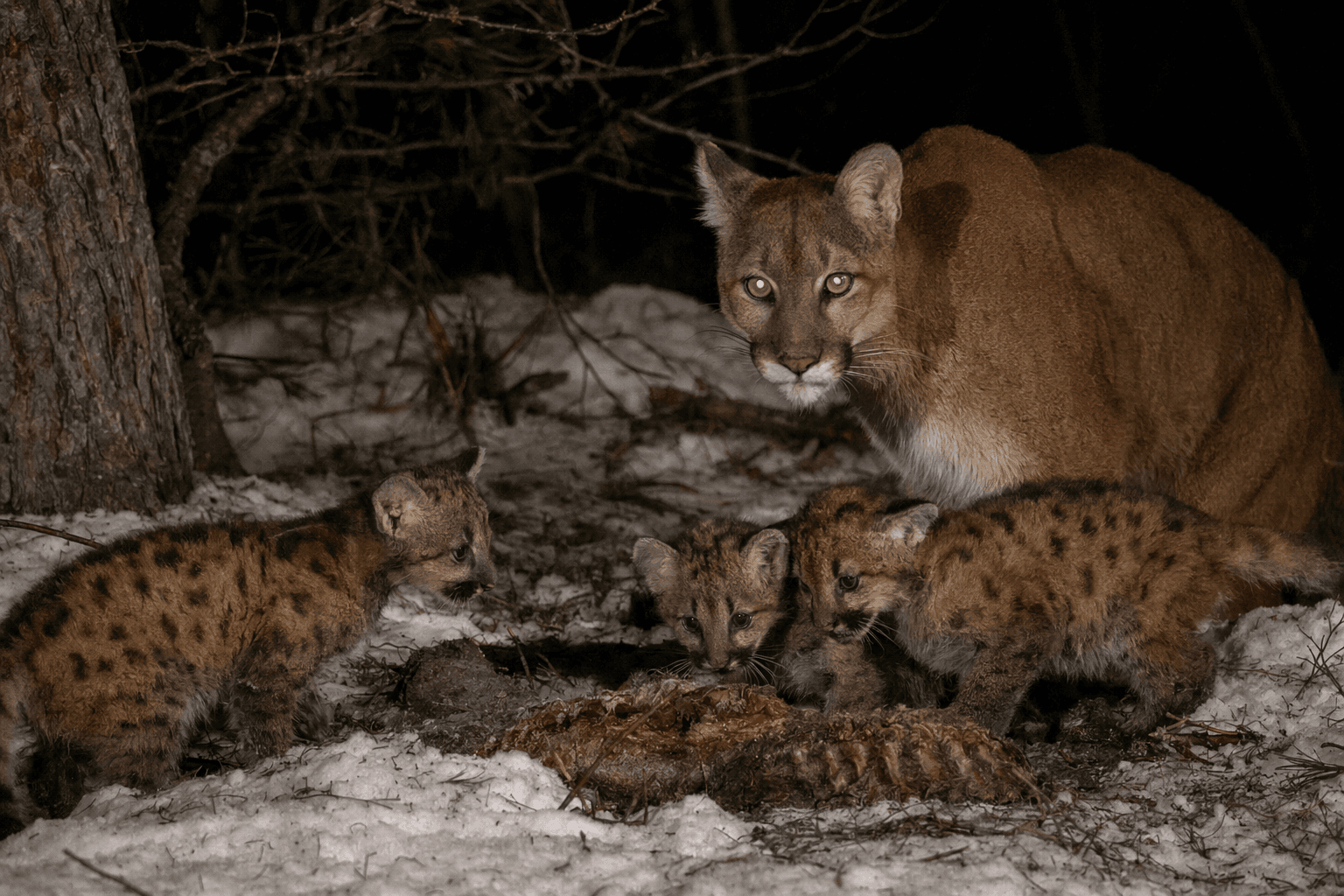
A trail camera aimed at a deer carcass south of Voyageurs National Park captured the kind of evidence wildlife researchers rarely get: a female cougar feeding alongside three large kittens, a clean visual record that Minnesota officials say is the first documentation of cougars reproducing in the state in more than a century.
The footage was recorded on March 25 at a GPS-collared deer mortality site in northern Minnesota, near Orr and about 100 miles north of Duluth. Researchers had set two cameras over the cached carcass after the deer sent a mortality signal, and they later realized the predator was far more significant than a bobcat. Over about 7.3 hours, or 435 minutes, the cameras documented the family feeding and moving around the kill site just south of Voyageurs National Park.
For Thomas Gable, the project’s lead, the sequence was startling. He called the footage “surreal” and said the team “never anticipated seeing four cougars together” in northern Minnesota. The cameras also captured about four hours of interaction that showed the mother grooming her kittens while the young cougars growled and hissed at one another, details that turn a remote image trap into a rare behavioral record as well as a species confirmation.
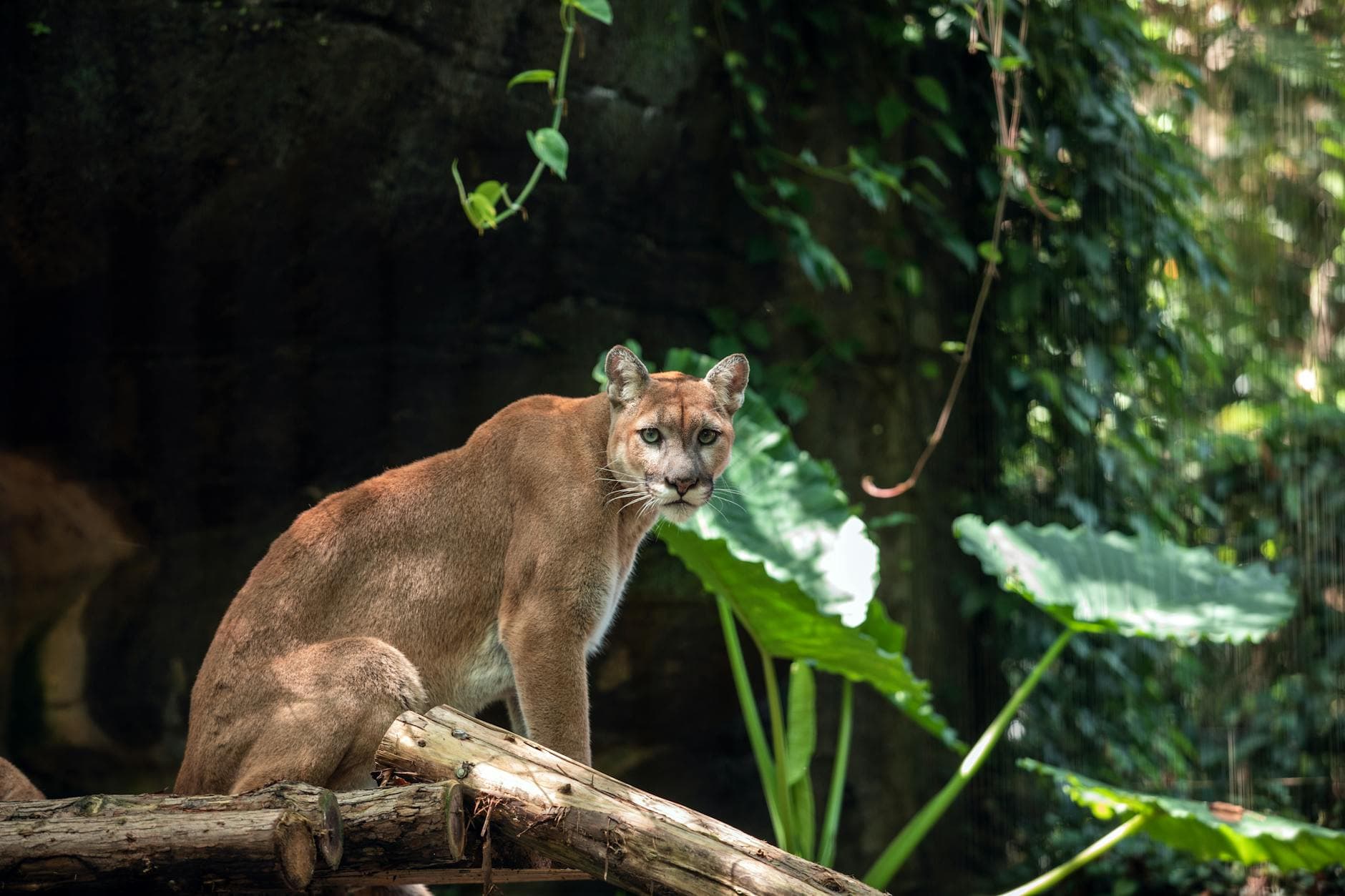
The Minnesota Department of Natural Resources estimated the kittens were 7 to 9 months old, likely born in fall 2025. That matters because the state had long seen only transient cougars, usually males dispersing from western South Dakota, North Dakota or Nebraska. The only other confirmed Minnesota cougar kittens were captive escapees in 2001, when a female and two kittens appeared on a homeowner’s porch. The new footage now points to something different: possible reproduction in the wild, and a possible foothold in the eastern Midwest after more than 100 years without evidence of breeding.
The finding also shows why trail cameras have become indispensable in modern wildlife science. The Voyageurs Wolf Project has already recorded lone cougars eight times since 2023, but never kittens. Its northeast Minnesota camera network, built for wolf research, helped deliver the state’s first hard proof of cougar family life, supported by the Minnesota Environment and Natural Resources Trust Fund, the University of Minnesota, private donors and more than 10,600 supporters who paid for cameras, batteries, SD cards and mounts. In a region where animals usually vanish before anyone can see them, the photograph is the evidence.
Know something we missed? Have a correction or additional information?
Submit a Tip