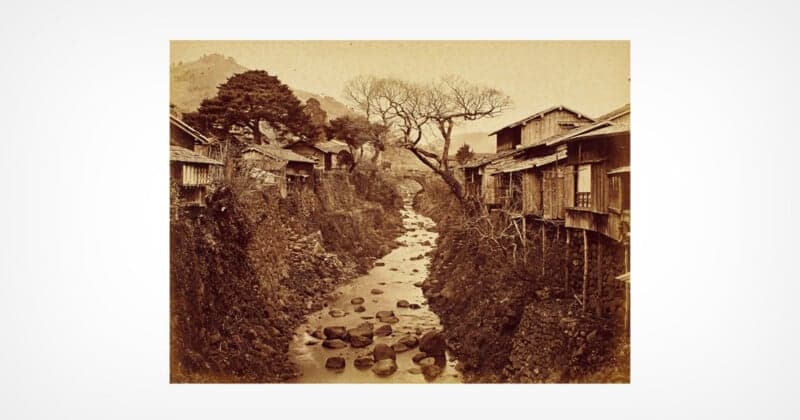
Apple iPhone Camera Chief Jon McCormack Releases Nature Patterns Monograph
Apple's iPhone camera software lead Jon McCormack directs all proceeds from his new $50 Patterns monograph to conservation nonprofit Vital Impacts.
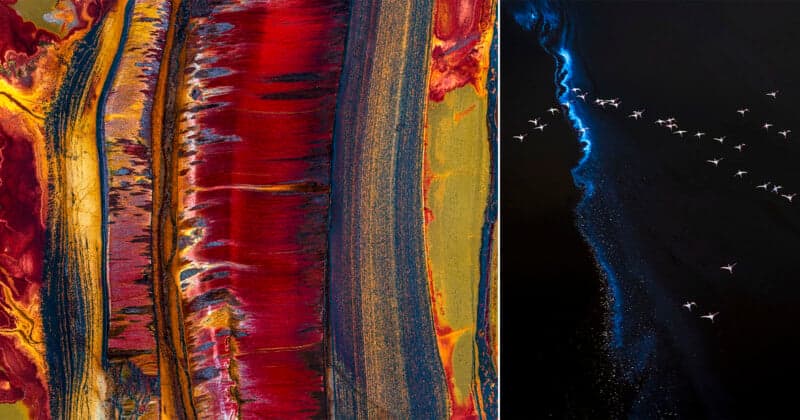
All $50 copies of "Patterns: Art of the Natural World" direct proceeds to Vital Impacts, a conservation nonprofit co-founded in 2021 by photographers Ami Vitale and Eileen Mignoni. The Damiani Books monograph is the first from Jon McCormack, who leads camera software engineering for iPhone at Apple.
The project began on a California beach during the early lockdowns of 2020. With travel shut down, McCormack started walking a small stretch of shoreline near his Northern California home every evening. "I started going down to this local beach pretty much every night as a way to get out of the house and because no other people were there," he said. "The thing that really struck me as fascinating were these little moments in time where you have a combination of tide, light, and rock that creates these transient patterns."
Born during the quiet months of the COVID-19 pandemic, the book grew from those evening walks along a small stretch of beach, returning night after night to the same spot until he discovered a new way of seeing. The 168-page, 220 x 300mm volume spans volcanic coasts in Iceland, icy fjords in Antarctica, hippo trails in Botswana, and rainforests in British Columbia. Many of the photographs were shot close to McCormack's home, along the coastlines, forests, and deserts of California. The connecting logic is geometric, not geographic: a 400-million-year-old ammonite cross-section pairs with glacial river braids over Icelandic volcanic plains because the spiral grammar rhymes. Mineral blooms are reflected in elephant paths, crystalline structures appear in birds' plumage, river deltas resonate with coral reefs, and waves in tidepools mirror wind through grasslands.
McCormack grew up in western Queensland, working with sheep and cattle on vast stretches of land where the rhythms of nature were not abstract ideas but daily realities. He began photographing the Australian bush as a teenager. That upbringing is embedded in how rigorously the book pursues formal connections across unrelated subjects and scales.
Essays by Vital Impacts founder Ami Vitale, National Geographic Explorer in Residence Wade Davis, author David George Haskell, Rainforest Alliance founder Daniel Katz, and ocean conservationist Sylvia Earle pair stunning imagery with reflections on the beauty and resilience of the planet. The first 150 signed copies purchased through Vital Impacts include a signed, limited-edition print for $99. The standard edition releases on Earth Day, April 22.
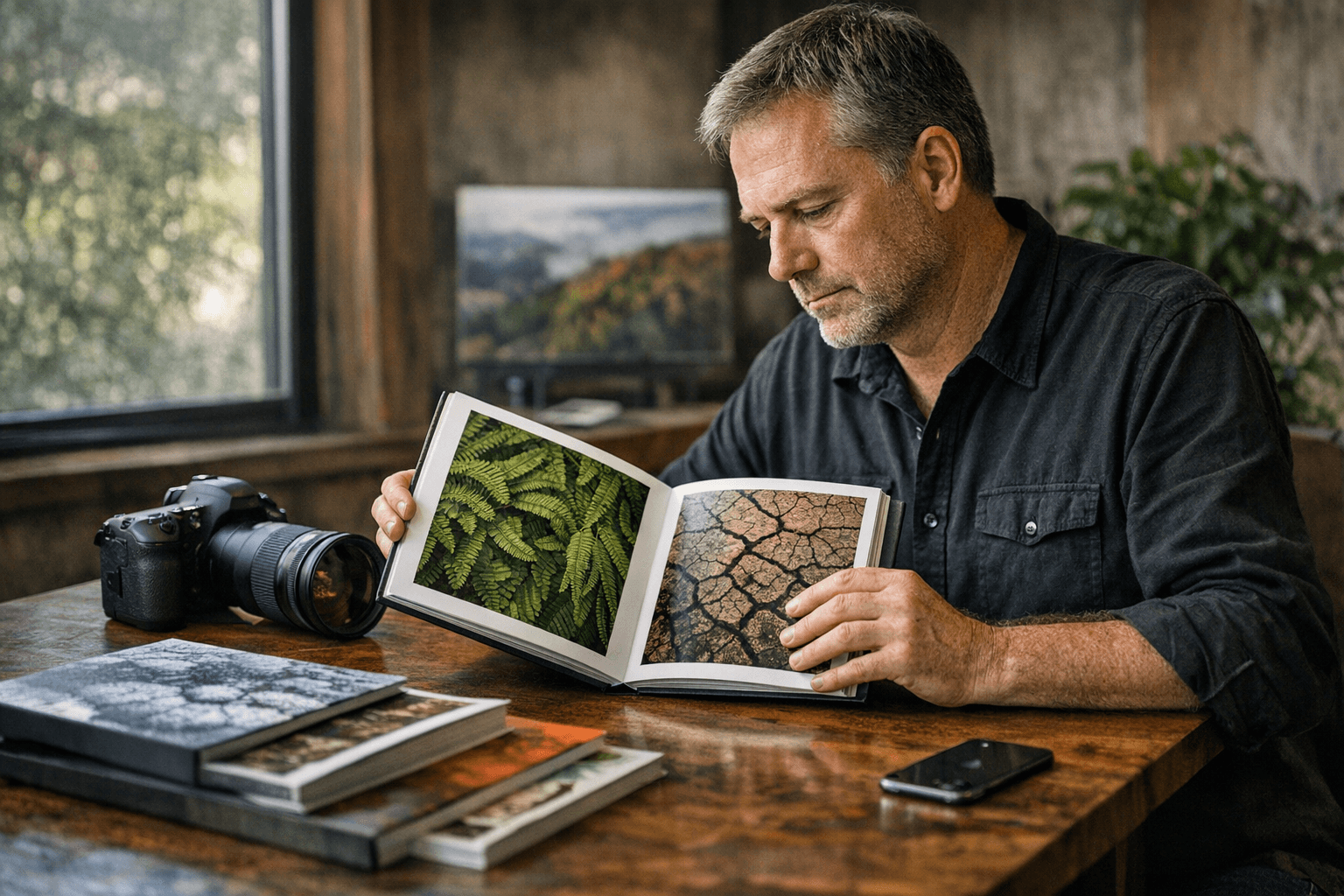
McCormack's pandemic beach practice is directly replicable wherever you live. Pick one location within walking distance and return at least five times, shooting only the geometry, not the narrative. A concrete drain, a tide-exposed rock face, pavement after rain: the subject is irrelevant; the structure is the assignment. Constraint is the exercise, not a limitation to overcome.
Work two focal lengths for every subject: close enough that the surface becomes abstract, far enough that repetition becomes architectural. The gap between those two frames is where a series lives. McCormack pairs microscopic mineral blooms with aerial elephant trails because the geometry rhymes across scales, and the same logic holds at the scale of a garden bed and a parking garage.
When sequencing the final edit, sort by dominant line direction rather than location or date. Frames where the geometry runs diagonally from lower-left belong together regardless of whether one was shot on a shoreline and another in a forest. Alongside his photographic practice, McCormack leads camera software engineering for iPhone at Apple, and some of the images in "Patterns" were captured using iPhone. That pipeline is tuned to surface local contrast and edge detail, picking up structural pattern information that the eye skims past. Used deliberately, it is a pattern-detection instrument, which is exactly how McCormack deploys it.
This article was produced by Prism’s automated news system from verified source data, official records, and press releases, then run through automated quality and moderation checks before publishing. The system is built and supervised by the people who set the standards it runs under. Read our full AI policy.
Did this article answer your question?