Apple tests stylish smart glasses with hidden camera for AI photography
Apple is testing smart glasses in at least four frame styles, pairing a hidden camera with AI and iPhone support for everyday shooting.
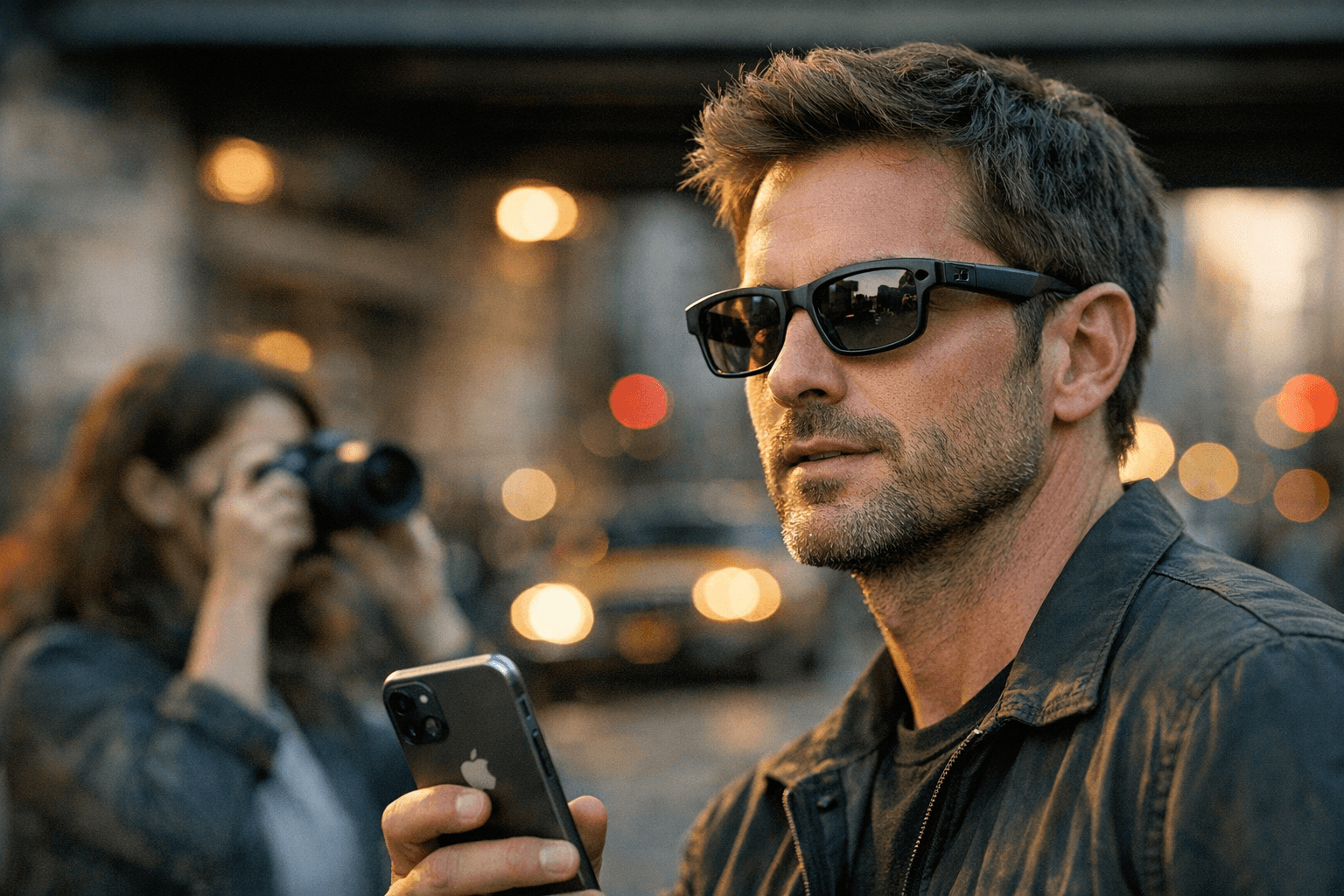
Apple is pushing smart glasses toward a more camera-first future, and the photography angle is hard to miss: Mark Gurman says the company is testing at least four frame styles, including rectangular and oval options, while experimenting with a vertically oriented oval camera module and surrounding lights.
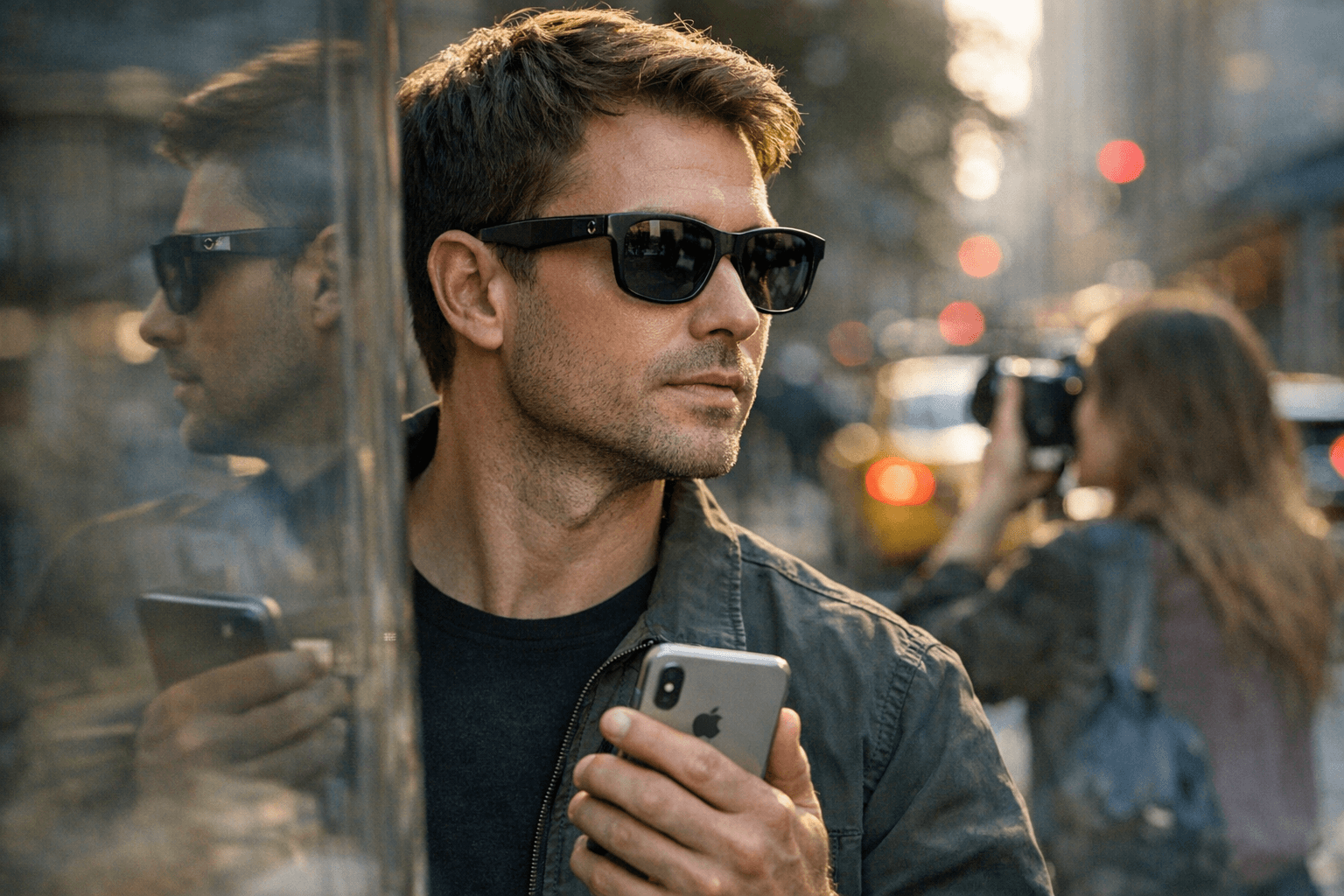
That design points to a product meant to blend into daily life, not sit on a shelf as a novelty. If Apple ships this approach, the glasses would be built around casual image-making, quick AI-assisted capture, and iPhone integration rather than a built-in display. For photographers, that could mean a new kind of grab-and-go workflow for street scenes, travel moments, family clips, and behind-the-scenes shooting, with the camera always where your eyes are.
The stakes are already high because Meta has moved first and fast. Meta launched Ray-Ban Display smart glasses in September 2025, and Meta and EssilorLuxottica said they sold more than 7 million smart glasses in 2025. Apple’s move is aimed squarely at that category, not at Vision Pro, and the company is also reported to be developing specialized chips for glasses, which signals a serious hardware push rather than an accessory side project.
Apple’s timing has been pointing this way for months. Bloomberg reported on May 22, 2025 that Apple was targeting a smart-glasses release at the end of 2026, while a February 17, 2026 report said the company was also working on a pendant and camera-equipped AirPods as part of a broader AI wearable strategy. Together, those devices suggest Apple wants wearable photography and ambient AI to feel less like a single product and more like an ecosystem.
That ambition comes with a warning label. Google Glass remains the classic example of how wearable cameras can trigger privacy backlash and public discomfort, especially when the design reads as intrusive. Apple’s surrounding lights and more conventional frame shapes look like an attempt to avoid that fate by making the camera feel visible enough to reassure bystanders while still staying discreet enough for everyday use.
If Apple gets the balance right, its first smart glasses could change the default camera for fast, informal shooting. The phone would not disappear, but for the first time in years, a pair of glasses could credibly challenge it for the quickest photo or clip of the moment.
This article was produced by Prism’s automated news system from verified source data, official records, and press releases, then run through automated quality and moderation checks before publishing. The system is built and supervised by the people who set the standards it runs under. Read our full AI policy.
Know something we missed? Have a correction or additional information?
Submit a Tip