Axcel reportedly puts Capture One up for auction as sale plans evolve
Axcel’s Capture One sale plans landed as the software raised prices 6%, sharpening concerns about workflow stability, support, and future monetization.

Capture One’s latest price increase landed just as its private equity owner moved to auction the company, putting one of photography’s most relied-on editing platforms under a brighter light. For shooters who build tethered sessions, color management, and studio delivery around Capture One, the question is no longer only what the software costs now, but what a sale could mean for the way it is run next.
Axcel, the Nordic private equity firm that has owned Capture One since 2019, was reported to be pursuing a sale through an auction process. Axcel bought Phase One and Capture One together in 2019 for 1.5 billion Danish kroner, then split the business into two standalone companies: Phase One for image-capture systems and Capture One for image-editing software. That structure matters now because it separates the software asset from the hardware side of the group, making Capture One look like the cleaner part of the portfolio even as the wider imaging business has faced pressure.
The numbers help explain why the deal has become such a close watch. Phase One’s 2024 revenue was reported at about $48 million, down from more than $70 million in 2023, with a loss of a little over $3.6 million. Full-time headcount at Phase One reportedly fell from 210 in 2020 to 174 in 2024, and cash flow was negative in three of the previous five years. Capture One, by contrast, was described as healthier, with gross profit up 2% and EBITDA around 68 million Danish kroner, or roughly $10.6 million.
That split performance makes Capture One the more saleable piece, but it also raises the stakes for users. Capture One cut staff in January 2024 during a major internal restructure, then confirmed more layoffs in May 2026 as part of another restructure. Against that backdrop, a buyer could push the company in different directions: a workflow-focused owner might emphasize product continuity, while a financial buyer could lean harder into pricing, packaging, and recurring revenue.
The immediate signal for photographers is already clear. Capture One said prices were rising 6% across Pro, All-in-One, and Studio plans, along with perpetual licenses, with the new pricing taking effect for renewals on or after July 6, 2026. That kind of move, arriving alongside auction talk, suggests a business being tuned for margin and transfer value at the same time.
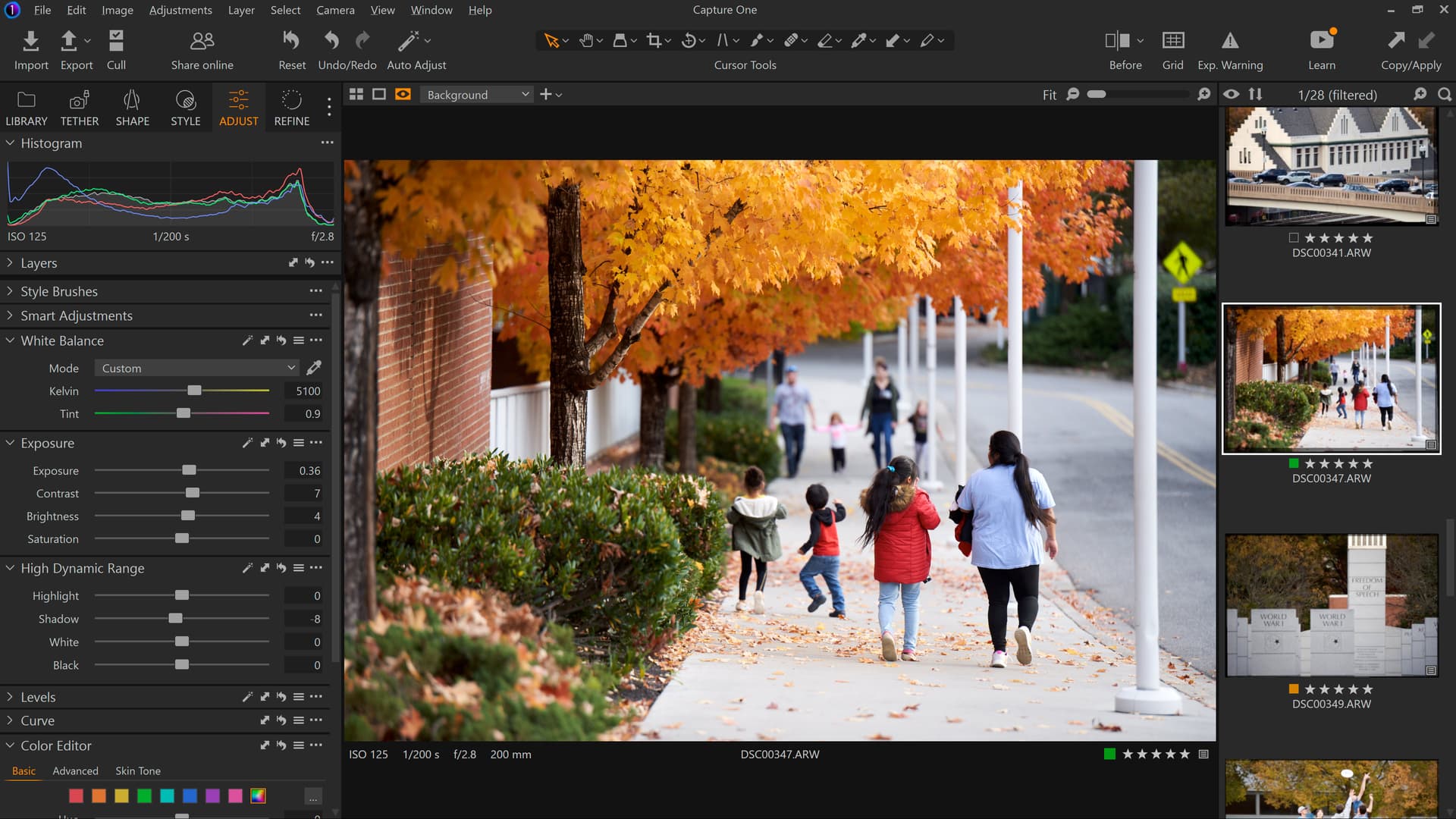
For working photographers and studios that depend on Capture One as a core editing platform, the sale story is bigger than deal chatter. It is about whether a trusted workflow tool stays centered on image-making or starts looking more like an enterprise software asset, with pricing and priorities to match.
This article was produced by Prism’s automated news system from verified source data, official records, and press releases, then run through automated quality and moderation checks before publishing. The system is built and supervised by the people who set the standards it runs under. Read our full AI policy.
Know something we missed? Have a correction or additional information?
Submit a Tip