BAFTA portrait studio shows the pressure of event photography
BAFTA’s portrait studio proves event photography is a system: less than a minute per subject, repeatable light, and no room for slow resets.
The BAFTA portrait studio is a pressure test, not a glamour room
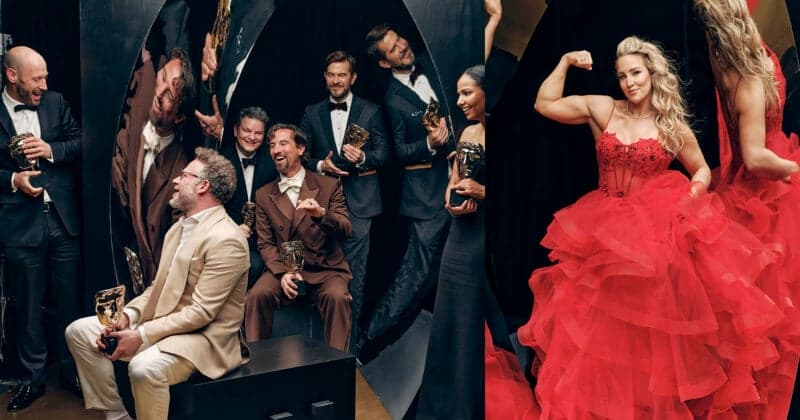
The finished portraits from the BAFTA Television Awards look calm and deliberate, but the setup behind them is built for speed. Inside Royal Festival Hall in London, Sane Seven and Marius Seven constructed a portrait studio for the 2026 BAFTA TV Awards with P&O Cruises, and some subjects had less than a minute in front of the camera.
That time limit changes everything. BAFTA commissioned Sane Seven to create the official portraits of nominees, winners, presenters, and performers, and the gallery went live on May 15, 2026, just after the ceremony at Royal Festival Hall on Sunday, May 10. The awards, hosted by Greg Davies and broadcast on BBC One and BBC iPlayer from 7 p.m. BST, recognized excellence in British television broadcast in 2025. With 124 programmes nominated across the TV and TV Craft awards cycle, the portrait studio had to move like part of the broadcast itself, not like a normal portrait appointment.
What the studio is really built to do
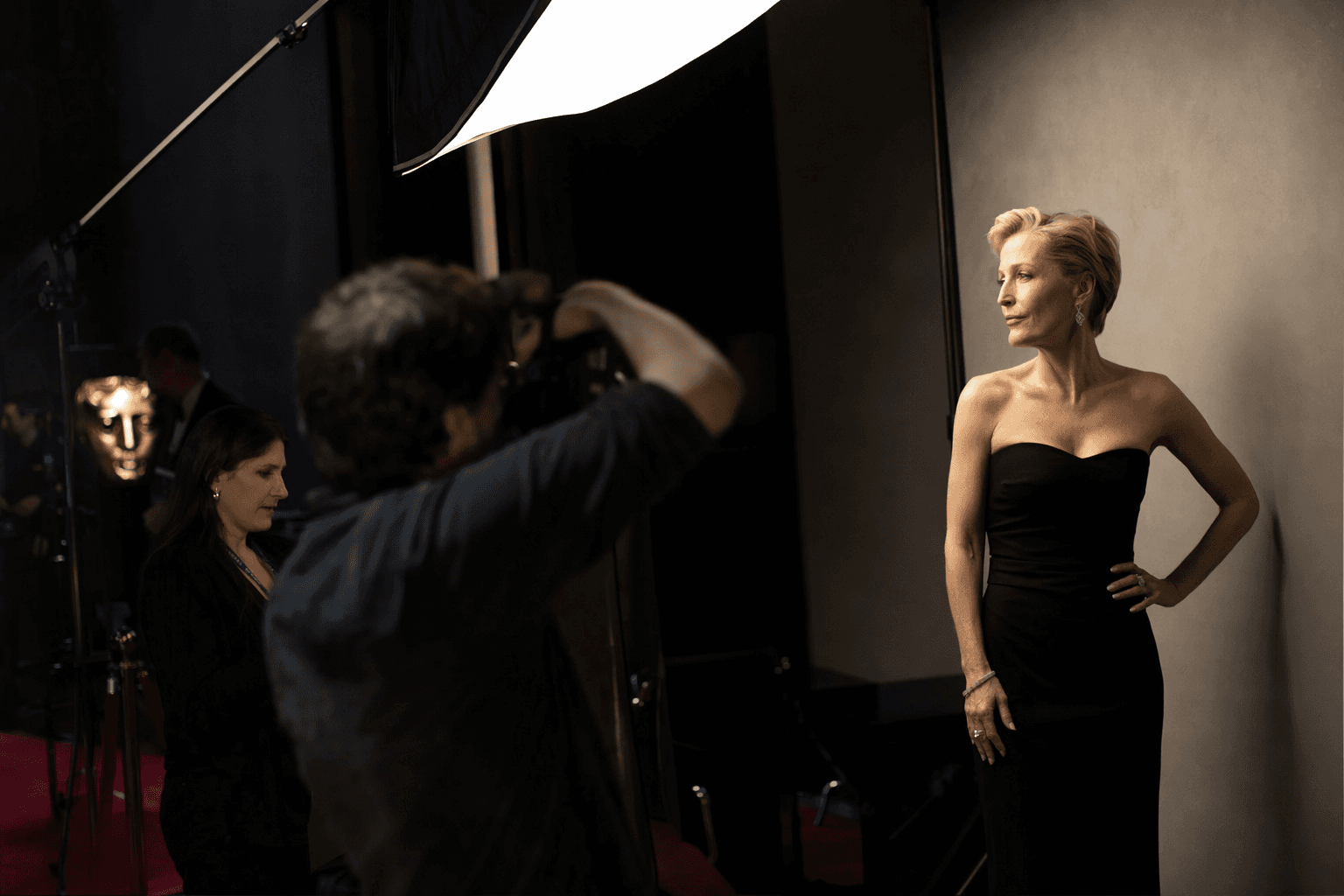
This is not a session where the photographer can settle a subject in, chat for a while, and work through a long sequence of poses. The BAFTA setup had to function as a fast-turnaround editorial asset, producing polished portraits under live-event conditions while the broader ceremony kept moving around it. That is why the comparison to editorial portraiture, red carpet logistics, celebrity handling, and even sport makes sense: all four reward preparation, speed, and the ability to react without losing control of the frame.
For event photographers, that means the portrait area has to be designed as a repeatable system. Light, position, and direction need to be stable enough that each person can step in, make a portrait, and leave without forcing the team to rebuild the shot every time. When the schedule is compressed and the subject count is high, consistency is not a luxury, it is the only way to keep quality up while the clock keeps running down.
The lesson in the less-than-a-minute brief
The most important detail in the BAFTA studio is not the celebrity access. It is the constraint. If some subjects have less than a minute, then every part of the workflow has to be decided before they arrive: the framing, the lighting ratio, the verbal direction, the pose options, and the exit path for the next person in line.
That is the real value of this kind of portrait setup for anyone working events, awards, conferences, or corporate launches. A strong portrait under pressure usually comes from a small number of reliable decisions made very well, not from improvising a new look for each face. The studio at Royal Festival Hall shows how professional event portraiture is often closer to production management than to freeform portrait shooting.
A setup like this also rewards calm, consistent communication. When the subject is only there for seconds, the photographer cannot afford confusion, repeated setup changes, or a pose that takes multiple explanations. The team has to move the subject through the frame quickly while still making the image feel intentional, flattering, and finished.
Why the subject mix matters
BAFTA’s portrait gallery included nominees, winners, presenters, and performers, with names such as Mary Berry DBE, Stephen Graham, Narges Rashidi, Christine Tremarco, and Greg Davies. That range matters because it shows how wide the studio’s job really is. One minute the team may be working with a presenter, the next with a major actor, and then with a performer whose schedule is tied to the live broadcast rhythm.
That kind of variety is what makes the studio a useful model for your own event work. You are rarely photographing a room full of identical subjects with identical needs. More often, you are matching a shared lighting and framing strategy to people who arrive with different energy, different comfort levels, and different expectations. The BAFTA portrait operation proves that one strong system can absorb that variation without falling apart.
How to steal the method for your own event portrait setup
The BAFTA studio points to a few practical habits that make pressure photography work:
- Build a portrait setup that can hold its look without constant rebuilding.
- Keep the pose plan short, clear, and repeatable.
- Treat the subject’s arrival like a timed handoff, not the start of the setup.
- Make the light flattering enough that it works across different faces fast.
- Use a communication rhythm that keeps the subject moving without making the process feel rushed.
That kind of discipline matters because event portraiture is usually happening in the middle of a much bigger machine. At BAFTA, the studio sat inside an awards show that was already operating on a fixed broadcast clock, a broad nomination field, and a public-facing gallery that had to be ready quickly after the ceremony. The photographer’s job was not just to make a good portrait, but to make a good portrait that could survive speed.
The pressure is the point
The clean, polished BAFTA portraits are the product of a setup that had to absorb noise, timing pressure, and a crowded schedule without showing it. That is what makes the studio such a sharp example for photographers who work events: the frame may look effortless, but the method behind it is ruthlessly engineered.
Royal Festival Hall gave the studio a stage, but the real story is the machinery inside it. When less than a minute is all you get, the difference between a usable portrait and a great one is not luck. It is a system that still holds together when the pressure is on.
Know something we missed? Have a correction or additional information?
Submit a Tip