Saher Alghorra wins Pulitzer for Gaza conflict photography
Saher Alghorra’s Gaza frames won the 2026 Pulitzer for showing starvation, wounded aid seekers, and war’s daily toll from inside a sealed conflict.

Saher Alghorra’s photographs from Gaza won the 2026 Pulitzer Prize for Breaking News Photography because they captured more than destruction. They showed how war, hunger, and aid access collided in real time, from wounded children being rushed to hospitals to a mother crying over her injured son after he was shot while trying to get food near the Zikim crossing.
The Pulitzer Prize Board called the series a “haunting, sensitive series showing the devastation and starvation in Gaza resulting from the war with Israel.” The award, announced May 4, 2026, carried a $15,000 prize. Alghorra, a contributor to The New York Times, was born in Gaza and lives and works there. The Pulitzer materials say he got his first camera in 2017 and immediately began chronicling the fragile existence of everyday Palestinians.
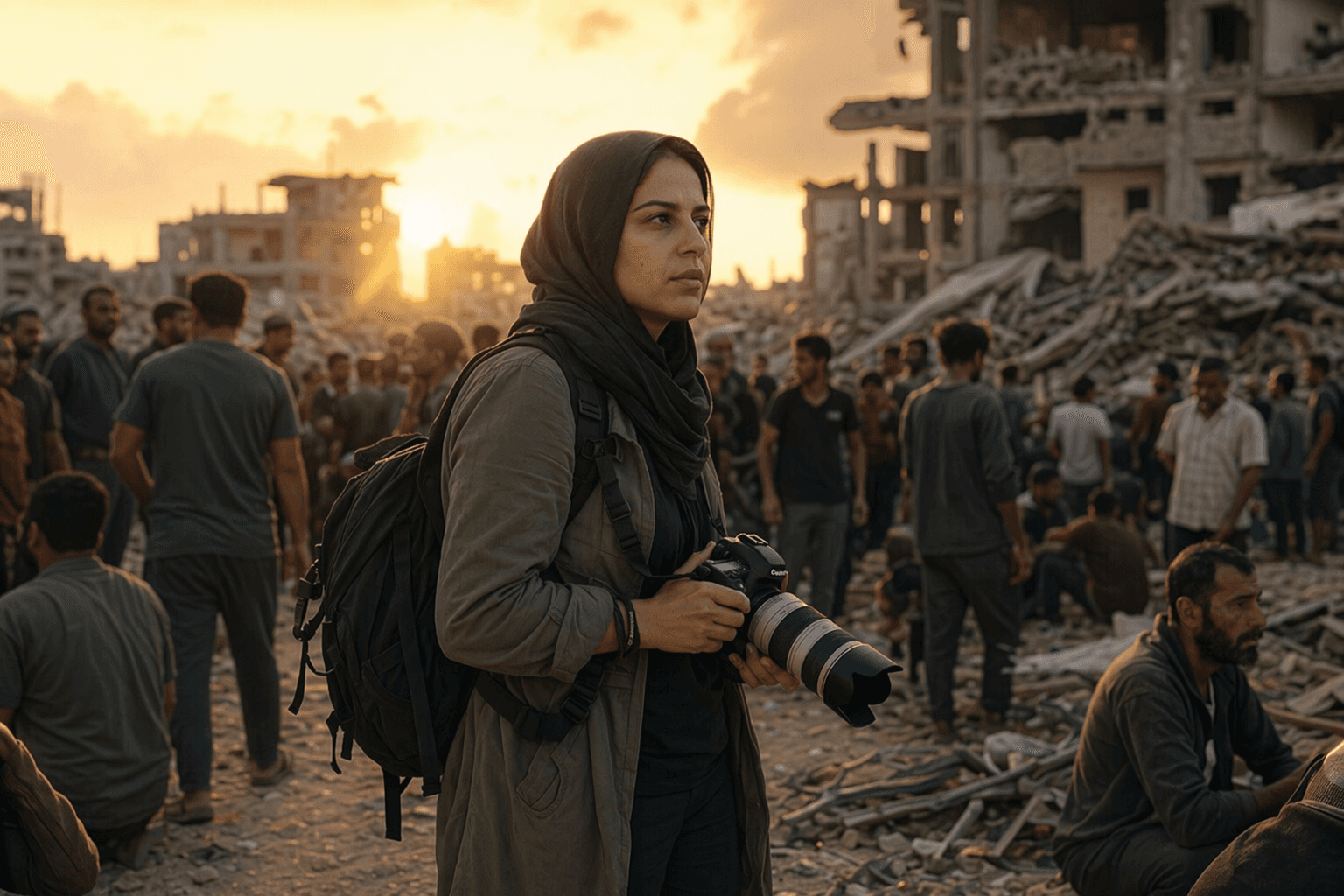
What made the winning work stand out was access under pressure. The New York Times said Alghorra documented Israel’s attacks in Gaza while international photojournalists were barred from entering, giving his pictures a rare immediacy that outside observers could not match. The series included photographs across Gaza in 2025, among them Israeli strikes, wounded children being transferred to hospitals, and a family breaking Ramadan fast in the remains of their home.
The strongest pictures were also the most ethically loaded. In one frame highlighted by the Pulitzer materials, a woman cries that her injured son had been shot while trying to get aid near the Zikim crossing between Gaza and Israel. Pulitzer’s description notes that Israeli restrictions on aid forced desperate people to risk their lives to take supplies from trucks or line up at distribution points, and that hundreds of Palestinians were killed seeking aid even as famine was declared in northern Gaza. Those details give the images their force: they are not generic war pictures, but records of civilians pushed into impossible choices.
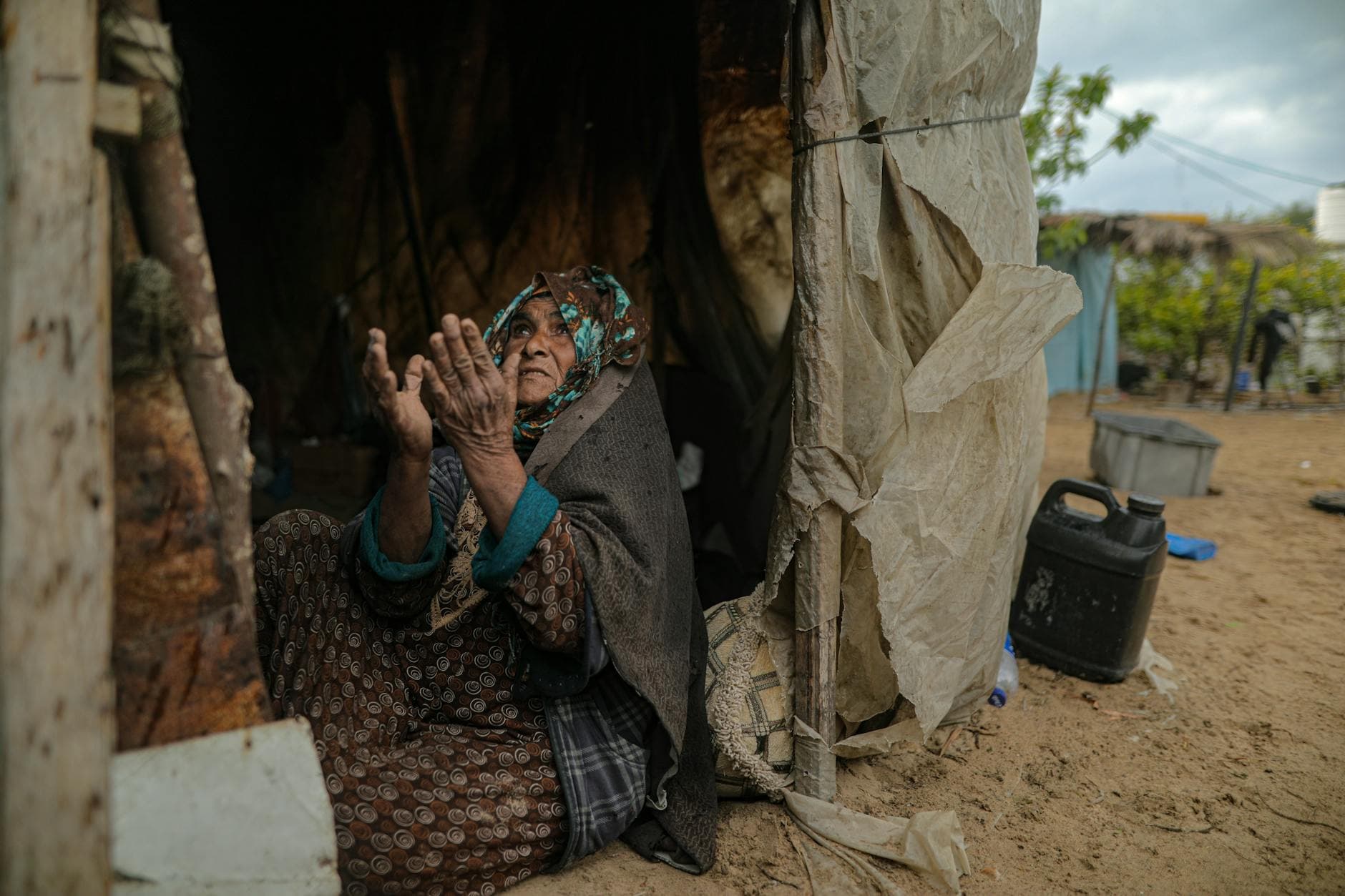
At The New York Times, Joe Kahn said Alghorra’s work was the culmination of a yearslong effort that captured the emotional toll of the war. Meaghan Looram called it a piece of work made in real time, at great personal risk, and an “unvarnished record” of the period in history. She also said Alghorra could not attend the announcement because of the circumstances surrounding his work in Gaza. That distance is part of what gives the images their staying power, because they were made where the story was happening, not after the fact, and they freeze the kind of access, timing, and witness that breaking-news photography rarely gets to sustain.
Know something we missed? Have a correction or additional information?
Submit a Tip