Canon EOS R50 V drops to $569 for creators and vloggers
Canon’s EOS R50 V fell to $569, $80 under launch, with APS-C 4K, Log 3 and livestreaming tools aimed squarely at creators.
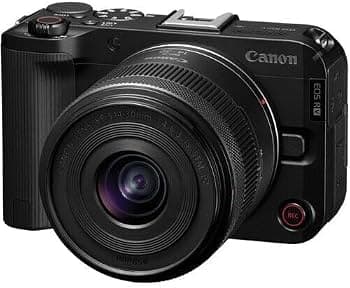
Canon’s EOS R50 V dropped to $569 for the body, putting the video-first mirrorless camera $80 below its $649 launch price and turning a niche creator model into a far more realistic buy. For anyone weighing a jump from a smartphone or compact camera, that matters because the R50 V is built around interchangeable lenses, not around traditional stills-first handling.
Canon introduced the EOS R50 V on March 26, 2025 alongside the PowerShot V1 as part of its EOS/PowerShot V series for video creators, livestreaming, vlogging, cinema and VR. Canon described it as the first EOS V-series camera body, and the hardware backs up that positioning with a 24.2-megapixel APS-C sensor, oversampled 4K recording and Dual Pixel CMOS AF II with 651 autofocus zones and subject detection for people, animals and vehicles.
The spec sheet is aimed at solo shooting more than desk-side studio work. Canon listed full-width 4K 29.97p, cropped 4K 59.94p and Full HD up to 119.8p, along with creator-facing tools that normally sit higher up the lineup: Canon Log 3, HLG, PQ, False Color, Zebra display and Rec.709 recording. The body also added a vari-angle touchscreen, a Vertical Video tripod mount and a Front Record button, all of which make vertical clips and self-recording less awkward than they are on a conventional stills body.

Canon’s own connectivity list makes the camera feel even more like a modern content tool. The R50 V supports USB UVC/UAC streaming, HDMI streaming, Camera Connect streaming and Live Switcher Mobile streaming, and Canon also lists 2.4GHz and 5GHz Wi-Fi plus Bluetooth. Canon Europe puts the body weight at about 370g with card and battery, which helps explain why the camera fits travel rigs, handheld vlogs and lightweight gimbal setups better than bulkier mirrorless options.
The tradeoff is just as clear. At $569, the EOS R50 V is not the best choice if the main goal is a stills-first body with classic ergonomics and a broader all-purpose feel. It is the better call if video comes first, if livestreaming is part of the plan, or if the real upgrade target is a phone that has started to feel too limiting for autofocus, lens choice and handheld control. At this price, the R50 V finally lands where its design makes the most sense: in the hands of creators who want a small camera that behaves like a purpose-built production tool.
This article was produced by Prism’s automated news system from verified source data, official records, and press releases, then run through automated quality and moderation checks before publishing. The system is built and supervised by the people who set the standards it runs under. Read our full AI policy.
Did this article answer your question?