Chemistry student wins Nature photo award for glowing mosquito image
A chemistry student’s ultraviolet mosquito shot topped Nature’s ScientistAtWork contest, turning a fluorescent lab specimen into the year’s standout scientific image.

A chemistry student’s ultraviolet-lit mosquito image won Nature’s 2026 #ScientistAtWork photo competition, turning a tiny lab subject into the contest’s most striking frame. The shot shows a yellow fever mosquito, Aedes aegypti, glowing in Lee Haines’s microscope after feeding on a sugar concoction spiked with fluorescent dye.
Gunnar Hartmann’s image was chosen from more than 220 entries worldwide, with Nature announcing the winners on June 10 and June 11, 2026. Hartmann and the other winners received a £500, or US$670, cash prize, plus a print-and-online Nature subscription, and their photographs were featured in Nature. The competition was open only to amateur photographers, with entries closing on May 8, and it was organized by Nature Careers.
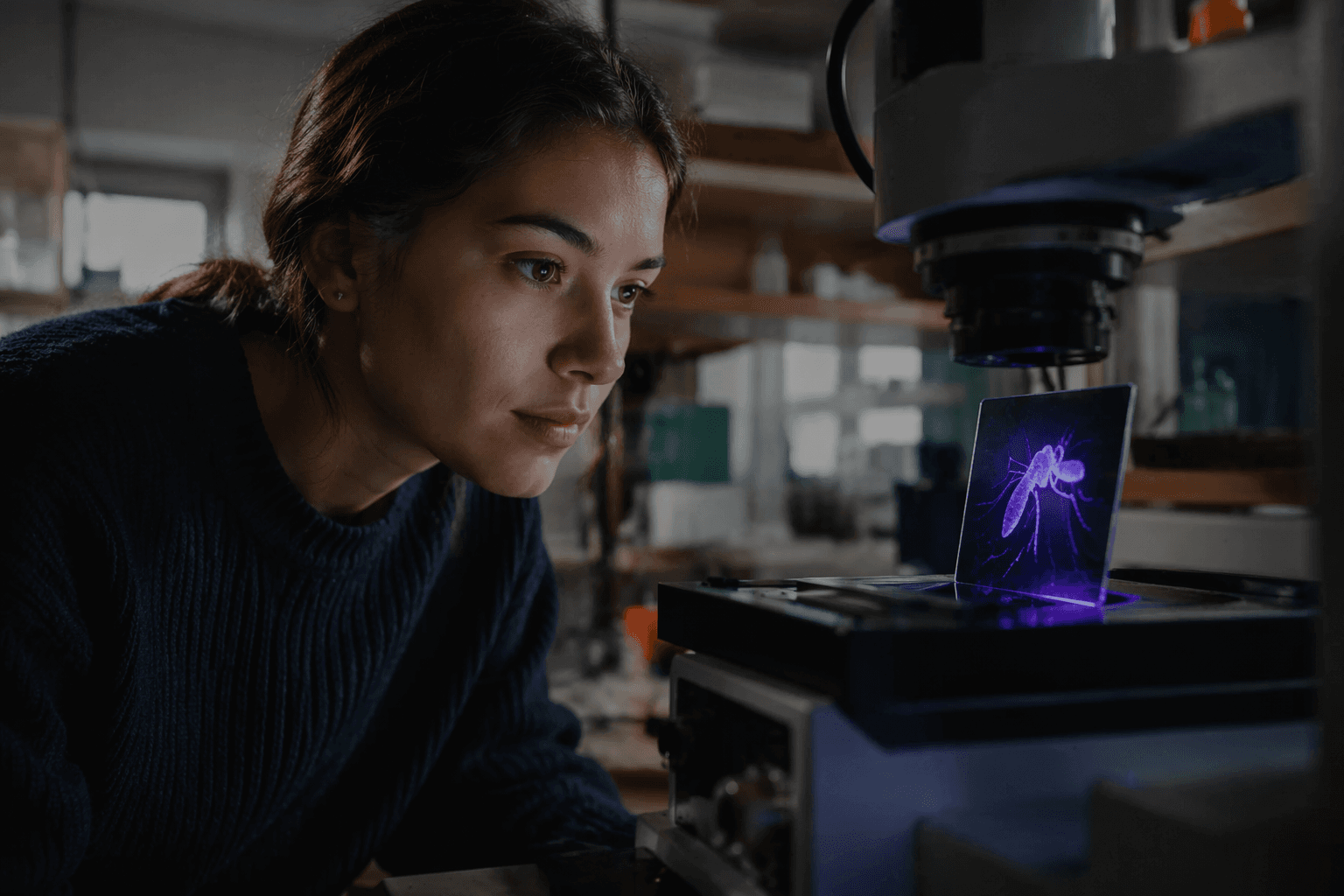
The mosquito image fits the competition’s larger brief: show scientists at work in ways that move beyond the usual polished lab portrait. Nature Careers says the winning images captured science in field settings and controlled laboratory environments, underscoring how research can be global, collaborative and physically demanding. Alongside Hartmann’s mosquito frame, the set included scenes from conservation work, coral research and other lab-based projects that reward close observation as much as technical access.
For photographers, the appeal of the winning image is in what it reveals, not what it hides. The ultraviolet glow gives the mosquito a visual charge that makes the specimen read like a light source, while the microscope setting turns an ordinary piece of research hardware into the stage for the picture. Nature says the glow signaled that the insect had fed on the dyed sugar solution, a detail that ties the image’s look directly to the science behind it.
That is what makes the award resonate beyond a single contest result. The picture does not depend on a rare expedition or a dramatic action moment; it finds its power in a scientific subject many photographers would never think to frame, and in the way ultraviolet light, microscope optics and a live specimen combine to make the unseen visible.
This article was produced by Prism’s automated news system from verified source data, official records, and press releases, then run through automated quality and moderation checks before publishing. The system is built and supervised by the people who set the standards it runs under. Read our full AI policy.
Did this article answer your question?