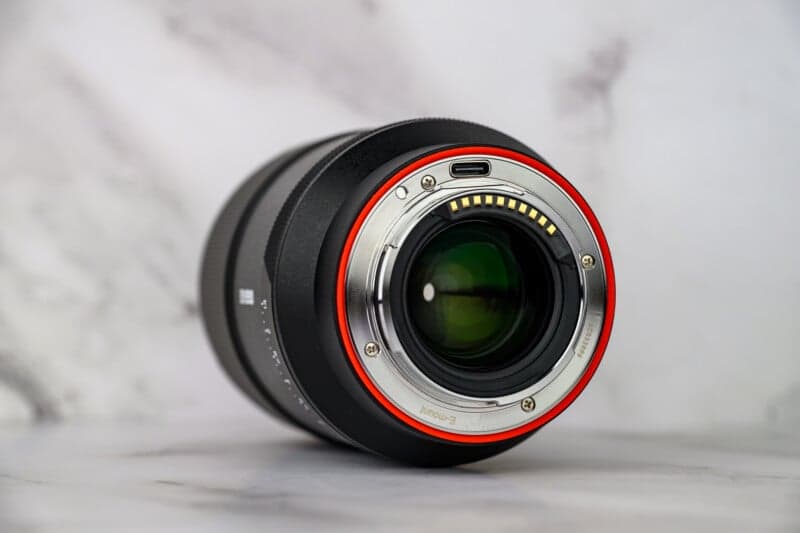
Compact Cameras Stage a Comeback, Offering Zoom and Better Low-Light Performance
Compact cameras are back because phones still can’t match real zoom, low-light, and waterproofing in one pocketable body. The best models now solve specific daily shooting problems.

Why compact cameras still matter
The compact camera comeback makes sense the moment you stop treating a phone as the default answer for every shoot. Panasonic imaging executive Toshiyuki Tsumura put it plainly at CP+ 2026: “the trend is shifting toward compact cameras,” and the reasons are the ones photographers keep running into in real life, better low-light performance, longer and higher-quality zoom, and genuine waterproofing. Add tactile controls, fixed-lens simplicity, and a larger sensor than most phones, and the appeal becomes less nostalgic than practical.
The market picture backs that up. The Camera & Imaging Products Association said total digital camera shipments reached 8,490,227 units in 2024, with interchangeable-lens cameras at 6,609,813 units and mirrorless at 5,612,205 units. Fixed-lens compacts did especially well inside that recovery, which is a useful signal for anyone wondering whether this is just internet sentiment or an actual buying trend. It is the kind of shift that shows up when photographers remember they want a camera that lives in a jacket pocket, not in a bag they only carry when they mean business.
What a compact camera does better than a phone
A good compact camera is not about replacing a mirrorless body. It is about solving the daily situations where a phone still feels compromised. The category works best when you want a camera that is always with you, easy to carry, and capable of a more satisfying shooting experience because of a larger sensor, longer optical zoom, or manual controls that make you slow down and compose.
That is why the best compacts now split into very clear jobs. Some are tuned for street work and fast handling. Some are built for travel and zoom reach. Some are becoming serious creator tools, especially for video. And a few premium models are still chasing image quality hard enough to stand beside much larger cameras, which is part of what keeps the category interesting in 2026.
For an all-around fixed-lens camera, the Fujifilm X100VI still sets the tone
Fujifilm’s X100VI is the camera that turned this revival into a full-on waiting list. Fujifilm announced it on February 20, 2024, with early March 2024 availability in the United States at an MSRP of $1,599.95, and the spec sheet made clear why it landed so hard: a 40.2-megapixel X-Trans CMOS 5 HR sensor, the X-Processor 5, and in-body image stabilization. It is also the first X100-series model with IBIS, which matters in exactly the kind of dim bars, late trains, and overcast city walks that make compact cameras feel useful rather than theoretical.
Fujifilm described the X100VI as a compact digital camera with “sophisticated design and intuitive operability,” and that combination explains its appeal as much as the hardware does. It is the sort of camera that feels like a choice, not a concession, especially if you want a fixed-lens body that encourages deliberate shooting without dragging a whole lens system behind it.

For street photography, the Ricoh GR IV keeps the pocketable ethos alive
Street photography is where the compact form factor still feels most natural, and Ricoh has stayed committed to that logic. The GR IV was announced on May 22, 2025 and released on August 21, 2025 as a high-end GR-series compact built for snapshot photography. That is exactly the kind of camera that rewards fast reactions, low-profile carrying, and a body that disappears until the frame appears.
The GR line has always been about speed, discretion, and a photographer’s instinct to keep moving, and the GR IV continues that identity. For shooters who care more about getting the frame than carrying the gear, a pocketable compact with serious image quality remains one of the cleanest answers in photography.
For creator video and vlogging, Canon is treating the compact as a real production tool
Canon’s PowerShot V1 shows how much the category has widened beyond the old point-and-shoot idea. Canon announced it on March 26, 2025 as part of its EOS/PowerShot V series for creators, and the company explicitly framed the launch as a reinvigoration of point-and-shoot cameras for creators. That matters because it moves the compact conversation away from nostalgia and toward actual shooting workflows, especially for video.
Canon U.S.A. listed the PowerShot V1 at $849 on May 3, 2026, which keeps it in the zone where a creator can justify it as a dedicated second camera rather than a luxury toy. If your phone is fine for quick clips but falls short when you need better handling, better zoom discipline, and a camera that feels built for a video-first setup, this is the lane that makes compact cameras newly relevant.
For travel, zoom reach, and hard use, the compact can solve problems the phone still cannot
Travel is where the category’s practical strengths become obvious. Panasonic’s Tsumura cited longer and higher-quality zoom as one of the reasons compacts are gaining attention, and that is exactly the travel advantage most phones still cannot match cleanly. A real zoom lens changes how you shoot architecture, street scenes, distant details, and candid portraits, especially when you want flexibility without swapping lenses.

The same logic applies to rugged use. The OM System Tough TG-7 fits the niche for waterproof shooting, which matters for beaches, boat decks, rain, snow, and the kind of trip where you do not want to baby your camera. Genuine waterproofing is one of those features that sounds niche until the day it becomes the only thing standing between getting the shot and packing the camera away.
For travelers who want a simpler zoom compact, the Panasonic Lumix ZS99 and TZ99 sit in the practical middle ground. They are the sort of cameras that make sense when pocketability, reach, and ease of use matter more than chasing a single dramatic spec.
The premium end keeps proving that compact does not mean compromised
The luxury side of the category is not just alive, it is making a point. Leica released the Q3 43 on September 26, 2024 at $6,895, and the camera pairs a fixed 43mm APO lens with a 60-megapixel full-frame sensor. That is a serious imaging package in a fixed-lens body, and it reinforces the central argument of the compact comeback: small can still mean uncompromising.
Leica’s broader Q line, including the 60-megapixel full-frame Q3, keeps the premium compact idea in the frame for photographers who want one body, one lens, and no interest in modularity. On the other side of the premium spectrum, the Fujifilm GFX100RF shows how far the category can stretch when image quality is the priority, while the Leica D-Lux 8 keeps the premium compact zoom tradition alive for buyers who want elegance and flexibility in the same package.
There is also room at the simpler end of the market. The Canon IXUS 285 HS A, PowerShot ELPH 360 HS A, and IXY 650 m show that ultra-slim compacts still have a place when the job is sheer pocketability. That is the quiet truth behind the comeback: the best compact camera is the one that fills the gap your phone still leaves open, whether that gap is zoom, low light, tactile control, or just the pleasure of carrying a real camera again.
The compact category is not returning as a museum piece. It is surviving because it keeps solving the exact problems modern photographers run into every day, and the newest models make that case with better sensors, better zoom, and more purpose than ever.
This article was produced by Prism’s automated news system from verified source data, official records, and press releases, then run through automated quality and moderation checks before publishing. The system is built and supervised by the people who set the standards it runs under. Read our full AI policy.
Did this article answer your question?