Court rejects AI could have made it defense in photo copyright case
A blogger’s AI defense collapsed when a court said hypothetical generative tools do not excuse copying a photographer’s actual image. For shooters, licensing still beat legal theater.
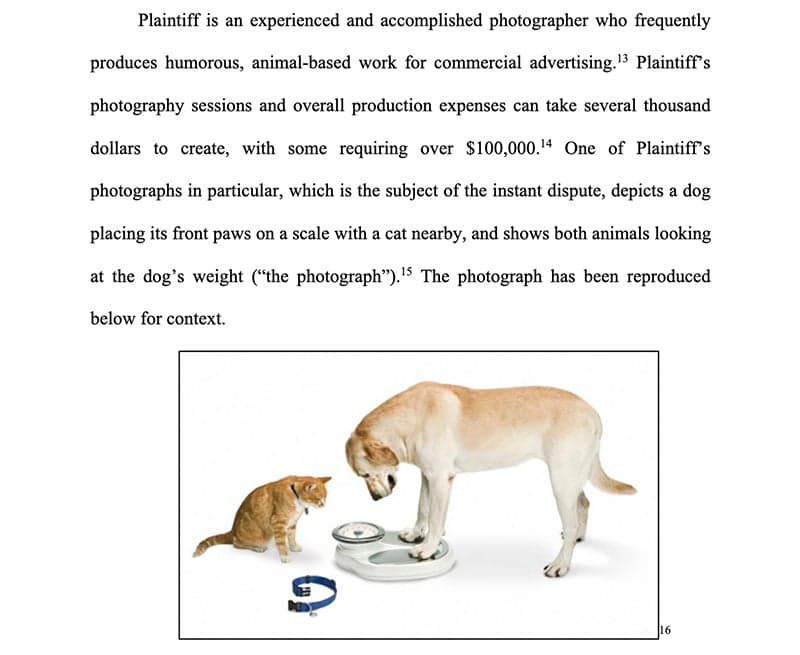
A U.S. District Court drew a hard line in a copyright fight that should land with working photographers: claiming that AI could have made something similar is not the same as proving a right to copy a real photo. In the dispute, a photographer sued a blogger for using an image without permission or a license, and the blogger tried to argue that an AI tool could have generated the same kind of picture, so the work did not deserve copyright protection. The court rejected that logic outright.
That matters because it shifts the argument back to the thing photographers have always had to prove and protect: authorship, ownership, and permission. The court did not accept a fantasy version of the workflow, where a defendant imagines an AI-generated alternative and uses that hypothetical to wash away the actual act of infringement. The central question remained whether the blogger copied a protected photograph without authorization. That is the line copyright law cares about, and the court said the presence of generative tools does not erase it.
California lawyer Rob Freund said the defense would have been damaging to copyright law if it had succeeded, because it would let defendants dodge liability by pointing to something they might have created instead. For photographers, that warning is practical, not abstract. The ruling reinforces that licensing still matters, documentation still matters, and the paper trail around a photo still has real legal weight when a stolen image ends up in a dispute.
It also lands in a media climate where AI language is increasingly used as both a legal and rhetorical shield. The case makes clear that AI is not a magic undo button for infringement. If someone lifts a photograph first and only later says an AI system could have made something close, that does not erase the original copying or the need to answer for it. For photographers trying to protect their work in 2026, the court’s message was blunt: a plausible machine-made imitation does not nullify a real, protected image.
This article was produced by Prism’s automated news system from verified source data, official records, and press releases, then run through automated quality and moderation checks before publishing. The system is built and supervised by the people who set the standards it runs under. Read our full AI policy.
Did this article answer your question?