Divers capture first underwater footage of great white shark in Mediterranean
A ghost-net cleanup in the Strait of Sicily produced what is believed to be the first underwater footage of a great white shark in the Mediterranean.
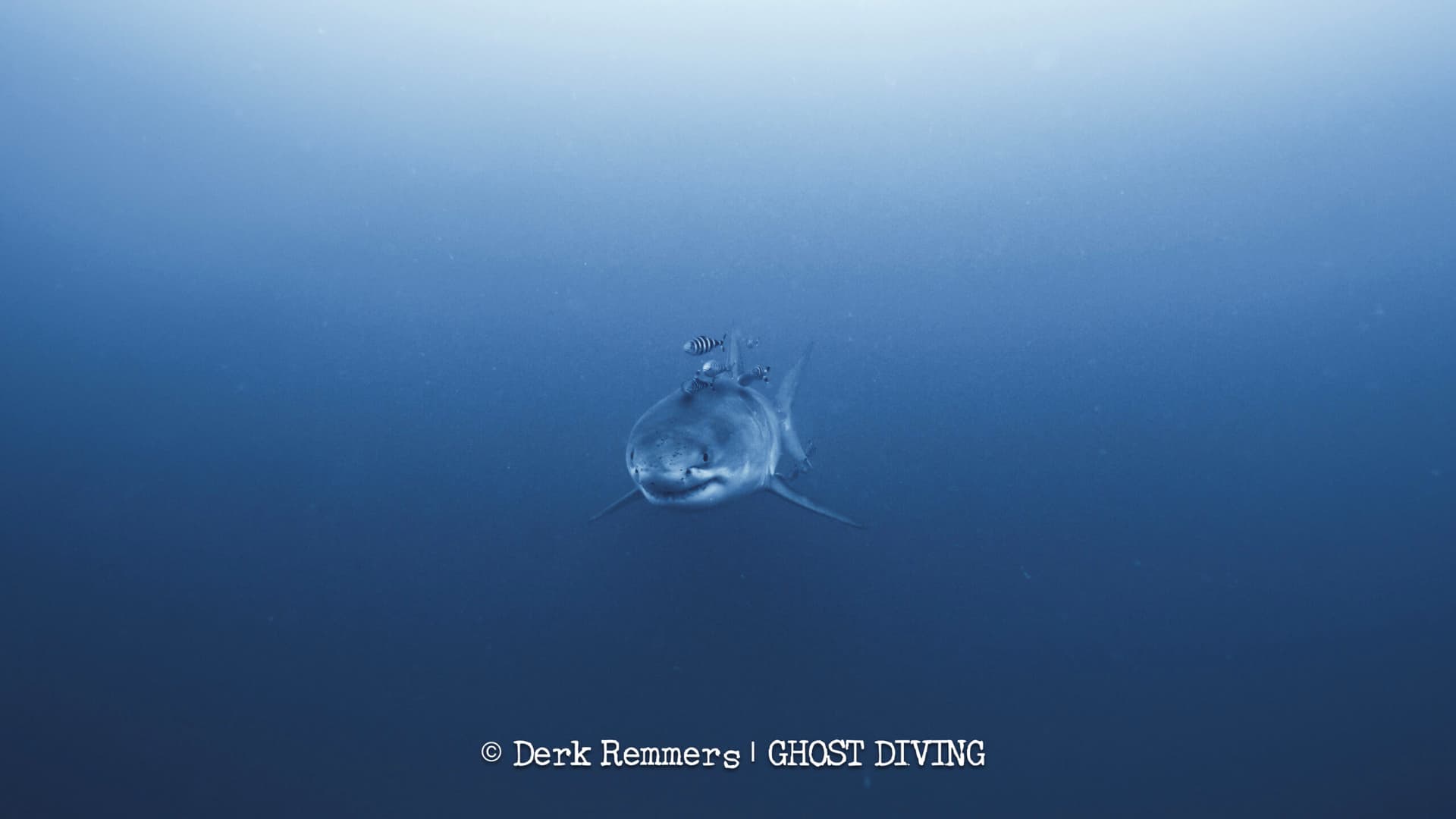
A ghost-net cleanup dive in the Strait of Sicily turned into a milestone for underwater imaging when divers recorded what is believed to be the first underwater footage of a great white shark in the Mediterranean. The encounter happened offshore between Tunisia and Sicily, while the crew was working to dismantle and remove discarded fishing gear, not chasing a wildlife shot.
That context matters. The shark was documented during a real conservation mission organized by Healthy Seas, alongside Ghost Diving and the Society for the Documentation of Submerged Sites. Healthy Seas described the site as a heavily exploited fishing area and a biodiversity hotspot, and said earlier dives there had already found endangered loggerhead sea turtles and large fish trapped in abandoned gear.
For photographers and marine videographers, the value of the clip goes beyond rarity. It shows how disciplined field work can turn a brief encounter into a credible record. Dr Carlo Cattano of the Sicily Marine Centre at Stazione Zoologica Anton Dohrn said most knowledge of Mediterranean white sharks comes from dead specimens caught by fishing operations, which makes live underwater documentation especially unusual and scientifically useful.
The new footage lands against a long paper trail of decline. The Shark Trust says the white shark is a rare but persistent inhabitant of the Mediterranean, even as its distribution, habitat and population trends remain poorly understood. A discussion tied to Food and Agriculture Organization records points to 773 Mediterranean white shark records from 1860 through 2016, and a 2020 analysis suggested a 61% reduction since the second half of the last century. Separate summaries of that work have put the decline at 52% to 96% across different Mediterranean sectors.

Recent field science has added more weight to that picture. Frontiers in Marine Science reported three pilot expeditions in the Sicilian Channel from 2021 to 2023 that included 159 eDNA samples, 359 hours of pelagic mid-water baited video surveys, 43 hours of deep-water benthic baited video surveys and 111 hours of fishing. Those expeditions detected white sharks at four sites from eDNA samples and described the Mediterranean population as historically abundant and widely distributed, but now reduced to dangerously low levels.
Nottingham Trent University has also pointed to a 2020 genetic study led by the University of Bologna, which found the Mediterranean lineage had been isolated for around 3.2 million years and carried very low genetic diversity, making it especially fragile. The General Fisheries Commission for the Mediterranean says white sharks should be released alive and not retained, landed, stored, sold or displayed.
What the divers captured was more than a rare shark sighting. It was the kind of field image that depends on preparation, caution and timing, the sort of frame that can help make an invisible ecosystem impossible to ignore.
This article was produced by Prism’s automated news system from verified source data, official records, and press releases, then run through automated quality and moderation checks before publishing. The system is built and supervised by the people who set the standards it runs under. Read our full AI policy.
Did this article answer your question?