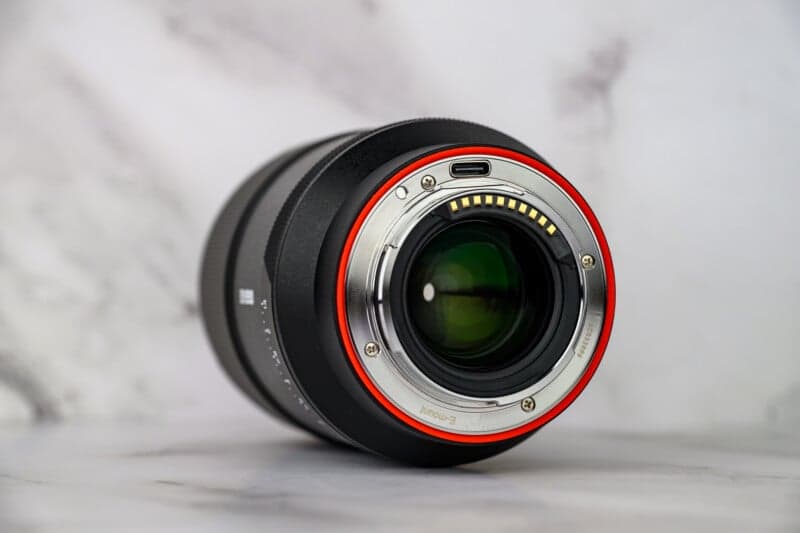
Do affordable APO lenses really improve image quality?
Cheap APO glass can clean up birds, backlit portraits, and bright-sky branches, but the badge only matters when the files actually lose color fringing.
What APO really buys you
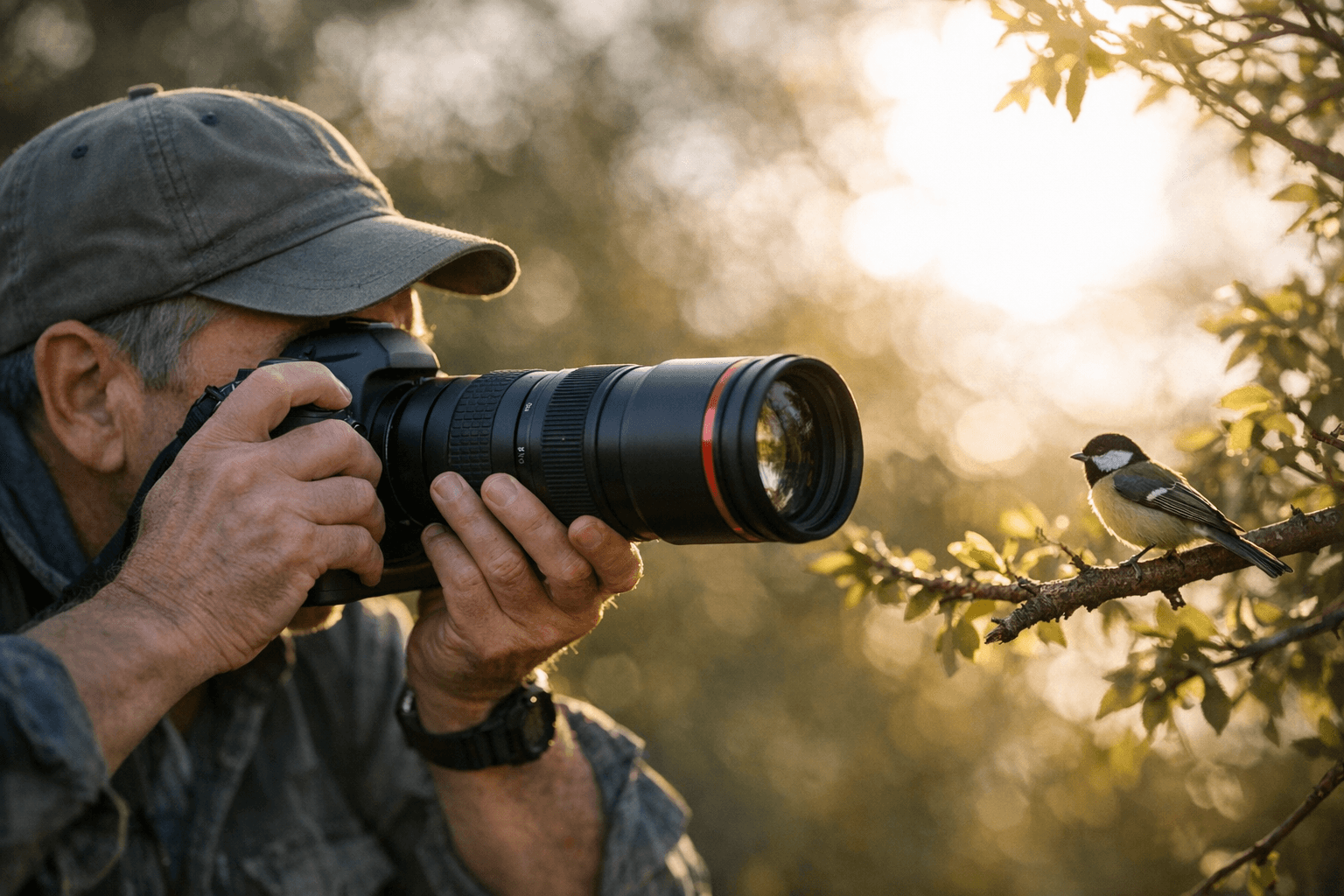
Point a lens at a bird with white feathers against dark reeds, a portrait rim-lit by late sun, or a line of bare branches cutting across a bright sky, and the APO question gets real fast. That is where apochromatic correction matters most: it is built to reduce color fringing and control chromatic aberration along high-contrast edges, so the image looks cleaner instead of smeared with stray purple or green halos.
That sounds like a small thing until you zoom in on a modern file. The newer the sensor, and the more closely you inspect the image, the easier it is to see whether a lens has been carefully corrected. On a sharp body, a weak optic can leave edge detail looking noisy and colored in all the wrong places, especially around metal, feathers, hair, and twiggy subject matter. When APO works, it does not shout. It just stops those edges from looking messy.
Where you will see the difference fastest
APO correction is easiest to appreciate in scenes that punish a lens. Backlit subjects are the obvious one, because hard light makes chromatic aberration stand out. High-contrast subjects do the same thing, whether that means a bird against a pale sky, a portrait with sunlit hair, or reflective metal edges that can look purple or green if the lens is not keeping up.
Landscape shooters have another classic test: tree branches against a bright sky. That is a brutal edge case in the literal sense, and it shows why a cheap APO lens can feel like a breakthrough when it behaves well. If the lens keeps those branch edges neutral instead of painting them with color bleed, the whole frame looks more disciplined and more expensive than the price tag suggests.
Why the badge is not the whole story
Here is the buyer-defense part: APO is not a magic stamp that makes everything better. A well-designed non-APO lens can still be excellent, and an APO-branded lens can still disappoint if the rest of the design is weak. Sharpness consistency matters. So does flare resistance, focus breathing, and build quality. If any of those pieces are off, the APO label will not rescue the final image.
That is why the right question is not whether the barrel says APO. The real question is what the lens does in the files. A badge can sound like a promise, but photography is full of optical terms that look transformative on paper and turn out to be much more modest in actual use. Buyers get burned when marketing language outruns the performance they can see at 100 percent on a screen.
Who should care most
If you shoot birds, portraits, or landscapes with lots of fine edge detail, APO is worth paying attention to because those subjects reveal chromatic aberration quickly. The same goes for anyone who likes crisp, clean rendering and hates having to fix color fringing later. In those cases, a well-corrected lens can save time in post and make the image look cleaner straight out of camera.
If your work is softer by nature, or you rarely place subjects against bright, contrasty backgrounds, the gains may be harder to spot. That is where the marketing gets dangerous. You can spend extra for a word on the barrel and never actually run into the kind of scene that makes the correction visible. For some photographers, that means APO is a useful tool. For others, it is just an expensive confidence boost.
The practical test to use before buying
The smartest way to judge an affordable APO lens is to imagine the exact scenes you actually shoot and ask what would happen at the edges. Do you photograph birds perched against open sky? Do you shoot backlit portraits where hair and shoulders outline against the sun? Do you like bare winter branches, railings, or metal structures where fringing jumps out immediately?
If the answer is yes, APO can be a genuine image-quality upgrade. If the answer is no, the money may be better spent on the basics that shape the whole experience: reliable sharpness, solid flare control, and a build that feels consistent from shot to shot. That is especially true with budget glass, where one strong-sounding abbreviation can distract from the parts of the lens that matter every single frame.
Why cheaper APO lenses are interesting anyway
The encouraging part is that advanced optical correction is no longer locked behind the most expensive prestige glass. Affordable APO lenses could make high-end-looking rendering available to more hobbyists and enthusiasts, which is a real win if the performance holds up. Cleaner edges and better color control are not luxury flourishes when you are working hard to make an image feel polished.
That is also why this trend deserves skepticism. The more budget lenses borrow the APO label, the more carefully you have to separate genuine optical improvement from branding. A good affordable APO lens can absolutely earn its place by delivering cleaner files on difficult subjects. A bad one just teaches you that three letters on a barrel are not the same thing as a better photograph.
The bottom line is simple: APO is most valuable when your shooting style regularly triggers color fringing, especially on high-contrast edges. If your real-world frames are full of birds, backlit portraits, bright skies, and hard outlines, the difference can be obvious. If not, the badge may look more impressive than it performs, and the files will tell you the truth long before the marketing copy does.
This article was produced by Prism’s automated news system from verified source data, official records, and press releases, then run through automated quality and moderation checks before publishing. The system is built and supervised by the people who set the standards it runs under. Read our full AI policy.
Did this article answer your question?