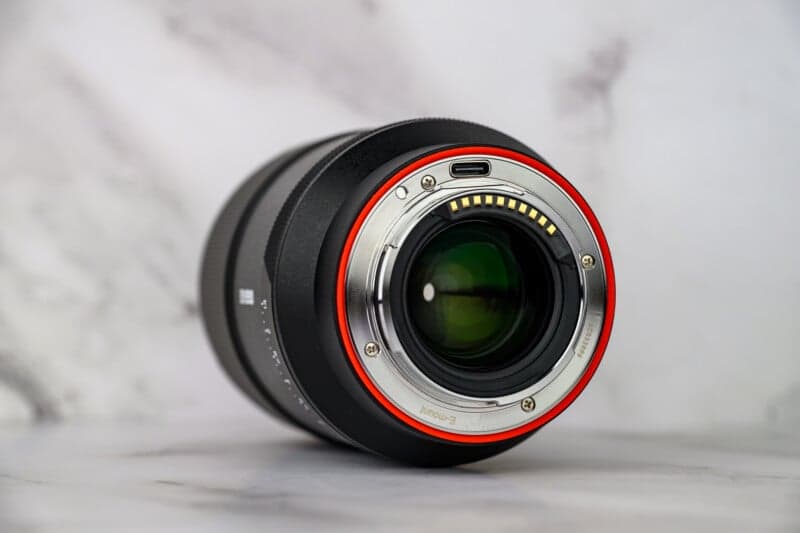
PetaPixel Corrects Canon 14mm f/1.4L VCM Astrophotography Review Error
A $2,599 Canon 14mm f/1.4L VCM got a rare review correction after its astrophotography flaw was misdiagnosed, showing how one bad sample can skew a four-figure buy.
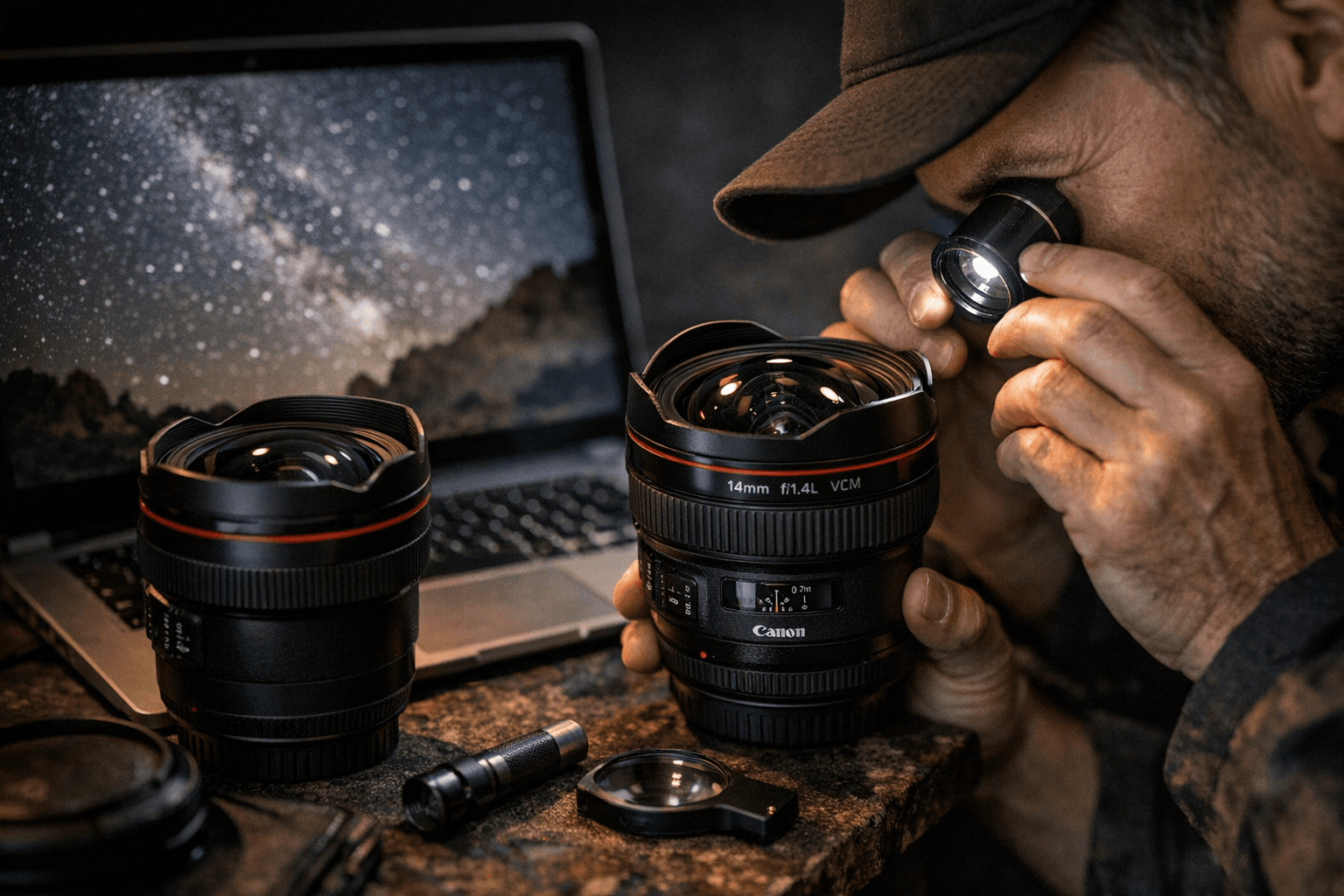
A single wrong explanation can send a $2,599 lens down the wrong path, and PetaPixel made that clear when it revisited the Canon 14mm f/1.4L VCM after its early astrophotography verdict needed correcting. The lens, which weighs 578 grams, or 20.4 ounces, had already raised eyebrows as a compact full-frame 14mm f/1.4 prime. Then the night-sky testing raised questions of its own, and PetaPixel said the original theories offered by readers and viewers missed the mark.
That matters because this is not just another ultra-wide. Canon officially announced the RF14mm F1.4 L VCM on February 4, 2026, and billed it as its brightest ultra-wide interchangeable lens ever. The optic sits in Canon’s f/1.4L VCM family, which began in June 2024 and expanded through 35mm, 24mm, 50mm, 20mm and 85mm before the 14mm became the sixth lens in the lineup. Canon paired the 14mm’s aggressive aperture with 18 elements in 13 groups, an 11-bladed diaphragm, Canon’s VCM autofocus system and a rear gelatin or polyester filter slot instead of front filter threads, a necessity with the bulbous front element.
Astrophotography is where lenses like this get exposed. Stars punish edge performance, reveal coma and field curvature, and make any optical compromise impossible to ignore. Canon positioned the lens for astro, architecture and video, and DPReview noted that, outside of Canon’s Dual VR optics, it was the widest-angle prime for RF mount and filled a real hole in the mirrorless lineup for shooters who wanted a fast, high-end ultra-wide. The lens also focuses as close as 0.24 meters, about 9.4 to 9.5 inches, which makes it far more versatile than a one-trick night-sky specialty lens.
The correction itself is the important part. PetaPixel had published its original Canon 14mm f/1.4L VCM review on February 12, 2026, and came back on April 23 to say the astrophotography issue had been explained incorrectly. That is exactly the kind of follow-up that matters when a lens costs four figures and is likely to be bought for landscapes, stars and high-stakes work where first impressions can harden into buying decisions. Reviews are not final verdicts, especially on newly released gear that is expected to perform in one of the harshest tests in photography.
For Canon shooters, the lesson is straightforward. A strange result in one review sample does not always define the lens, and a public correction is part of what keeps serious gear testing credible. On a premium optic this specialized, waiting for the follow-up can save a lot of regret.
This article was produced by Prism’s automated news system from verified source data, official records, and press releases, then run through automated quality and moderation checks before publishing. The system is built and supervised by the people who set the standards it runs under. Read our full AI policy.
Did this article answer your question?