Dora Goodman Cameras shuts down online store amid rising costs
Dora Goodman Cameras is closing its store, leaving DIY analog shooters with a rare open-source camera brand still alive in GoodLab but under pressure from costs and tariffs.
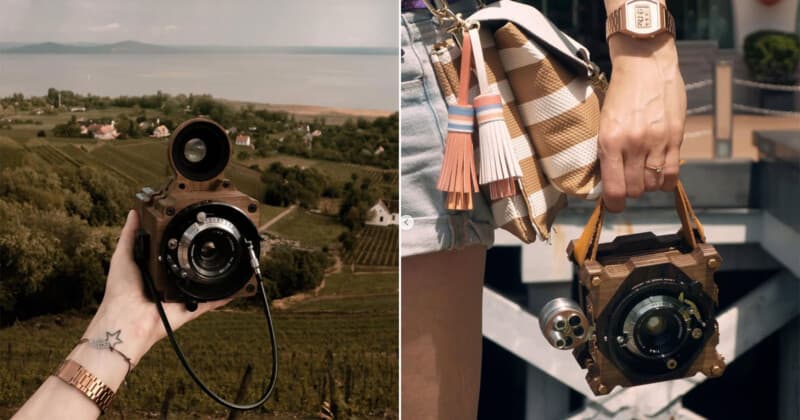
Dora Goodman Cameras is shutting down its online store, a blunt sign that even the most inventive corners of analog photography are feeling the squeeze. The Budapest-based builder said the decision was driven by a rapidly changing market and rising costs, and it has already started a closing sale with 20% off remaining stock. Some DIY kit backorders will stay open for a limited time.
For current owners, the key detail is that this does not look like a total disappearance. The closure appears limited to the store, while GoodLab, the company’s open-source repository of 3D-printable files, may remain available to supporters. Goodfinder, the iPhone and iPad viewfinder app, is also not affected. That means the brand’s ecosystem is not vanishing overnight, but the storefront that tied together parts, kits, and new hardware is going quiet.
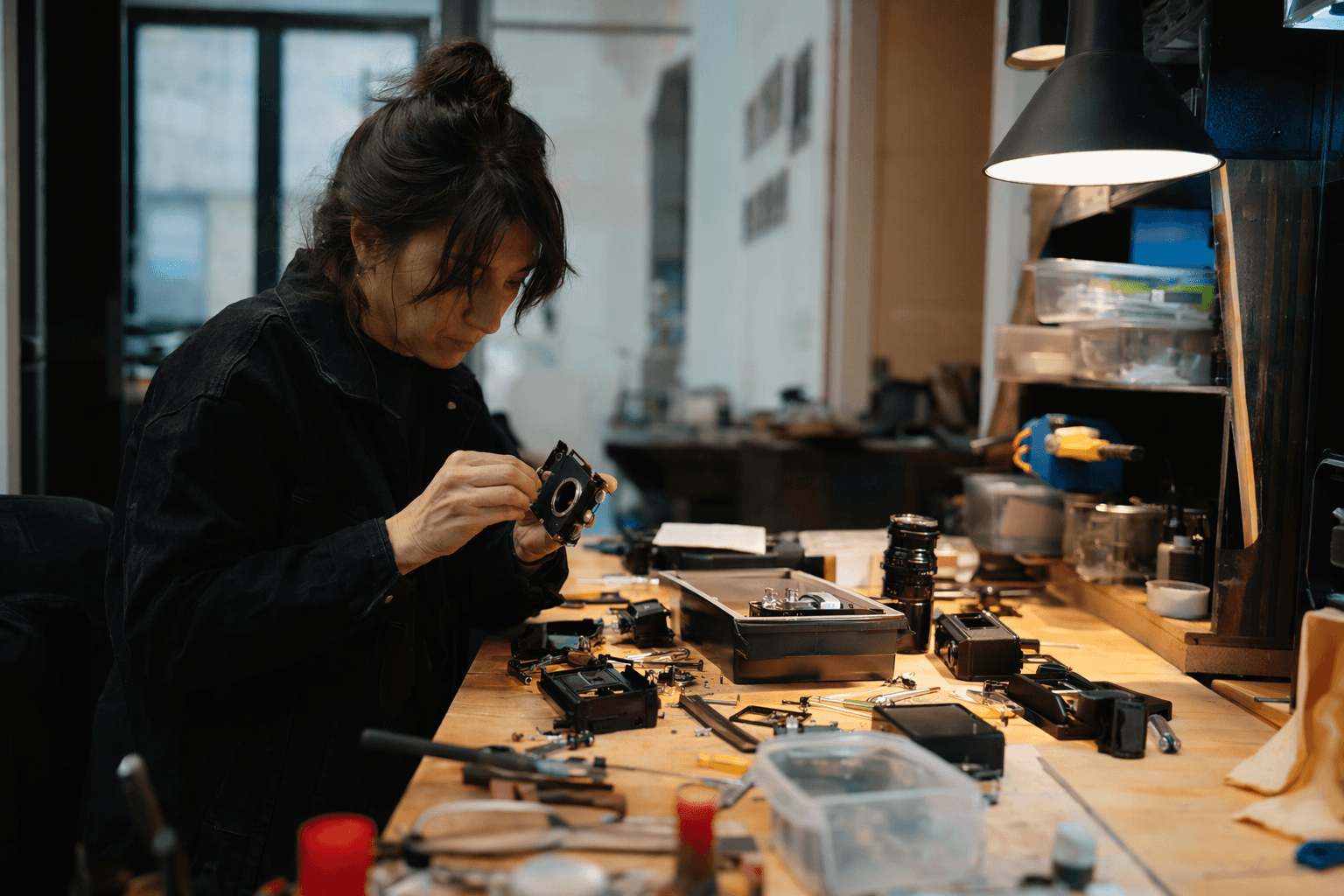
That matters because Dora Goodman Cameras was never just another small camera seller. The company was created in 2016 to personalize and customize analog cameras, then grew from a one-person reskinning operation into a small team making its own original film bodies. Its line expanded into affordable, customizable medium-format film cameras, 35mm cameras, and pinhole cameras, with open-source projects such as the Goodman ONE and Goodman AXIS showing how deeply the brand leaned into DIY culture. A 2021 interview described the team as making 3D-printed medium-format and pinhole cameras, plus one-of-a-kind custom film cameras.
The company’s own material has long framed that work as a bridge between eras, saying it builds on the long tradition of analog photography and mixes the old with the new. GoodLab fits that philosophy: basic files are free to download for people with a 3D printer or the skill to build a camera from scratch, and the platform encourages users to customize and modify the files. That openness may help the designs live on, even as the retail side closes.
Still, the shutdown is a warning for the boutique camera world. Rising costs, tariff pressure, algorithm-driven visibility problems, and even a recurring website issue were all named as obstacles. For owners, that can mean a thinner path to replacement parts, fewer factory-backed repairs, and a harder resale market once a small maker stops taking fresh orders. For everyone considering small-batch gear, it is another reminder that in analog photography, the most fragile part of the camera ecosystem is often the business behind the craft.
This article was produced by Prism’s automated news system from verified source data, official records, and press releases, then run through automated quality and moderation checks before publishing. The system is built and supervised by the people who set the standards it runs under. Read our full AI policy.
Did this article answer your question?