DPReview says Nikon ZR is a cinema camera, not a stills hybrid
Nikon’s ZR is built for filmmakers first, and that changes who should buy it. DPReview’s verdict helps stills shooters avoid mistaking a cinema tool for a hybrid.
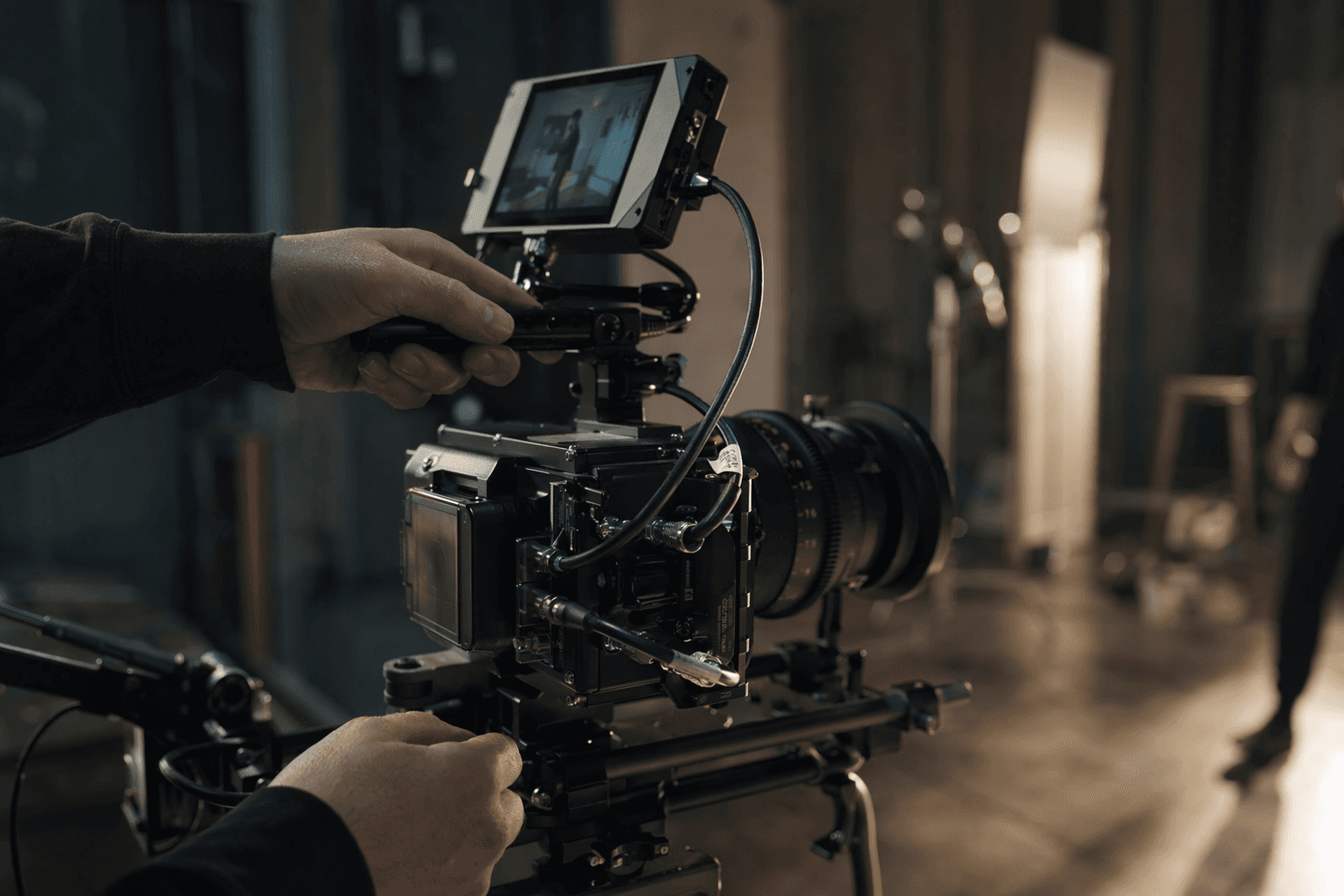
The Nikon ZR is not a stills camera that got ambitious about video. That is the buying decision correction at the center of DPReview’s review, and it matters because the camera wears Nikon and RED branding in a way that can fool photo-minded shoppers into expecting a do-everything hybrid. Instead, the ZR is Nikon’s first Z Cinema Series body, the smallest model in that line, and it was built from the ground up for cinema, high-end productions, and creators.
The foundation looks familiar because Nikon gave it the same 24.5-megapixel partially stacked sensor used in the Z6 III. That similarity is useful, but it is also where the easy misunderstanding starts. The sensor tells you the ZR is not a toy; the rest of the camera tells you that Nikon wants you thinking about codec choice, audio capture, and workflow before you think about bursts, galleries, and stills ergonomics.
What makes the ZR a cinema body, not a hybrid compromise
DPReview’s framing is blunt for a reason: the ZR’s identity lives in its video-first feature set. The camera adds a new RAW video codec, a video-centric user interface, and internal 32-bit float audio recording, which DPReview notes is a first for the industry. That combination changes how the camera behaves in the real world, because the body is being designed around production pipelines rather than around still image handling with video as a side benefit.
Nikon’s own launch materials back that up. The company announced the ZR on September 10, 2025, as the first model in its Z CINEMA series and described it as the smallest model in that line. Nikon positioned it for cinema, high-end productions, and creators, which is a very different promise from the traditional Nikon mirrorless pitch. This is a camera that wants to live on set, not in a “one body for everything” fantasy.
The features that tell you who this camera is for
The headline specs are not subtle. Nikon says the ZR includes internal 6K RAW recording and RED-derived R3D NE RAW support, which puts it squarely into a serious cinema conversation. Add the world-first 32-bit float audio recording through both built-in and external microphone inputs, and the camera starts looking like a workflow tool rather than a stills body that can also make clips.
The rest of the package follows the same logic. Nikon lists 7.5 stops of in-body image stabilization, deep-learning-based autofocus with nine object-detection types, a 4-inch fully articulated touchscreen, and slow-motion presets including 4K/119.88p and Full HD/239.76p. Nikon also highlights OZO Audio, which reinforces how much attention the company gave to sound capture, not just picture quality.
For video shooters, that matters in daily use. Internal 32-bit float audio means fewer panic-inducing level checks and less chance of clipping a take because the room got louder than expected. A fully articulated 4-inch screen and video-centered interface make the camera easier to live with when you are framing, monitoring, and moving through a production workflow instead of quickly grabbing stills between scenes.
Who should stop judging it like a stills-first body
If you are a hybrid creator, the ZR becomes interesting very quickly. It gives you Nikon color, a current high-resolution sensor foundation, robust stabilization, and the kind of internal recording options that reduce the need for extra boxes and workarounds. If your work flips constantly between motion and stills, the ZR’s appeal is not that it is perfect at both, but that it is unapologetically optimized for the kind of video work hybrid shooters increasingly get paid to do.
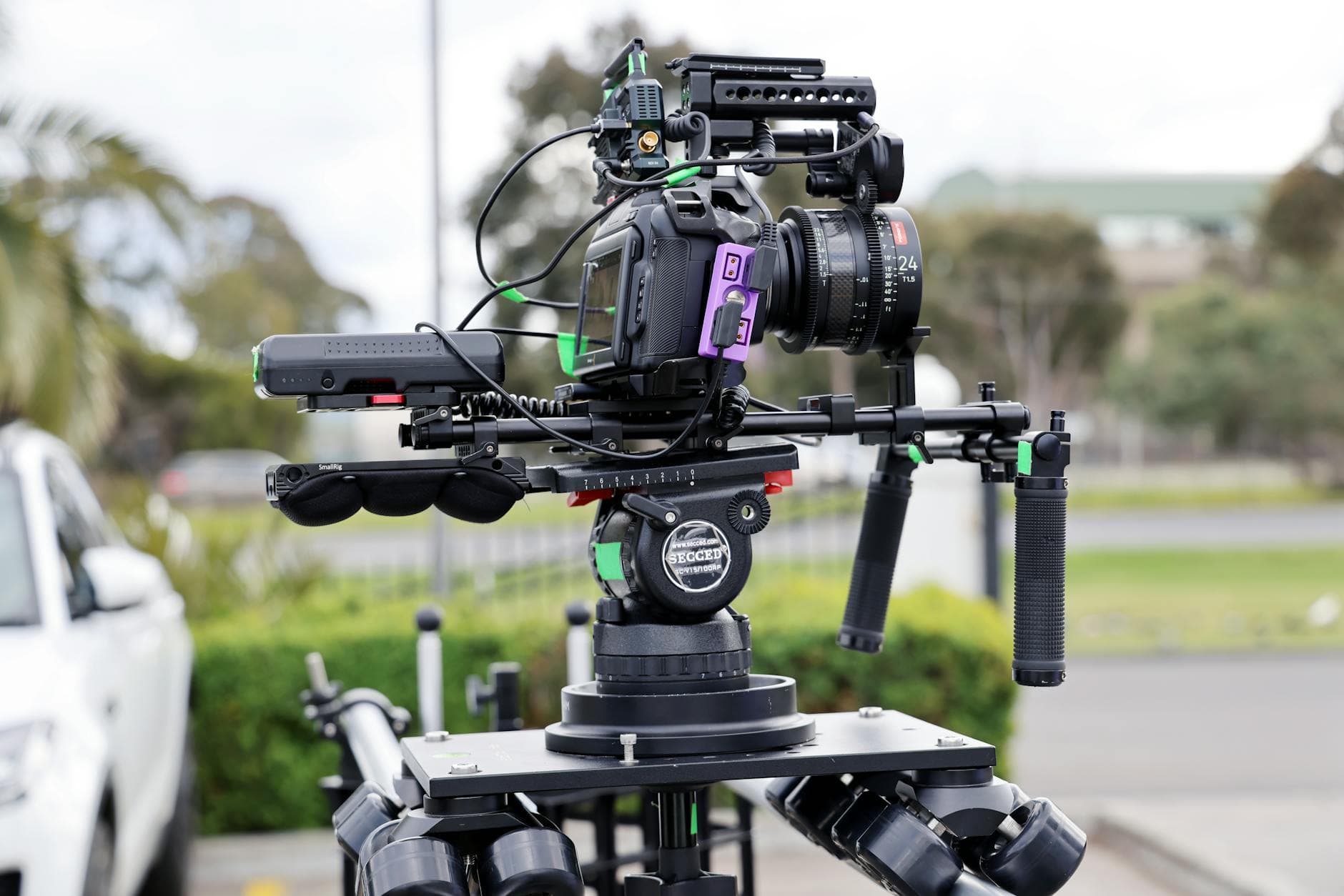
If you are video-first, the case is even clearer. The ZR is built for people who care about codec flexibility, audio path, and interface design as much as they care about autofocus and stabilization. DPReview’s verdict makes the point that this is where Nikon’s most visible innovation is going right now, and that matters if your livelihood depends on a camera that behaves like production gear rather than a photo camera with a movie mode.
If you are a Nikon loyalist, the ZR is also a statement. Nikon acquired RED Digital Cinema in 2024, and the ZR is one of the first prominent products to emerge from that relationship. That makes the camera more than a spec sheet; it is a signal that Nikon intends to compete seriously in a segment long shaped by Canon, Sony, Panasonic, and Blackmagic.
Why the RED connection changes the story
The RED branding is not cosmetic. DPReview identifies the ZR as Nikon’s first camera to wear Red branding alongside Nikon’s name, and that partnership is central to the camera’s identity. Nikon says the body combines Nikon and RED technologies, while DPReview points to RED-derived color science and the new RAW video pipeline as key parts of the appeal.
That is why the ZR should be understood as a camera with a cinema lineage, not as a stills camera that borrowed a few video tricks. The acquisition of RED in 2024 gave Nikon a route into a higher-end filmmaking culture where terminology like RAW workflow, shutter angle, and audio capture are not side notes. They are the whole game.
The practical tradeoff for photographers
The biggest risk here is misbuying. If you mainly want a photo camera and only occasionally shoot clips, the ZR’s strengths may be overkill in the wrong direction. The body is optimized for cinema priorities, so a stills-first buyer may end up paying for features and interface choices that only make sense when motion is the primary job.
That does not make the ZR less important for photographers. It shows where Nikon is placing serious product development, and it shows how the company now separates stills and cinema even as the underlying sensor technology converges. The 24.5-megapixel partially stacked sensor gives the ZR a familiar starting point, but everything built around it pushes toward production, not snapshot versatility.
The ZR is easiest to understand when you stop asking whether it fails as a hybrid and start asking which shooters should stop expecting hybrid behavior in the first place. The answer is clear: if your work is driven by video, audio, and codec decisions, this is Nikon speaking directly to you. If your work is driven by stills first, the ZR is the reminder that not every modern interchangeable-lens camera is meant to serve the same master.
This article was produced by Prism’s automated news system from verified source data, official records, and press releases, then run through automated quality and moderation checks before publishing. The system is built and supervised by the people who set the standards it runs under. Read our full AI policy.
Did this article answer your question?