Erez Marom captures Sichuan wildlife with Canon R5 II and 100-500mm lens
Erez Marom’s Sichuan work shows how to shoot mountain wildlife when distance, weather, and altitude keep winning. The real lesson is why a 100-500mm zoom can beat a giant prime in the field.
Fieldcraft matters more than the scenery
Erez Marom’s Sichuan assignment is the kind of wildlife story that looks effortless only after the hard part is over. The animals live in steep country, the subjects do not sit still, and the usable frames often come from brief openings in weather and terrain rather than from any kind of predictable encounter. That is why the piece lands for photographers now: it is not selling an exotic destination, it is showing how patience, scouting, and disciplined lens choice turn a difficult mountain assignment into usable wildlife photographs.
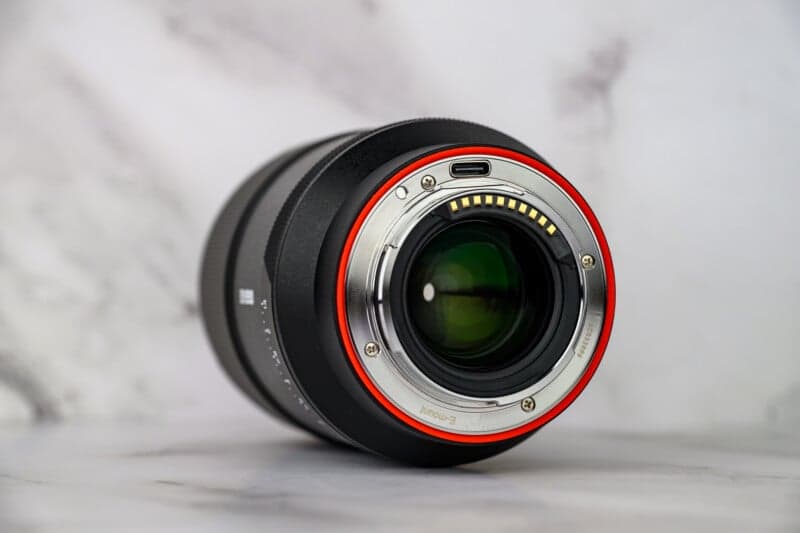
The most useful part of the story is how plainly it connects equipment to field conditions. Marom shot the feature with a Canon EOS R5 Mark II and a Canon RF 100-500mm f/4.5-7.1L IS USM, a pairing that makes sense when you are working at long distance and do not want to lug a giant prime through rough country. Canon launched the EOS R5 Mark II on July 17, 2024, and Canon describes the RF 100-500mm as a highly portable super-telephoto zoom intended in part for wildlife photography. That combination is not about studio perfection. It is about getting into position, staying mobile, and still having enough reach when the animal is across a slope or halfway through a ridge line.
Why the 100-500mm zoom is the smart field choice
A lot of wildlife shooters still romanticize the giant prime, but this story is a reminder that flexibility often wins in the mountains. The RF 100-500mm covers a 100-500mm focal length range and focuses as close as 0.9m at 100mm and 1.2m at 500mm, which gives you room to reframe fast when a subject suddenly moves closer or when the background improves. In difficult terrain, that kind of adaptability matters more than chasing the biggest possible aperture.
The practical lesson is simple: when you are shooting in remote places, the lens that survives the day and keeps you responsive is often the one that gets the keepers. A super-telephoto zoom like this is a strong alternative to a heavier prime when you expect changing distances, uneven footing, and unpredictable subject behavior. If you have ever missed a frame because you were either too tight or too wide and could not adjust quickly, you already understand why this kit choice is the real story.
- Use the zoom range to follow behavior, not just to fill the frame.
- Stay light enough to move when the animal changes elevation or angle.
- Treat close-focus capability as a bonus for environmental framing, not just for near subjects.
Sichuan rewards patience, not guesswork
The animals in this story are not posing on command, and that is exactly why the feature is useful. Marom’s approach shows the craft behind wildlife photography: scout carefully, stay observant, and be ready for the subject to appear only briefly. In mountain country, you are often working from a patch of cover, a distant ridge, or a narrow clearing where the animal appears for seconds rather than minutes.
That kind of field discipline is what hobbyists can carry home from a story like this. It is not about having the longest lens in the bag. It is about knowing when to hold position, when to wait out the weather, and when to trust that a subject’s movement will eventually create a cleaner frame. In the Sichuan mountains, patience is not a personality trait. It is part of the technique.
What the Sichuan takin teaches you about wildlife behavior
The feature puts special attention on the Sichuan takin, or Budorcas taxicolor tibetana, and that matters because the species itself shapes the photographs you can make. The Sichuan takin is listed as Vulnerable on the IUCN Red List, and IUCN places its range along the eastern margin of the Tibetan Plateau, including the Min and Qionglai mountains. This is not a subject you casually stumble on in easy light at close range. It is a mountain ungulate built for rugged country, and the landscape is part of the story.
That is why the images work as fieldcraft lessons. When the subject is a large, wary animal in broken terrain, your job is to read posture, slope, and spacing before you even raise the camera. If you understand where the animal is likely to pause, which direction it may travel, and how the background will collapse behind it at 500mm, you are already ahead of the frame.
Tangjiahe gives the story its conservation backbone
One of the featured locations, Tangjiahe National Nature Reserve, adds the conservation context that keeps the images from feeling like mere travel photography. The reserve covers 40,000 hectares, was established in 1978, and was promoted to national nature reserve status in 1986. Its stated conservation targets include giant panda, takin, and golden snub-nosed monkey habitat, which makes it a dense wildlife landscape rather than a single-species stop.
That matters for photographers because protected habitat changes the kind of shooting you can expect. You are not working in a zoo or an animal park. You are in terrain managed for conservation, where the photographic outcome depends on natural movement patterns, weather, and access. The reserve’s scale and purpose help explain why Marom’s images feel rooted in real fieldwork instead of staged encounters.
The photographer behind the assignment
Marom’s own background fits the assignment perfectly. His website says he concentrates on landscape and wildlife photography and also spends much of his time teaching photography and guiding workshops worldwide. Public bios describe him as a full-time professional nature photographer since 2012, after earlier work as a musician and math lecturer. That mix of technical discipline and outdoor experience shows in the kind of work he pursues.
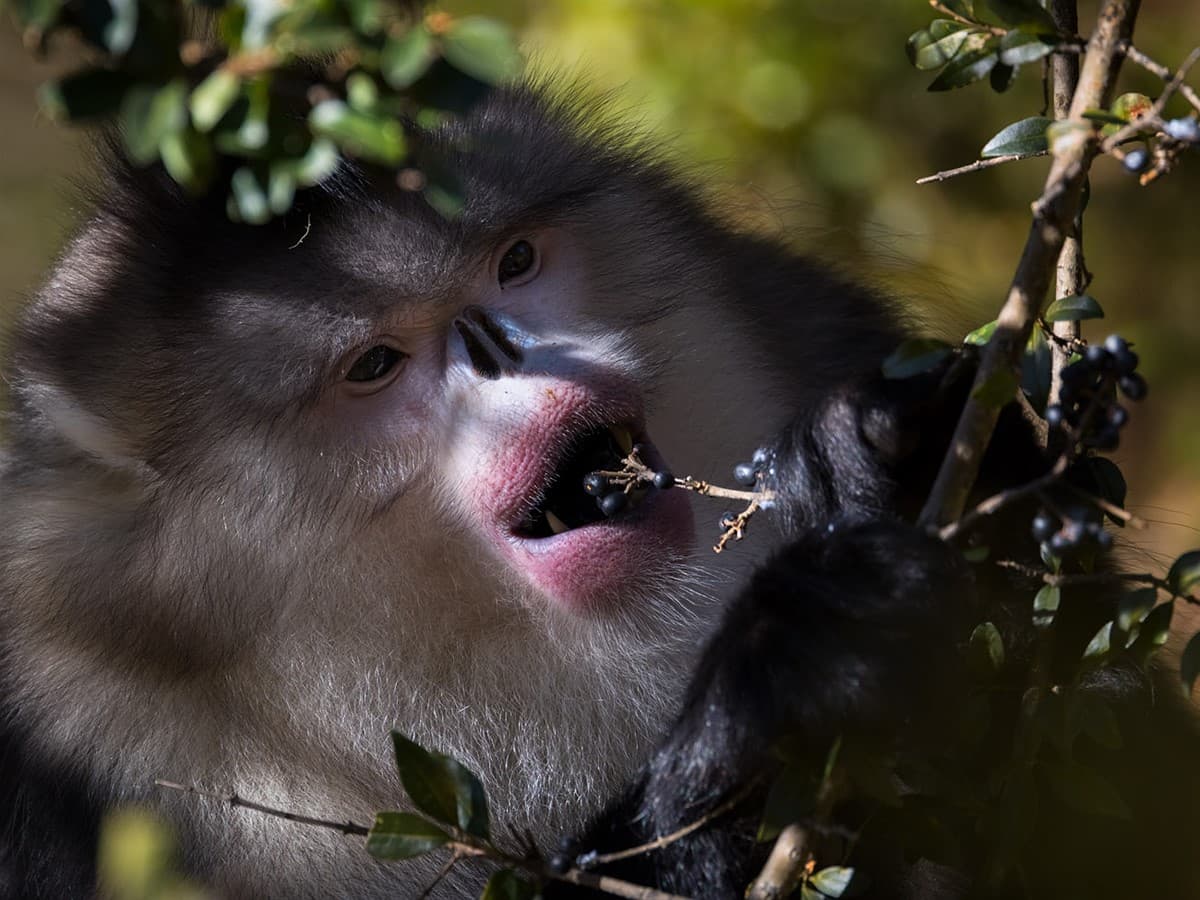
This is also part of a larger China project, not a one-off detour. The Sichuan installment follows an earlier article about photographing black-and-white snub-nosed monkeys in Yunnan, which makes the broader series feel like a study of China’s mountain ecosystems rather than a simple destination feature. For photographers, that framing is useful because it ties equipment choice, terrain, and species behavior together across different reserves and elevations.
What to take from this in your own wildlife shooting
The biggest takeaway from Marom’s Sichuan work is that serious wildlife photography is usually won before the shutter click. You need the right reach, but you also need the discipline to wait for usable posture, clean separation, and a moment when the mountain does not work against you. A portable long zoom like the RF 100-500mm is practical precisely because it lets you react without sacrificing mobility.
- Carry a lens that matches the terrain, not just the subject list.
- Favor a setup that lets you reframe quickly when distance changes.
- Watch how animals use the landscape before you commit to a composition.
- Expect weather, elevation, and access to shape your success as much as the gear does.
If you are planning your own wildlife sessions, this story points to a durable set of habits:
That is the real value of the Sichuan feature. It turns a remote assignment into a usable field manual: choose gear that keeps you moving, read the animal as carefully as the landscape, and accept that in mountain wildlife photography, patience is not a virtue on the side. It is the entire workflow.
This article was produced by Prism’s automated news system from verified source data, official records, and press releases, then run through automated quality and moderation checks before publishing. The system is built and supervised by the people who set the standards it runs under. Read our full AI policy.
Did this article answer your question?