ETH Zurich pixel research points to camera-display hybrid future
ETH Zurich’s Fourier pixel blurs the line between sensor and screen, hinting at camera-display hybrids that could reshape imaging far beyond a lab demo.
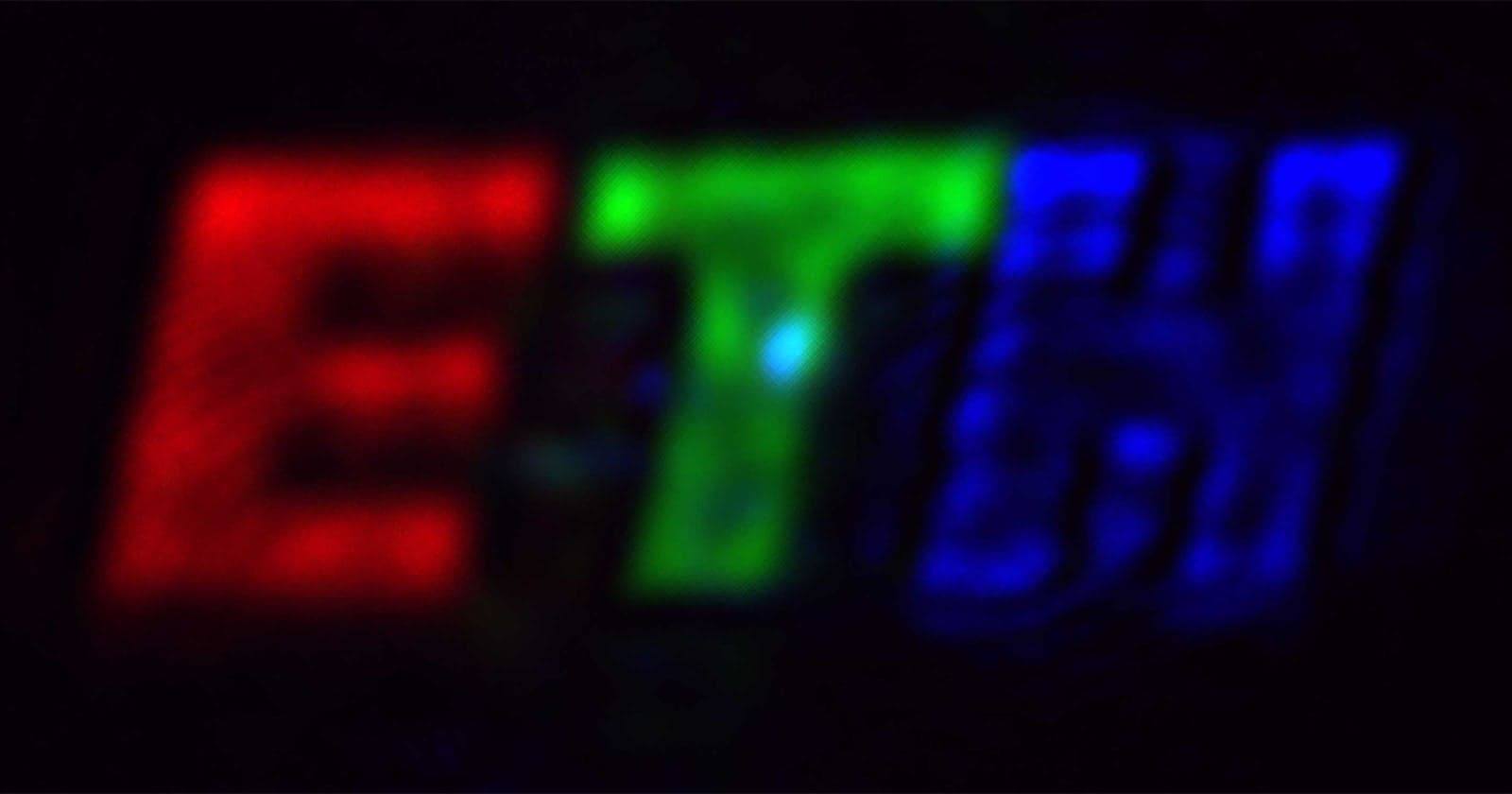
The most interesting part of this story is not that a pixel got brighter or sharper. It is that ETH Zurich’s new design hints at a pixel that could one day both show an image and read one back. For photographers, that means the familiar split between the thing that captures light and the thing that emits it may not be as permanent as it looks.
What ETH Zurich actually built
The work comes from a team led by David Norris at ETH Zurich, and the researchers call the design Fourier pixels. In ordinary gear, camera pixels record light and display pixels emit it. This system breaks that separation by letting a single pixel analyze and steer light at the same time, which is why it stands out as more than a clever lab trick.
That dual role matters because the research is not only about intensity or brightness. The underlying advance reaches into the phase and polarization of light as well, two properties that sit below the surface of the image but shape what a sensor can understand and what a display can produce. That makes the idea far more ambitious than a screen that happens to be sensitive to light.
The paper appeared in Nature, which gives the work immediate scientific weight even though the device is still firmly in the research stage. That combination, serious physics and still-unfinished hardware, is exactly what makes it so interesting to imaging people: it points at a new building block without pretending it is already a product.
How the pixel works
The core mechanism uses surface waves and interference. Light hitting a sculpted surface is converted into a surface wave that travels across the chip, then is scattered back out as light in a controlled way. By changing the surface structure, the researchers can shape patterns and images or analyze the light coming in.
That is the real conceptual leap. Instead of treating each pixel as a passive bucket for photons, the design gives it optical behavior of its own, so the pixel can participate in how light is handled. For imaging, that opens a path toward devices that do not just record a scene after the fact, but also actively manipulate what they are showing or sensing.
The term Fourier pixels also signals that the design is not merely mechanical. It is rooted in the math of how light can be decomposed and reconstructed, which is why the same structure can support both display-like and camera-like functions. In practical terms, that means the pixel is being asked to do two jobs that have traditionally lived on opposite sides of the imaging chain.
What this could change for cameras and screens
The most immediate future implication is a camera-display hybrid. If one component can both show and sense an image, a device could eventually become simpler inside, or it could become something entirely new rather than just another incremental mirrorless body or phone screen. That is the promise researchers are reaching for, even if the consumer version is still out of view.
For cameras, this could mean hardware that uses shared imaging elements instead of separate blocks for preview, display, and capture. A future body might do more with less physical complexity, or push imaging behavior into designs that are hard to imagine with today’s sensor-plus-screen layout. The interesting part is not that such a device would replace every current camera, but that it could create a category that does not exist yet.
For screens, the logic cuts the other way. If a display surface can also sense incoming light, it could become more interactive and more aware of its environment, which changes the relationship between user, image, and device. That points toward a class of hybrid devices where the boundary between viewing and recording starts to dissolve.
What it means for photographic workflows
For photographers, the near-term reality is much simpler: this is not a consumer product you can buy, mount, or shoot with now. The work belongs to the research stage, and the value today is in the direction it sketches, not in the gear it delivers.
Still, the idea matters because photographic workflows have always been shaped by the basic parts under the hood. If a future pixel can both display and record light, it could alter how previews are shown, how capture feedback is handled, and how imaging hardware is organized around computational photography. That does not mean a wholesale rewrite of the camera bag tomorrow. It does mean the old assumption that every pixel must belong to either a sensor or a screen may not hold forever.
That is why this research lands with such force in a field that often advances through familiar sensor bumps and lens refreshes. A genuinely new pixel design does more than add a spec to a product sheet. It redraws the line between capture and display, and once that line starts to move, the rest of the imaging pipeline has to imagine itself differently.
The promise here is not an imminent hybrid camera sitting on a retailer shelf. It is something more disruptive and more interesting: a future in which the pixel itself stops choosing sides.
This article was produced by Prism’s automated news system from verified source data, official records, and press releases, then run through automated quality and moderation checks before publishing. The system is built and supervised by the people who set the standards it runs under. Read our full AI policy.
Did this article answer your question?