Fujifilm rumor sparks confusion over black-and-white film services
A translated Fujifilm service notice sparked panic over black-and-white film, but the change applied to shop lab services, not film stocks or chemistry.

A translation slip turned a routine service notice into a full-scale scare for film shooters, with a widely shared post from Kawasaki City saying Fujifilm Imaging Systems would stop black-and-white film developing and printing services and end shipments on July 21, 2026.
That distinction mattered. The notice was about a service used by smaller photo shops that send print orders to Fujifilm, not a blanket move to erase black-and-white film, paper, or chemistry from the company’s lineup. Still, the message landed in a film community already primed to panic. Fujifilm has spent years trimming beloved materials, and slide-film distribution has become increasingly limited in many markets, so even a narrow service change can sound like another retreat from analog.
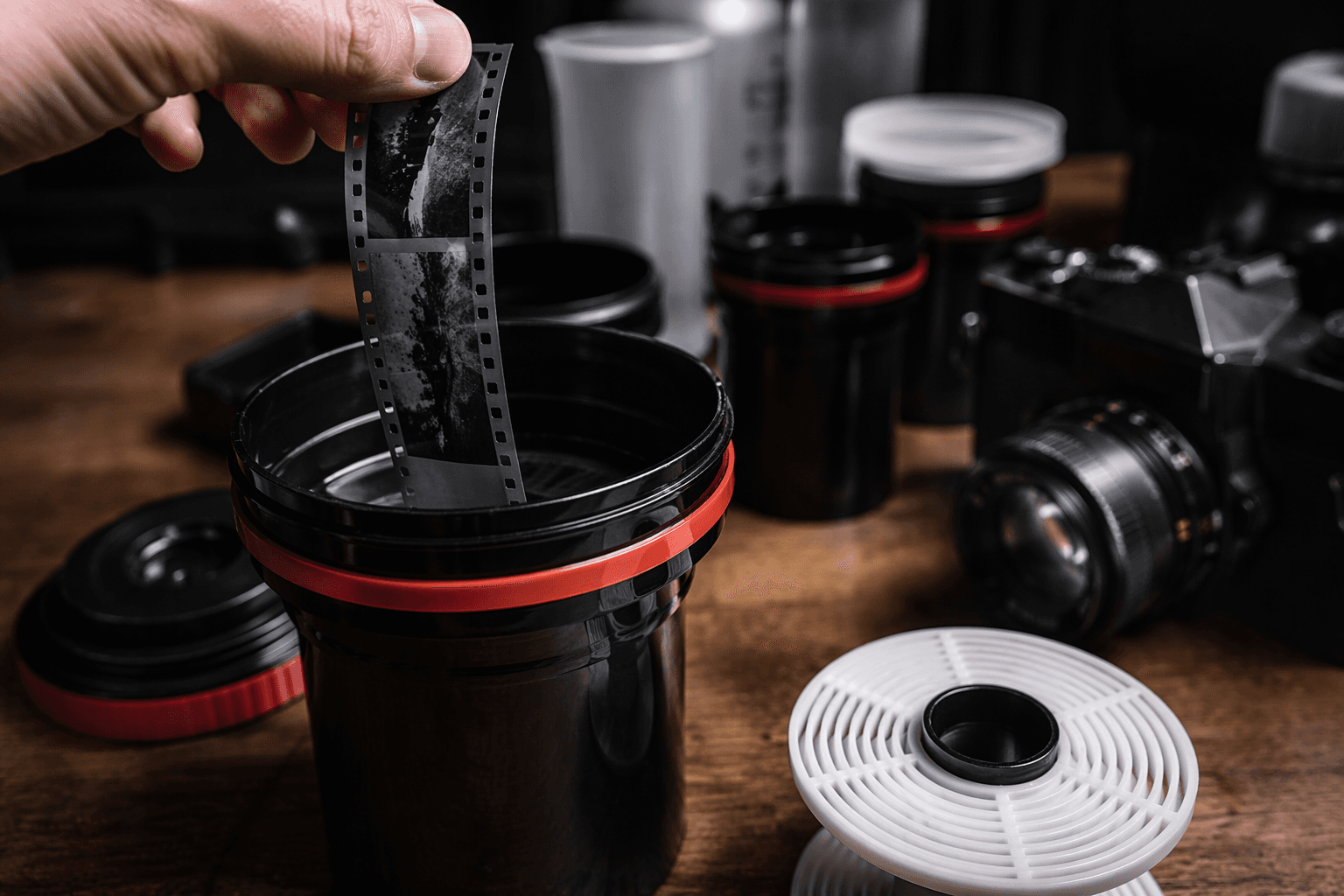
The fastest way to separate rumor from reality is to look at what Fujifilm still sells. Its consumer film pages continue to list instax Mini Monochrome, instax Square Monochrome, and instax Wide Monochrome. Fujifilm’s UK consumer film page also lists Neopan 100 Acros II, described as the company’s newest black-and-white negative film and an ISO 100 black-and-white film. On the business side, Fujifilm’s photofinishing pages still include paper and lab products in the portfolio, which undercuts the idea that the company had walked away from monochrome imaging altogether.
The reaction makes more sense when set against Fujifilm’s long analog history. An earlier company statement said Fujifilm began making film in 1936 and black-and-white printing paper in 1934. Reporting from 2018 said Fujifilm’s black-and-white film sales had fallen to below 1% of their peak in the 1960s, with demand declining by 15% to 20% annually in recent years. In a market that fragile, service-level updates get read as existential warnings.
That is why this rumor spread so fast: a translated post, a dramatic image, and a community already conditioned to expect the worst. For photographers who still depend on Fujifilm film and lab infrastructure, the useful habit is simple but unforgiving: verify whether a post describes a local service change or a true product discontinuation before treating it like the end of black-and-white film.
This article was produced by Prism’s automated news system from verified source data, official records, and press releases, then run through automated quality and moderation checks before publishing. The system is built and supervised by the people who set the standards it runs under. Read our full AI policy.
Did this article answer your question?