Griffin Hammond and the case for useful photography
Why one creator’s career says more about modern visual storytelling than another debate about gear ever could
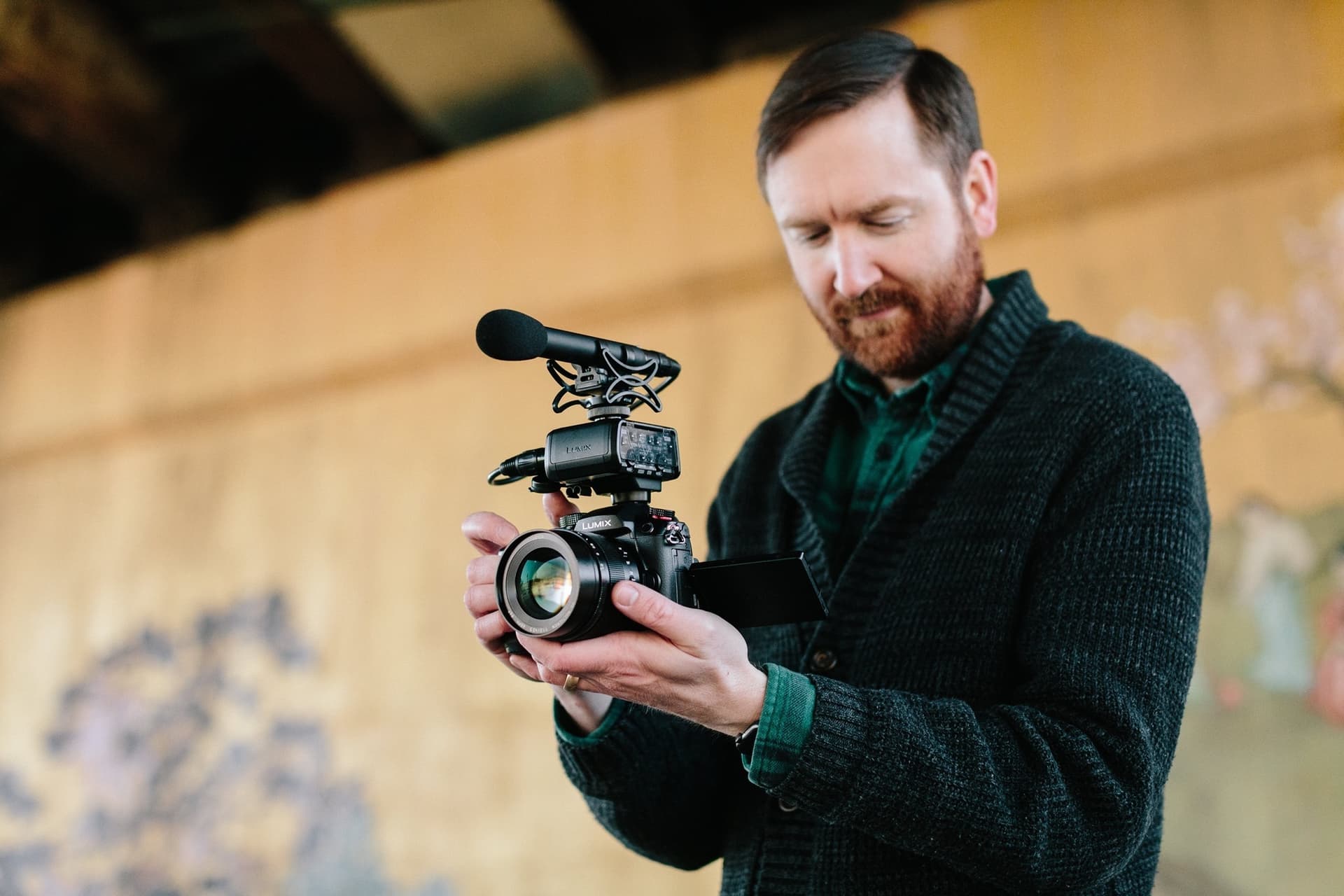
There are many photography and filmmaking creators online who know how to make a frame look beautiful. There are fewer who know how to make images feel useful. Griffin Hammond belongs to the second group. He is a documentary filmmaker, an educator, and a long time internet creator whose work has moved between tutorials, journalism, short documentaries, and creator led media. He is known for his own channel, for his documentary Sriracha, and for his work around Indy Mogul, one of the most recognizable names in online filmmaking education.
That matters because the most interesting thing about Griffin Hammond is not that he knows cameras. Thousands of people know cameras. The more interesting thing is that he has spent years showing that visual work becomes powerful when it solves a problem. Sometimes that problem is educational. Sometimes it is journalistic. Sometimes it is emotional. Sometimes it is practical. His tutorials are not built around the fantasy of being a genius artist disconnected from the real world. They are built around making things that can actually be used by real people with limited time, limited money, and limited patience. That is a more serious idea than it may first appear.
His public biography helps explain why. Hammond presents himself as a documentary filmmaker who teaches DIY filmmaking to indie filmmakers. As a journalist, he covered national politics for Bloomberg and later covered the 2020 election for The Recount. He also worked with YouTube Next Lab as executive producer of Indy Mogul, and he has taught filmmaking internationally through the American Film Showcase. In other words, his career has not lived in one clean category. It has moved through reporting, education, platform media, and independent filmmaking.
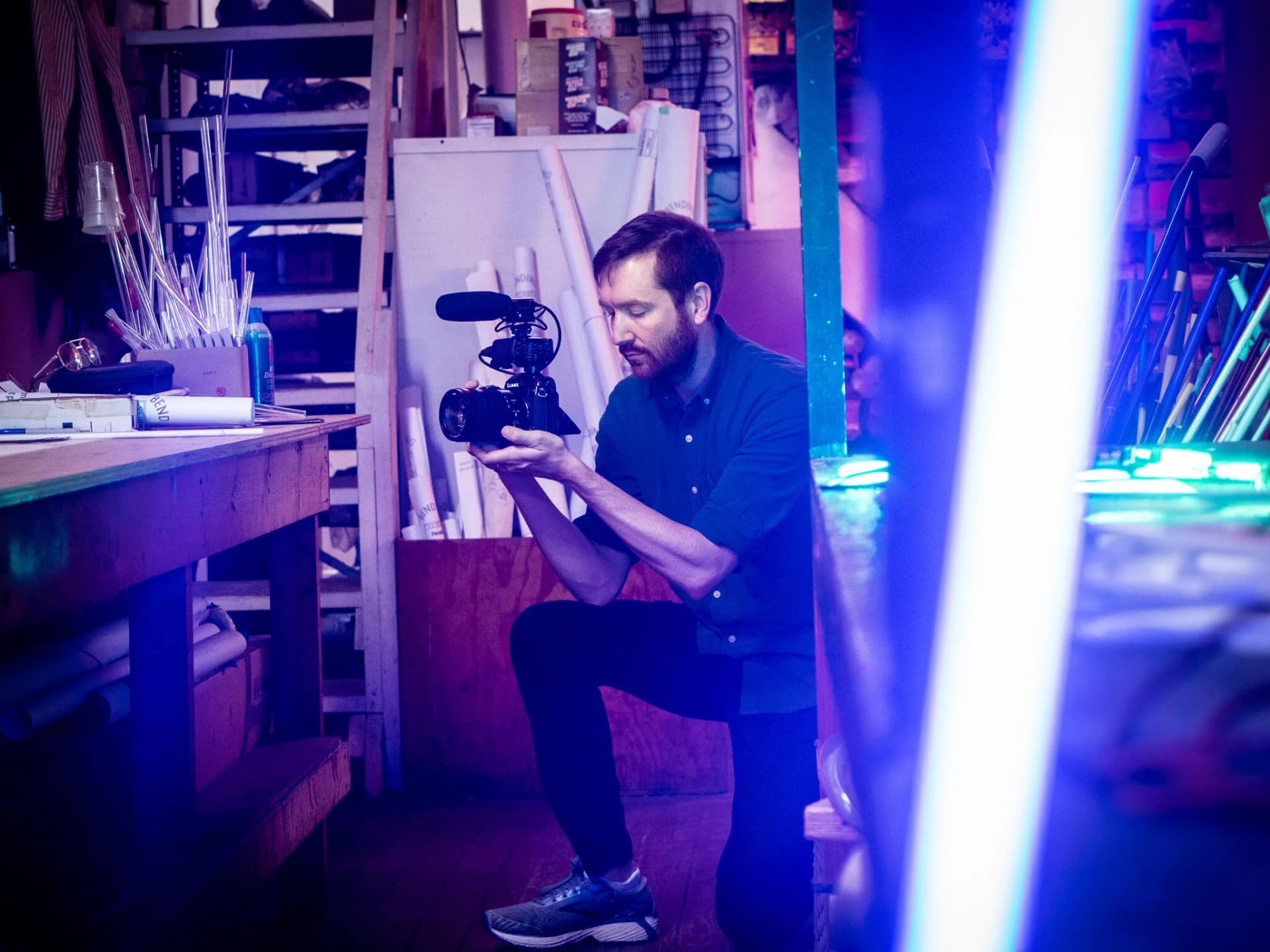
That kind of career is especially relevant now because photography has changed. For years, many people treated the camera world as a world of objects. Better lens. Bigger sensor. New body. More dynamic range. Better low light. The culture often rewarded the appearance of seriousness. But the internet slowly changed the standard. Today, people still care about image quality, but they care even more about whether the image does something. Does it teach clearly. Does it travel well across platforms. Does it hold attention. Does it explain a person, a place, or a process in a way that another image could not. Useful photography is not lower art. In many cases, it is the harder art, because it has to survive contact with the real world.
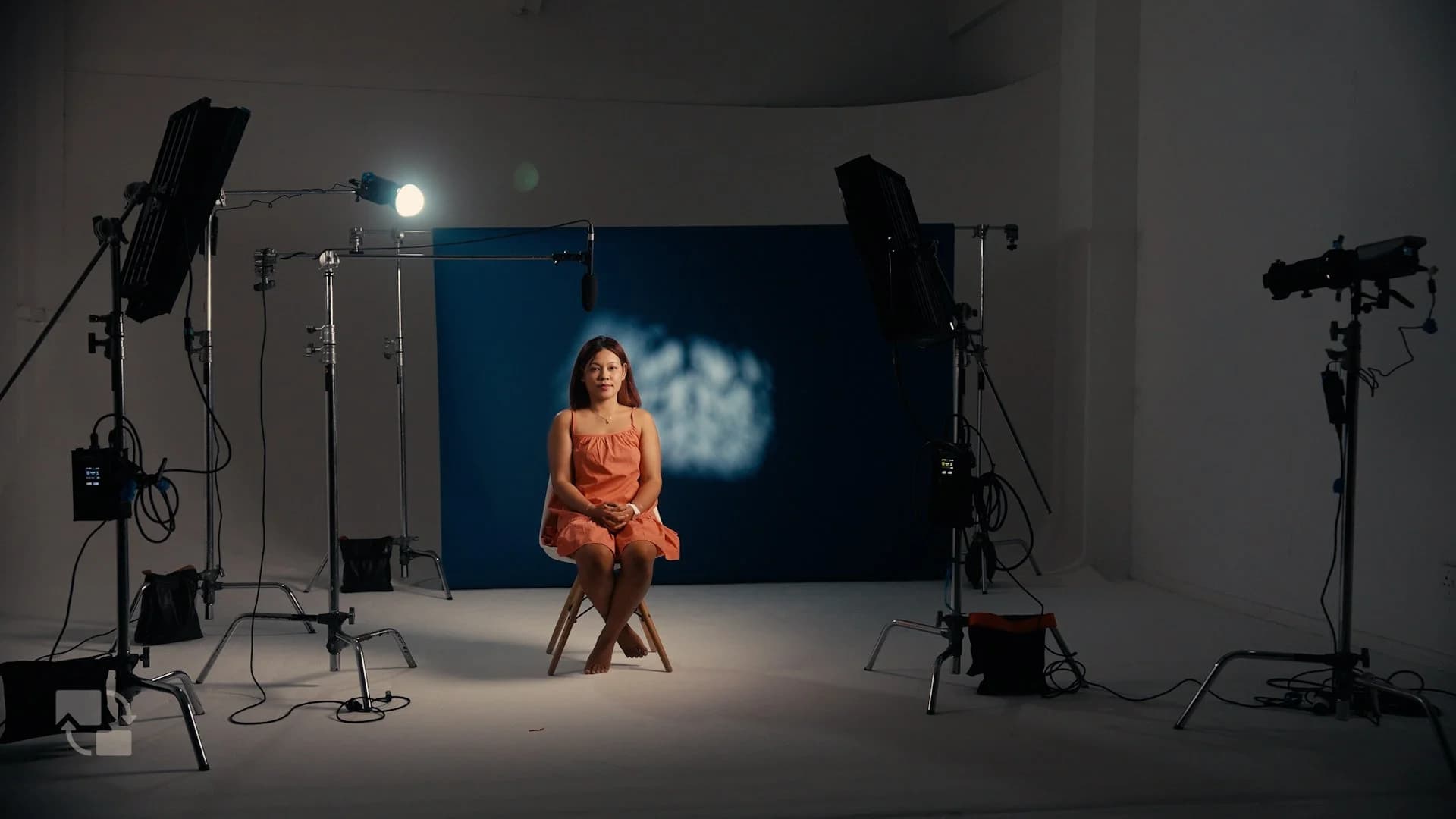
Hammond’s work points directly at that shift. Even when he talks about cameras, he usually talks like someone who is trying to remove friction from the creative process. On his site, he points people toward gear lists, classes, and documentary methods. On YouTube, his tutorials often focus on real production questions such as interview setups, documentary structure, and how to make practical choices with limited resources. The message is consistent. The camera is not the main character. The work is.
This is one reason his work fits so naturally into the history of Indy Mogul. That brand became important because it made filmmaking feel possible. It lowered the emotional cost of starting. It made people feel that resourcefulness could matter as much as budget. Hammond’s connection to that world was never just a line on a resume. It matched his actual sensibility. He understands that visual education on the internet works best when it replaces intimidation with clarity. The creator is not there to impress the viewer from a distance. The creator is there to bring the viewer closer to the process.
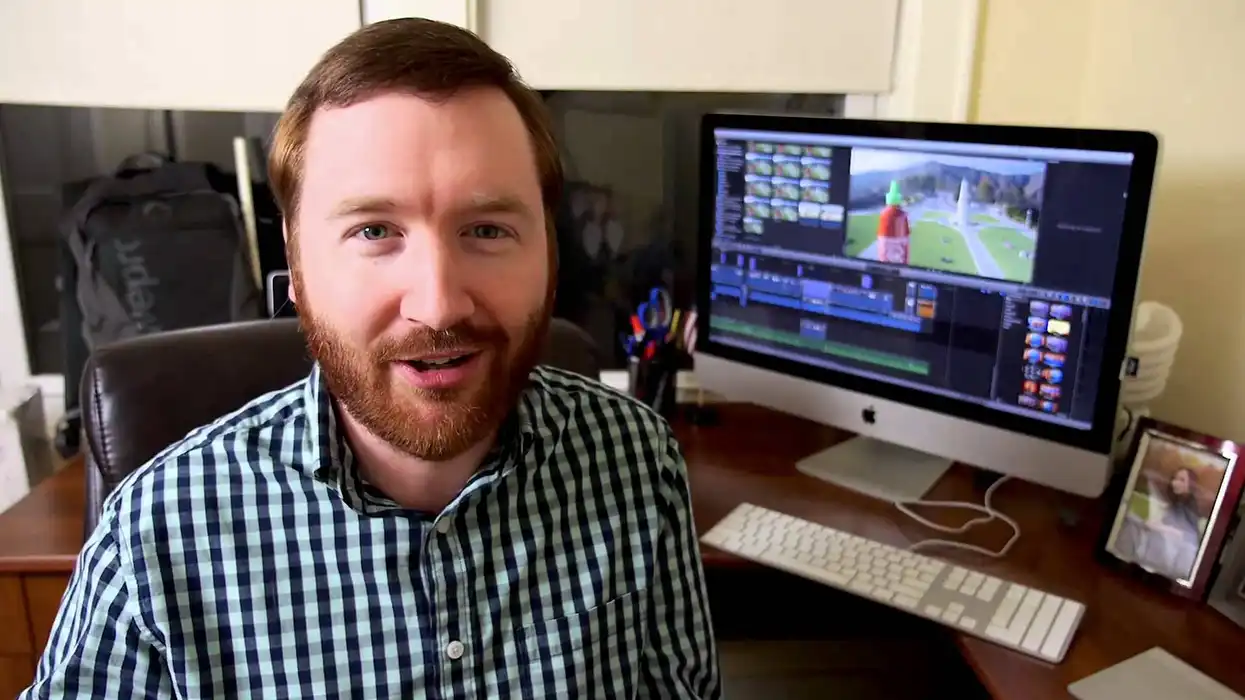
That approach also explains why his documentary work resonates. Sriracha was not a giant celebrity subject or a prestige topic. It was a film about something ordinary that people thought they already understood. That is often where strong documentary instincts begin. Not with the biggest possible subject, but with the decision to look carefully at something that already exists in daily life. A hot sauce bottle becomes a way to talk about business, culture, people, and obsession. Hammond’s work suggests that documentary seeing is less about chasing spectacle and more about recognizing where meaning already lives.
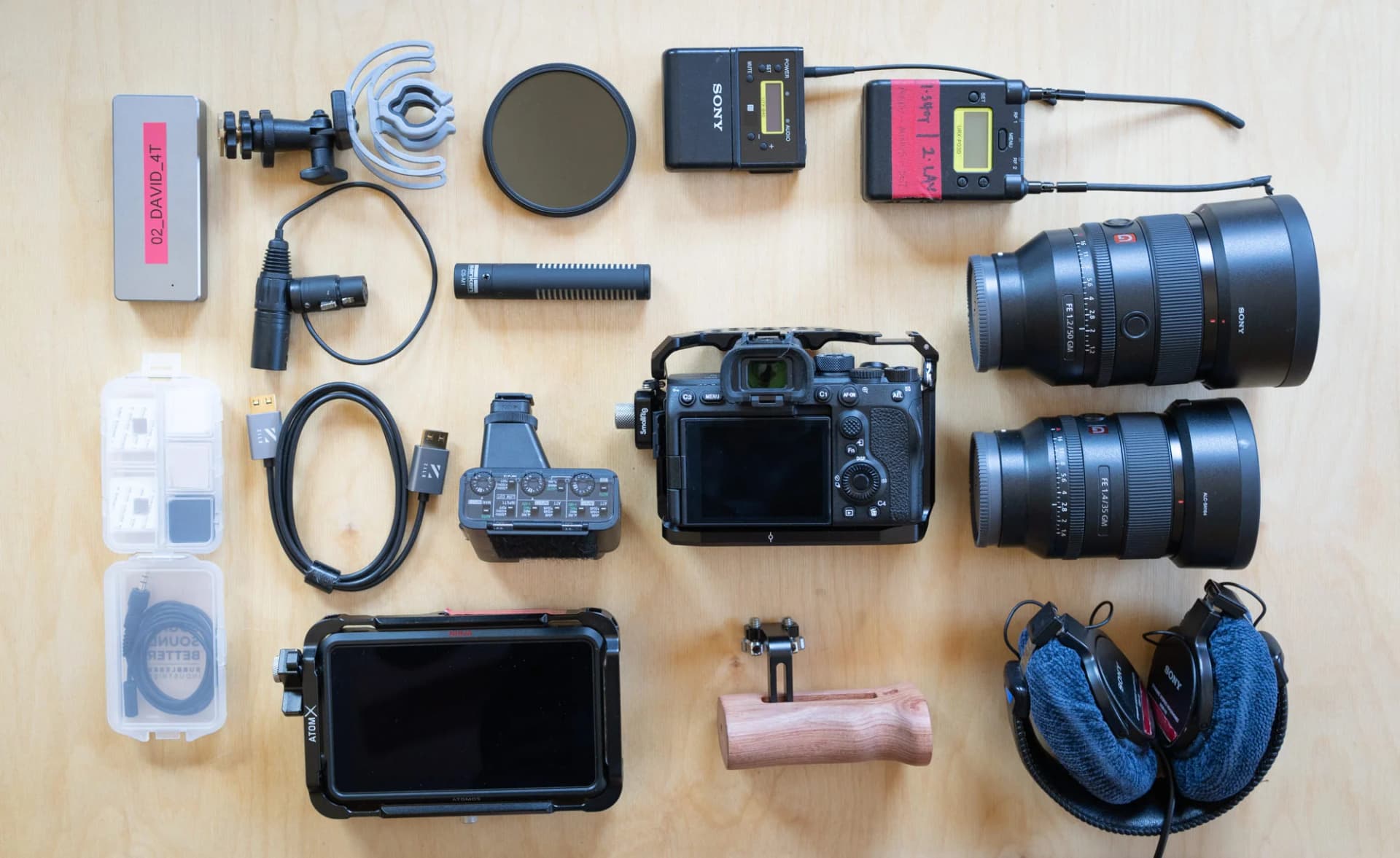
There is also something else going on in his career that deserves more attention. He represents a type of modern visual creator who does not wait for permission from one institution. He has worked with newsrooms, platforms, brands, education, and his own channels. He teaches. He publishes. He experiments. He builds direct audience relationships through email and online video. On his own site, he invites people into classes, shares gear, and maintains a direct connection with his audience. That reflects a major change in photography and filmmaking culture. The modern creator is not only a maker of images. He is also a publisher, teacher, distributor, and operator.
This is where Hammond becomes especially interesting for a photography magazine. He is not just a person with a style. He is a person whose career helps explain the new economics of attention. Many photographers still think the work ends when the image is made. In practice, that is only the middle of the process. The work then has to be framed, distributed, explained, and matched to the audience that will care about it. Hammond appears to understand that better than most. His career has moved across platforms because he understands that story and distribution are no longer separate crafts. They are part of the same job.
Even the smaller details in his public profile support this reading. He has taught workshops in multiple countries, built educational products, and continued to make work that moves between personal interest and public instruction. One of his stories about the Chicago Marathon reached hundreds of thousands of viewers on TikTok. That is not just a number. It is evidence of fluency. He knows how to shape a story for the internet without flattening it into shallow content. That is a valuable skill, and a rare one.
It would be easy to describe Griffin Hammond as a useful creator and stop there. But that would miss the point. Usefulness, in this context, is not a small ambition. It is a demanding one. To make useful visual work, you need taste, but also discipline. You need technical skill, but also restraint. You need to understand not only how to make something look good, but why someone would care enough to keep watching. That challenge is becoming central to photography and filmmaking now. There is too much content, too much gear talk, too much empty polish. What lasts is work that earns its place.

That is why Hammond makes for a strong subject. His career offers a quiet argument against empty image culture. He reminds us that photography and filmmaking do not become meaningful only when they become big, expensive, or cinematic in the obvious sense. They become meaningful when they carry information well, emotion well, and attention well. They become meaningful when they help people see something more clearly than they did before.
In that sense, Griffin Hammond is not just an internet era filmmaker who learned how to teach. He is an example of what visual storytellers now need to be. Flexible. Clear. Technically strong. Editorially smart. Comfortable with both craft and distribution. Less interested in the romance of gear, more interested in the results of using it well.
That may be the strongest reason to pay attention to him. In a culture that often confuses more equipment with more vision, Griffin Hammond has spent years making the opposite case. The image matters. The tools matter. But what matters most is whether the work does its job. And in the long run, that may be the most modern idea in photography.
Know something we missed? Have a correction or additional information?
Submit a Tip

