Independent audit finds no security basis for restricting DJI in the U.S.
An independent U.S. security audit found no reason to block DJI, but it did not erase the policy risk hanging over drone buyers.
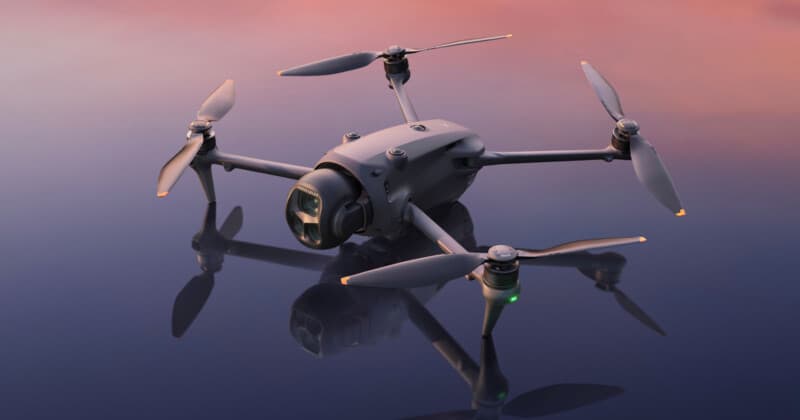
A fresh security audit gave DJI a rare lift in the U.S. market, but it did not deliver the kind of certainty that makes someone click buy without thinking twice. The assessment found no security-related reason to block DJI products from being sold in the United States, yet that leaves the harder question untouched for photographers and drone pilots: whether Washington will treat the company like a trusted toolmaker or a lingering risk.
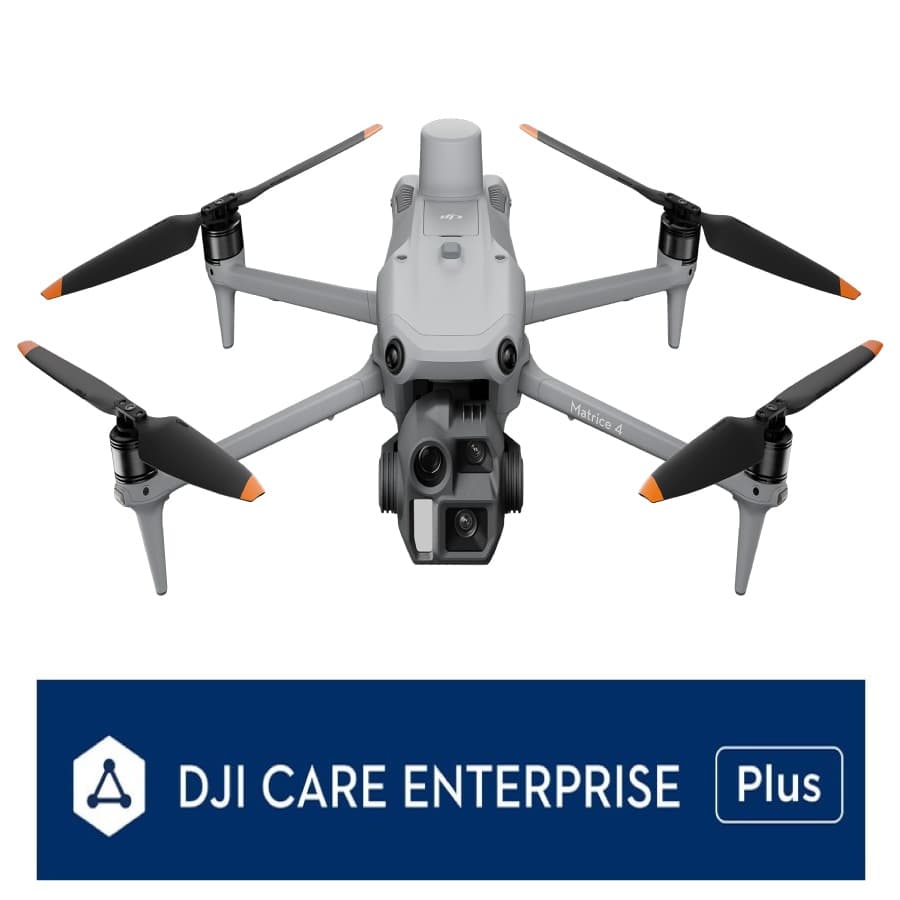
The review was carried out by OnDefend, a U.S.-based cybersecurity firm, and it tested a DJI Air 3S with the RC 2 controller and a Matrice 4E with the RC Plus 2 Enterprise controller. OnDefend said it used advanced adversarial testing across software, hardware, and radio-frequency domains, and the units were bought independently from retailers and dealers rather than handed over by DJI. That matters in a hobby where buyers care deeply about gear credibility, because the source of the sample can shape how much weight the conclusion carries.
DJI also encouraged OnDefend to conduct the audit independently, even while it promoted the result aggressively. For aerial shooters, that distinction is important. The report strengthens DJI’s argument that its drones are not automatically a security problem, but it does not settle the broader fight over whether the U.S. should keep scrutinizing the company as a national-security concern.
That unresolved gap is where buying confidence lives or dies. DJI drones are not niche toys anymore. They are fixtures in aerial photography, filmmaking, surveying, and public-safety work, which means any restriction would ripple far beyond hobby shelves. A favorable audit may reduce some pressure on DJI’s U.S. market access, but it does not guarantee policy stability, and it does not answer the practical question every buyer asks before spending serious money: will this drone still be easy to buy, maintain, and replace six months or a year from now?
The report also leaves app and support uncertainty in place. Even if the hardware clears a security review, creators still have to think about the software stack around it, the continuity of updates, and the service ecosystem that keeps a drone useful after the first flight. That is why this kind of finding can feel both reassuring and incomplete. It helps DJI’s case, but for U.S. photographers weighing a purchase, it still looks less like the end of the debate than a brief clearing in the weather.
This article was produced by Prism’s automated news system from verified source data, official records, and press releases, then run through automated quality and moderation checks before publishing. The system is built and supervised by the people who set the standards it runs under. Read our full AI policy.
Did this article answer your question?