India’s tiger reserves restrict phones amid safari crowding fears
India’s tiger reserves are cracking down on phones after safari crowding turned sightings into traffic jams, and the animal is now being protected from the upload.
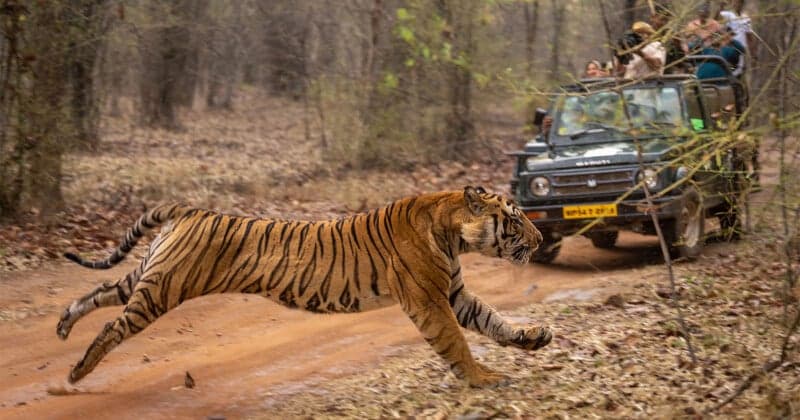
The camera phone has become part of the problem in India’s tiger country. In core safari zones, reserves are moving to make visitors store their phones or keep them switched off and packed away, a blunt response to the way wildlife photography has started to look less like observation and more like disruption.
The shift builds on a Supreme Court of India ruling that went beyond one reserve or one state. The court prohibited mobile phones within tourism zones at the core habitat of tiger reserves, ordered a complete ban on night tourism, and said ecotourism should not start resembling mass tourism. That is the real tension here: not whether people are allowed to take pictures, but whether the hunt for a post has begun to crowd out the animal itself.
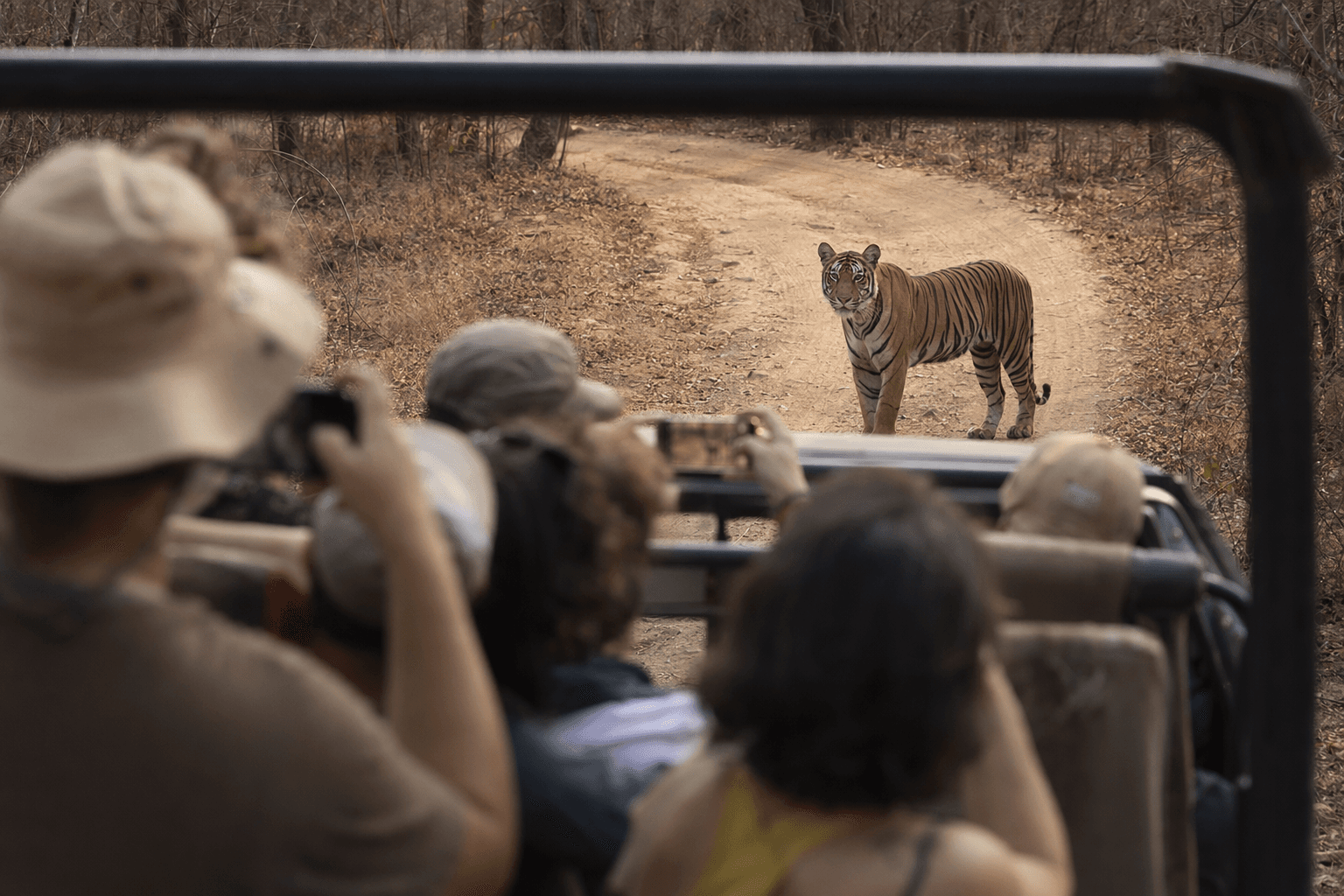
Maharashtra was among the first states to turn that logic into operating rules. After vehicles blocked tigress F2 and her five cubs in a Vidarbha reserve on December 31, 2024, the forest department told the Bombay High Court in January 2025 that it had framed new standard operating procedures for tourist conduct. Those rules included a ban on mobile phones during jungle safaris, with the first rollout planned for Bor, Pench, Umrer-Paoni-Karhandla and similar sanctuaries.
Uttar Pradesh followed with its own hard line. Dudhwa Tiger Reserve issued a mobile-phone ban on February 7, 2026, covering the national park, Kishanpur Wildlife Sanctuary and Katarniaghat Wildlife Sanctuary. Pilibhit Tiger Reserve announced a complete ban the next day. Those moves were tied to the 2025 Supreme Court directive and guidance from the National Tiger Conservation Authority, which is the statutory body under the Wildlife (Protection) Act, 1972.
The pressure to act sharpened after the Ranthambore National Park video that went viral on February 23, 2026. In the footage, multiple safari vehicles boxed in a tiger’s path, tourists shouted and filmed, and the animal appeared visibly stressed as it tried to move back toward the forest. Wildlife officials and conservation voices called it a safari jam, a perfect example of how instant messages, real-time sighting alerts and geotagged posts can funnel too many vehicles into the same place at once.
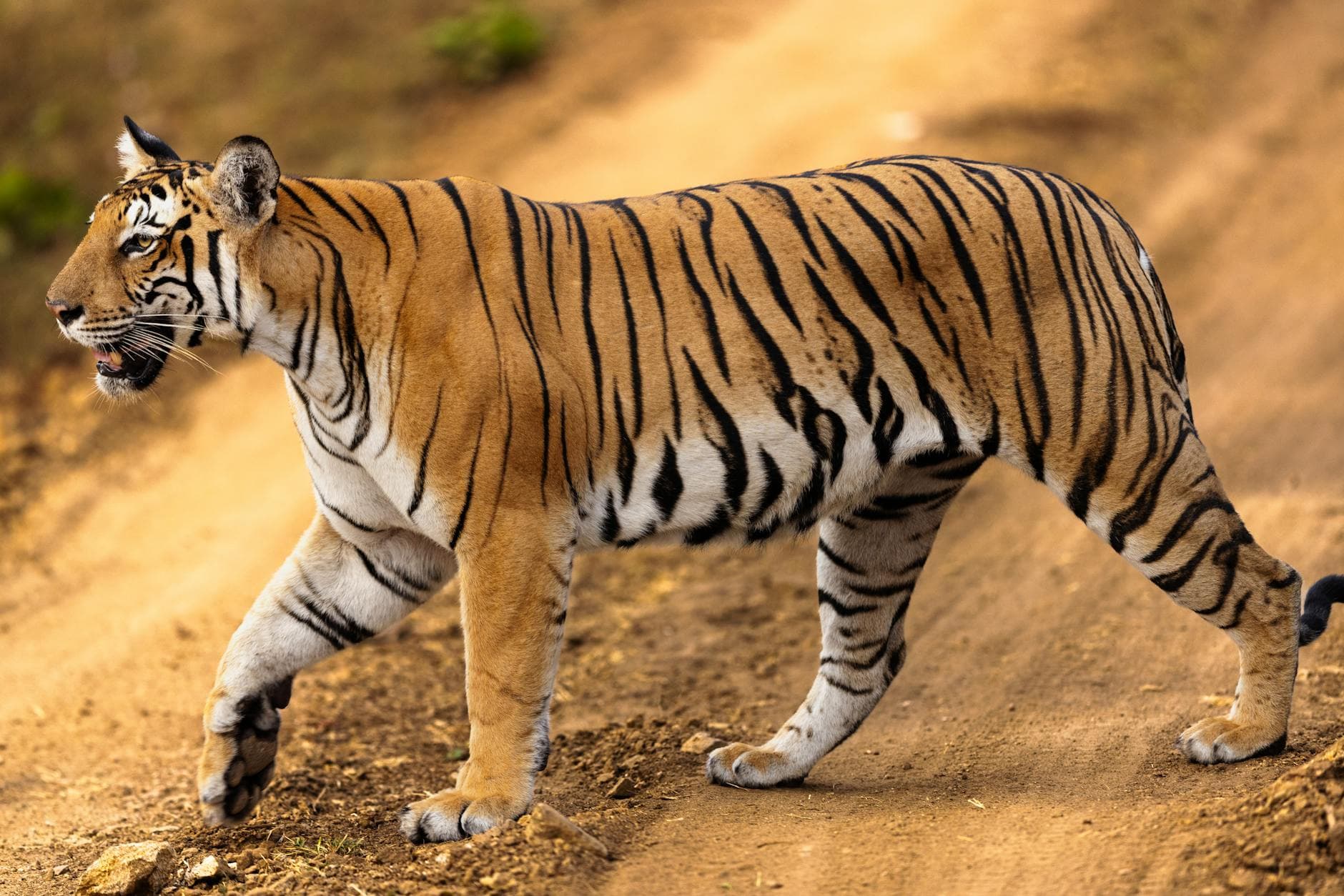
That is why this crackdown matters to photographers. India’s tiger system is built around protection, not performance. Project Tiger now supports 55 reserves across 18 states, and the 2022 tiger estimate counted 3,682 animals, with more than three-quarters inside protected areas. In that kind of habitat, the best wildlife frame is still the one that does not push the animal, the convoy, or the reserve any closer to collapse.
Know something we missed? Have a correction or additional information?
Submit a Tip