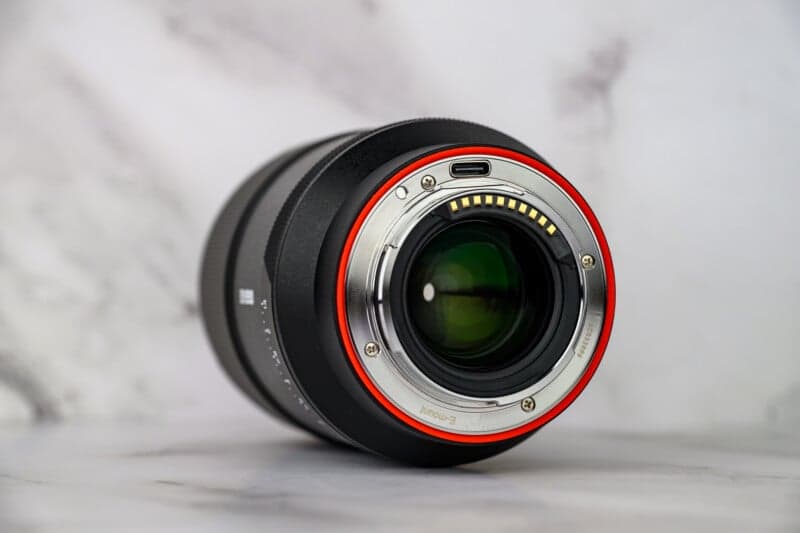
Insta360 hints at interchangeable-lens camera future in Wetzlar
In Leica's hometown, Insta360 left the door open to an interchangeable-lens camera, turning a gimbal launch into a market signal for stills shooters.
In the shadow of Leica’s home town, Insta360 used the launch of the Luna Ultra to do more than show a new camera. Co-founder Max Richter spoke about “more” coming in traditional photography, and the company did not shut down the idea that it could be working on an interchangeable-lens camera. For photographers, that matters because it points to a brand built on compact, creator-first gear testing the waters far beyond 360 video.
The setting added weight to the message. The event took place in Wetzlar, Germany, the birthplace of the Leica I in 1925, and Leica marked 100 years of Leica celebrations there in June 2025. That put Insta360’s comments in a city tied to one of the most important names in camera history, and it made the company’s broadening ambitions feel less like speculation and more like a strategic move into a more traditional stills market.
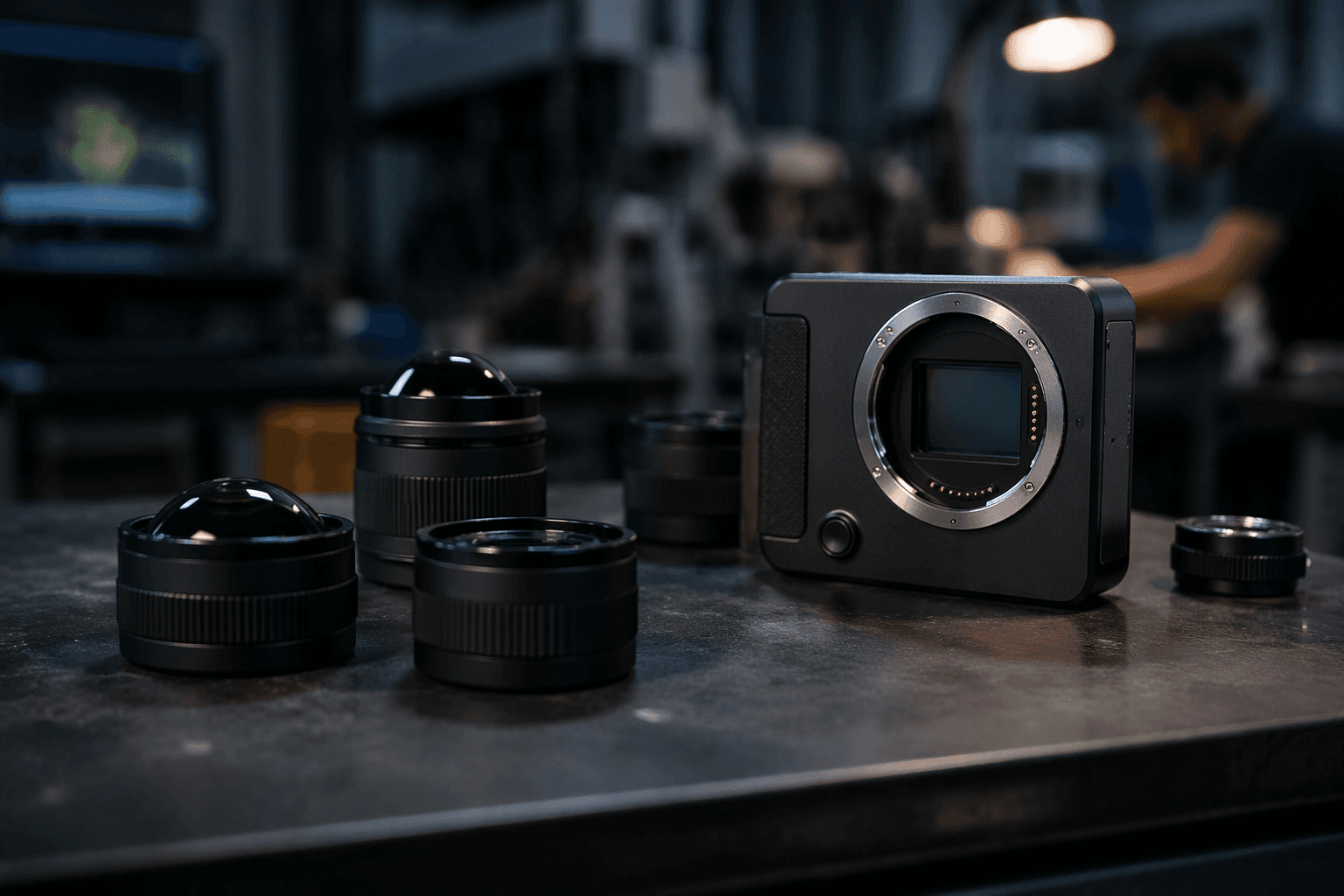
Insta360 already has the kind of product mix that could translate into that space. The company says it was founded in 2015 and now describes itself as the world’s leading 360 camera brand. Its lineup also includes action cameras, AI-powered gimbals and Leica co-engineered products such as the Ace Pro. That ecosystem gives Insta360 a familiar path into an interchangeable-lens body, or another adjacent stills category, without having to invent a new identity from scratch.
The Luna Ultra itself reinforces that direction. Recent reporting described it as a compact gimbal camera developed with Leica, with a 1-inch sensor, an f/1.8 main lens and 8K recording. Even before any ILC is publicly confirmed, that kind of hardware pushes Insta360 closer to the territory occupied by compact cameras, hybrid devices and creator cameras, where image quality, stabilization and portable handling often matter as much as raw specs.
For buyers, the pressure point is clear. A company that already knows how to build pocketable imaging gear, app-driven workflows and AI-assisted tracking could bring those ideas into a stills camera faster than more traditional rivals expect. Features such as live remote screens, modular controls, strong autofocus aids and compact bodies could start moving from action cams into mainstream photo gear, while the price conversation gets sharper across the entry and midrange segments.
In Wetzlar, Insta360 did not announce a lens mount. It did something nearly as revealing: it made it clear that 360 cameras are no longer the whole story, and that the next fight may be in the part of photography Leica helped define a century ago.
This article was produced by Prism’s automated news system from verified source data, official records, and press releases, then run through automated quality and moderation checks before publishing. The system is built and supervised by the people who set the standards it runs under. Read our full AI policy.
Did this article answer your question?