Keymera turns the keychain camera into a DIY photo project
A 3D-printable keychain camera turns pocket snapshots into a one-hour build, with a no-app workflow and a 3-megapixel sensor.
A keychain camera you actually build
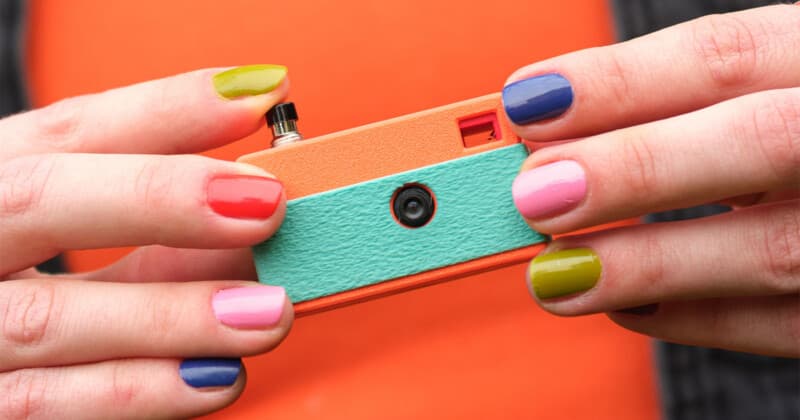
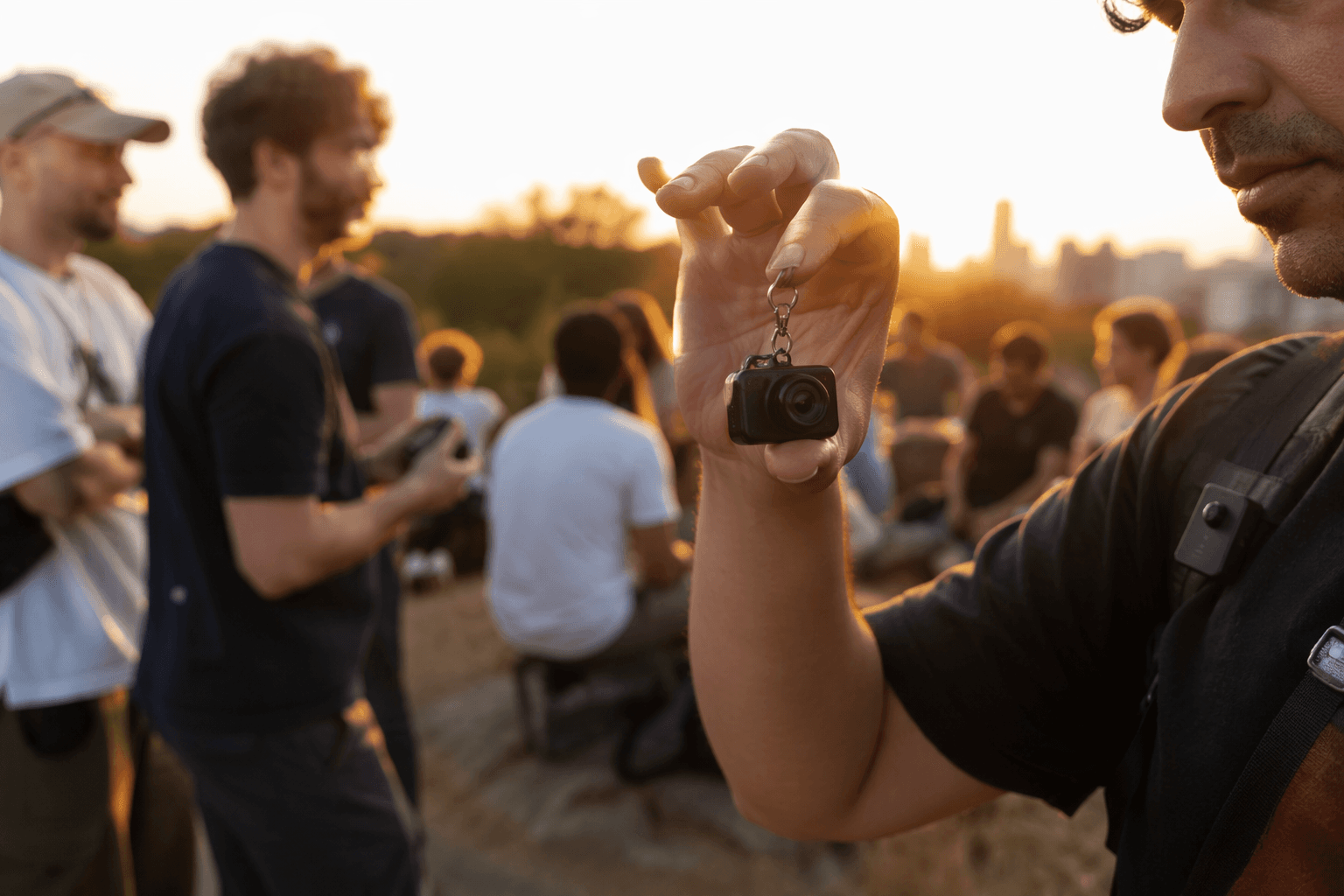
The Keymera takes the keychain camera craze and points it straight at the maker bench. Instead of buying another pocket novelty, you print the body, solder in the electronics, and end up with a camera that clips to keys, a bag, a belt loop, or a jacket pocket for quick photos when something worth catching suddenly appears.
That DIY angle is doing real work here. Maker World’s campaign has already climbed to $2,684, or 179% funded, with 95 backers and 27 days left, and it is set to end on June 18, 2026 at 13:01:44 UTC. The project opened with a modest $1,500 goal, but the response shows there is a growing audience for small cameras that feel like a build, not just a purchase.
What the Keymera is built to do
The hardware is intentionally stripped back. The camera uses five printed parts and four electronic components, including a 3-megapixel sensor, and Maker World says the whole thing takes about one hour to print and about one hour to assemble. The build is designed for beginners, with only a basic soldering iron needed and no advanced tool kit required.
That simplicity is the point. The Keymera is not trying to compete with polished digital gear on specs, burst speed, or computational tricks. It is built around a fixed sensor, fixed firmware, and a shooting experience that starts with a single shutter press, stores the shot, and then lets you browse images over Wi-Fi through the phone’s file browser instead of forcing you into a proprietary app.
For photographers, that changes the feel of the camera more than the numbers on the box. There is no required account and no metadata-harvesting requirement just to look at your own pictures. In a period when phones keep adding more AI features, more automation, and more data collection, the Keymera leans into a cleaner and more deliberate way of making images.
Why this maker project feels different from polished gear
The strongest appeal here is not image quality in the usual sense. It is the pleasure of making a camera, understanding how it works, and carrying something that feels earned rather than bought off a shelf. That matters in a photography culture where a lot of devices arrive overdesigned, overconnected, and increasingly abstracted away from the act of taking a picture.
The Keymera answers that by keeping the photographic experience direct and a little rough around the edges. You get a 3-megapixel file, a simple build, and a camera that behaves more like an object you assembled for a purpose than a mini-computer pretending to be a camera. For readers who miss the tactile satisfaction of a compact camera with a personality, that is a real draw.
There is also a practical pleasure in the constraints. A fixed sensor and fixed firmware force the camera into a specific look, and the whole project is built around immediacy rather than endless tweaking. If the goal is to pull a camera off your keys, catch a moment, and accept whatever charm the file has, the Keymera makes sense in a way that a more powerful device often does not.
The shell designs, and what the stretch goals add
The project already includes three shell styles: an SLR-inspired body, a rangefinder-like version, and a playful instant-camera look. That gives the Keymera a visual identity before you ever press the shutter, which is part of why it fits so naturally into the current compact-camera revival. The project also has a possible fourth design if the TLR-style stretch goal is reached.
That TLR shell matters because it pushes the camera even further into the realm of photo culture as craft. A twin-lens reflex look would not just change the silhouette; it would reinforce the idea that this is a camera you build for the pleasure of the form as much as the function. The companion phone app is also on the stretch-goal list, but the current experience is already defined by its no-app, file-browser-first approach.
Where the Keymera sits in the keychain camera boom
The Keymera is arriving in a niche that has gone from curiosity to visible category in a matter of months. Kodak launched the Charmera in September 2025 as a blind-box keychain digital camera with seven color variations, explicitly framing it as a charm-and-camera hybrid for bags and quick street snapshots. PetaPixel reported that Kodak said the Charmera sold out in 24 hours and moved 10 times more units than expected.
By January 2026, that same Charmera had become one of the biggest photo gifts of the holidays, with PetaPixel describing it as a 1.6-megapixel retro-styled toy camera. Kodak’s own product page says it is meant for street scenes, party highlights, and selfies, and that it is manufactured and sold by RETO Production Ltd.
The boom did not stop at one branded release. PetaPixel later reported that keychain cameras were quickly spawning knockoffs and imitators, including the Magecam Thumb Keychain Camera. That is the clearest sign that this is no longer just a toy trend. It is now a real compact-camera subculture, powered by nostalgia, convenience, and a desire for something smaller, stranger, and more personal than the average smartphone workflow.
Why the charm is part of the picture
The Keymera makes sense because it understands what people are actually chasing in this corner of photography. It is not a feature race. It is the satisfaction of building your own camera, the fun of carrying a tiny object that can genuinely make pictures, and the appeal of seeing what a deliberately limited device does with an ordinary moment.
That is why the project lands harder than a simple gadget story. The camera on its own is modest, but the experience around it is the real product: print it, assemble it, clip it on, and use it as a pocketable reminder that photography can still be hands-on, slightly odd, and wonderfully personal.
This article was produced by Prism’s automated news system from verified source data, official records, and press releases, then run through automated quality and moderation checks before publishing. The system is built and supervised by the people who set the standards it runs under. Read our full AI policy.
Did this article answer your question?