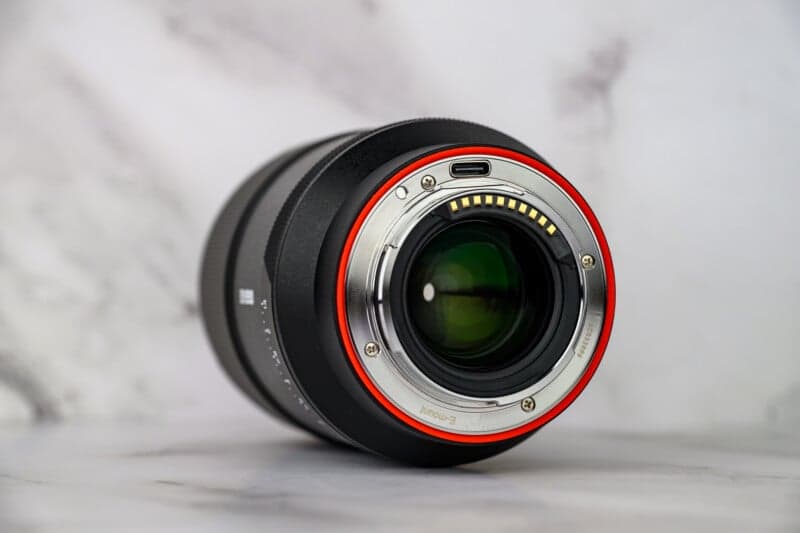
Leica revives classic 100mm macro lens for SL mirrorless cameras
Leica has brought back a 100mm macro legend for the SL system, with 1:1 close-up work and a $2,700 price tied to a 1987 optical pedigree.
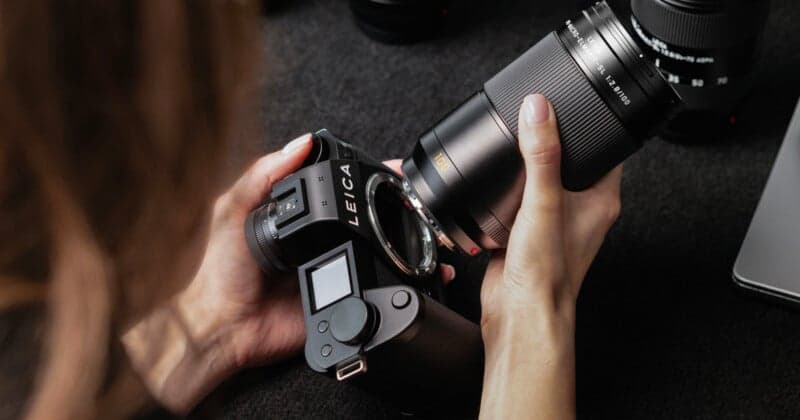
Leica launched the APO-Macro-Elmarit-SL 100 f/2.8 on 25 June 2026, reviving the optical idea behind its Apo-Macro-Elmarit-R 100mm f/2.8 for the SL mirrorless system. The new lens is not being sold as a simple close-up optic. Leica frames it as a bridge between macro and portrait photography, a pitch that matters because the 100mm focal length has long been prized for face-friendly compression, subject separation and controlled background blur.
That heritage carries real weight. Leica Camera Classic describes the Apo-Macro-Elmarit-R 1:2.8/100 mm, introduced in 1987, as one of the best macro lenses ever built for the 35 mm format. The lens still has a second life in the used market, which is part of why this revival lands with more force than a routine refresh. Leica is not just recycling a badge name. It is revisiting one of its most admired R-mount optics for a modern mirrorless body line and betting that photographers will pay for that reputation in glass.
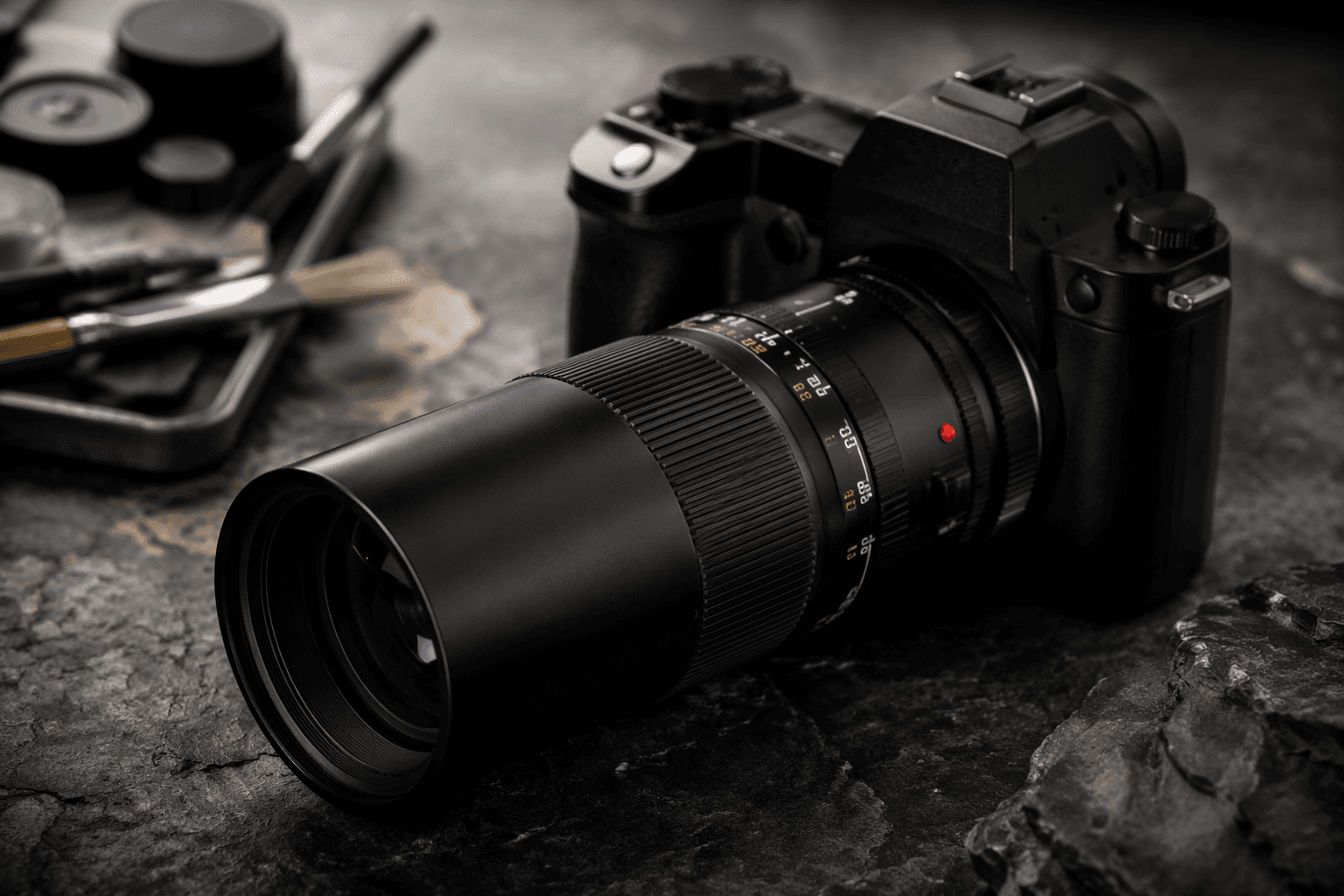
On paper, the SL version is built to justify the move. Leica says it focuses as close as 30 cm and delivers true 1:1 reproduction, so this is a real macro lens, not a near-macro compromise. The optical construction uses 17 elements in 12 groups, with a nine-bladed diaphragm and an aperture range from f/2.8 to f/22. Leica also includes a focus limiter with selectable ranges from 30 cm to 50 cm and from 50 cm to infinity, a practical touch that should help the lens move faster in both macro and portrait work. Physical controls are sparse, with no aperture ring and only an autofocus and manual focus selector, while the camera handles aperture control electronically.
The lens is substantial, which is no surprise for a Leica macro flagship. Leica’s technical data puts it at about 801 grams without the hood and 862 grams with it, with a length of 137 mm without the hood and 187 mm with it, and a diameter of roughly 77 mm without the hood and 82 mm with it. It takes 67 mm filters. Leica priced it at $2,700 and said it will be available from 1 September 2026, placing it firmly in the premium end of the SL lineup. Announced alongside the SL3-P, it also fits Leica’s broader push to expand the SL System, which launched in 2015 on the L-Mount platform.
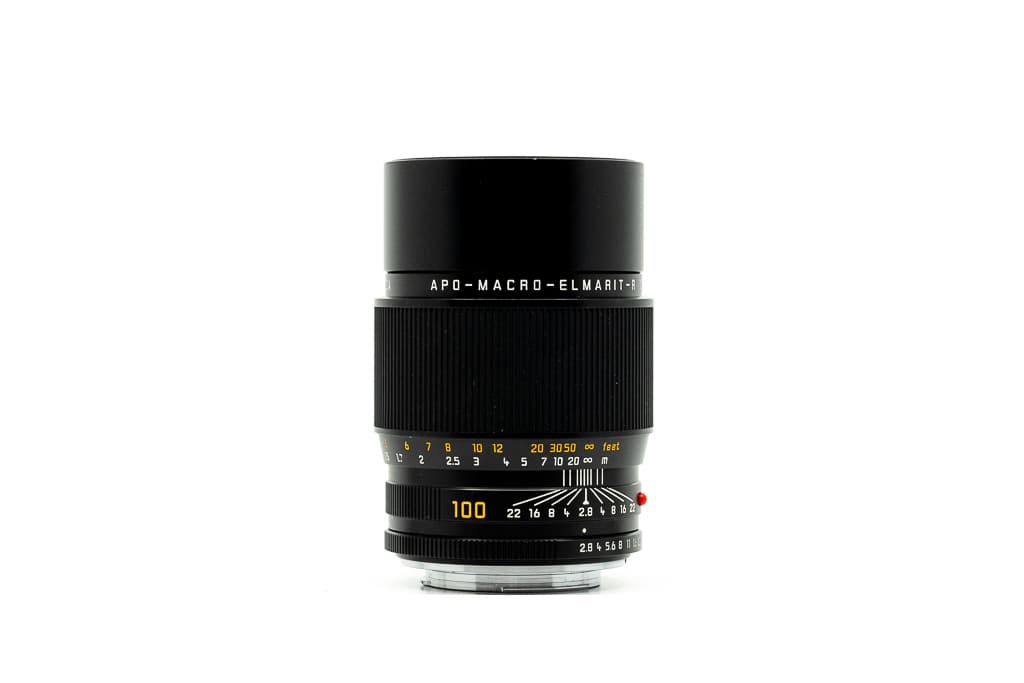
For buyers, the calculation is straightforward. Leica is charging not just for close focusing and apochromatic correction, but for a known optical identity that stretches back to 1987. The original R lens remains a collector’s object; the new SL lens is Leica’s attempt to make that same reputation work in a mirrorless system built for precision, rendering character and long-term lens ownership.
This article was produced by Prism’s automated news system from verified source data, official records, and press releases, then run through automated quality and moderation checks before publishing. The system is built and supervised by the people who set the standards it runs under. Read our full AI policy.
Did this article answer your question?