Minnesota Photojournalist Challenges FAA Drone Restrictions as Impossible to Follow
Minneapolis photojournalist Rob Levine sued the FAA over a drone ban he says makes compliance impossible — you can't check if an unmarked ICE car is nearby before you fly.
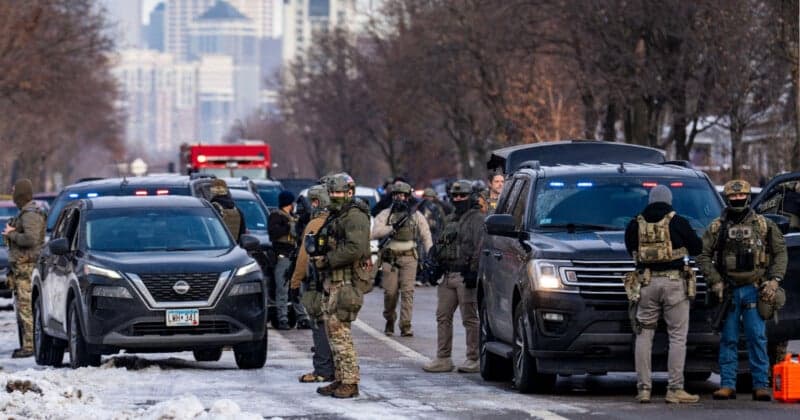
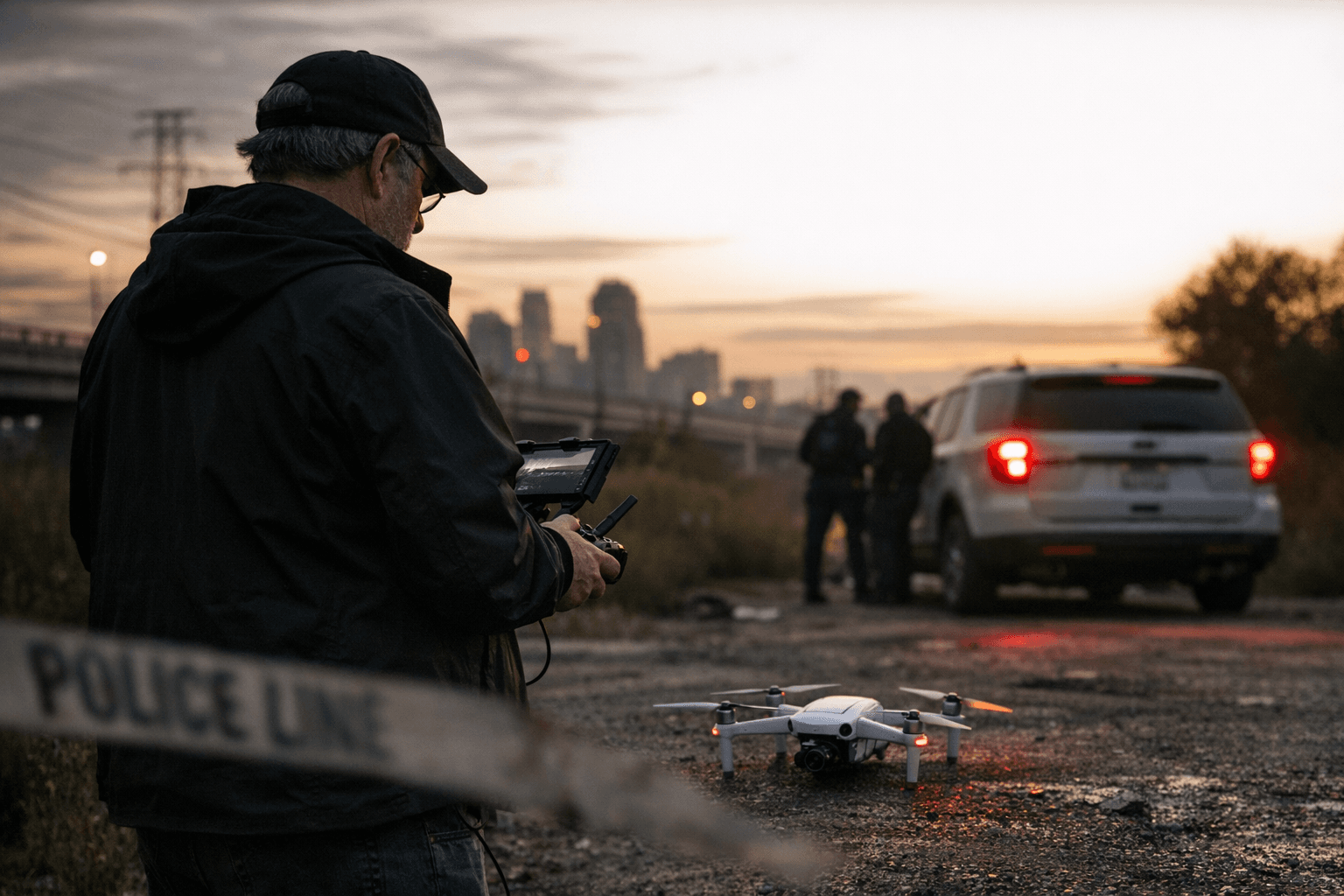
Minneapolis photojournalist Rob Levine filed a petition in the U.S. Court of Appeals for the District of Columbia Circuit on March 16 challenging a nationwide FAA flight restriction that his attorneys say is functionally impossible to obey — because the assets triggering the no-fly zone are often invisible to pilots before takeoff.
The case, Levine v. Federal Aviation Administration, targets NOTAM FDC 6/4375, issued January 16 while Operation Metro Surge was active in Minnesota. The notice bans drone flights within 3,000 lateral feet and 1,000 vertical feet of Department of Defense, Department of Energy, and Department of Homeland Security "facilities and mobile assets, including vessels and ground vehicle convoys and their associated escorts." The petition, filed by attorneys at the Reporters Committee for Freedom of the Press, asks the D.C. Circuit to vacate the restrictions entirely.
The legal theory runs three directions: the restrictions violate the Administrative Procedure Act, are unconstitutionally vague, and have chilled Levine's First Amendment right to gather and photograph news. But the practical argument is where the case gets sharp. Grayson Clary, a staff attorney at the Reporters Committee, put it plainly: "You have no way of knowing in advance before you fire up the drone whether you are within a prohibited distance of, say, an unmarked car that ICE is using for immigration enforcement." He added that the resulting chilling effect on press freedom may have been deliberate: "Which, candidly, I think, is likely what was intended."
For Part 107 pilots trying to do their due diligence, the FAA's own compliance infrastructure hasn't helped. The agency's Safety and Operations Support Center email process, used by licensed drone operators to check restricted airspace, has been returning boilerplate responses that point back to the same planning tools that don't display the restriction — leaving pilots with nothing actionable before they fly.
Levine isn't a newcomer to this particular bureaucratic friction. In 2016, when the FAA locked down airspace over the Standing Rock protests in North Dakota, he was reportedly the only journalist to receive an exemption, giving him sole aerial access to document one of the most significant protest stories of that decade. The stakes under the current rule are considerably higher: drone operators who fly within the restricted zone face criminal charges, civil penalties, and potential permanent revocation of their Part 107 certificates.
The pushback from journalism organizations predates the lawsuit. On January 28, a coalition including the New York Times, the Washington Post, and the National Press Photographers Association sent a letter to the FAA arguing the flight restrictions violate both the First and Fifth Amendments. NPPA President Alex Garcia described the TFR as "a constantly shifting restricted airspace that journalists have no practical way to identify or avoid."
Levine framed his own decision to sue in terms any working photojournalist will recognize: "Drones have helped photojournalists capture powerful perspectives that a reporter on the ground can't. But these restrictions force drone pilots to choose between not gathering the news and risking criminal charges, massive fines, or a career-ending revocation of their right to fly. That's unacceptable."
The Reporters Committee filed before the ACLU, which had reportedly been preparing its own challenge to the same restriction. With the petition now before the D.C. Circuit, the outcome could define how far the federal government can extend no-fly zones around mobile, unmarked assets — and whether photojournalists flying legally certificated drones retain any practical ability to cover federal enforcement operations from the air.
This article was produced by Prism’s automated news system from verified source data, official records, and press releases, then run through automated quality and moderation checks before publishing. The system is built and supervised by the people who set the standards it runs under. Read our full AI policy.
Did this article answer your question?